
Last updated November 15, 2026
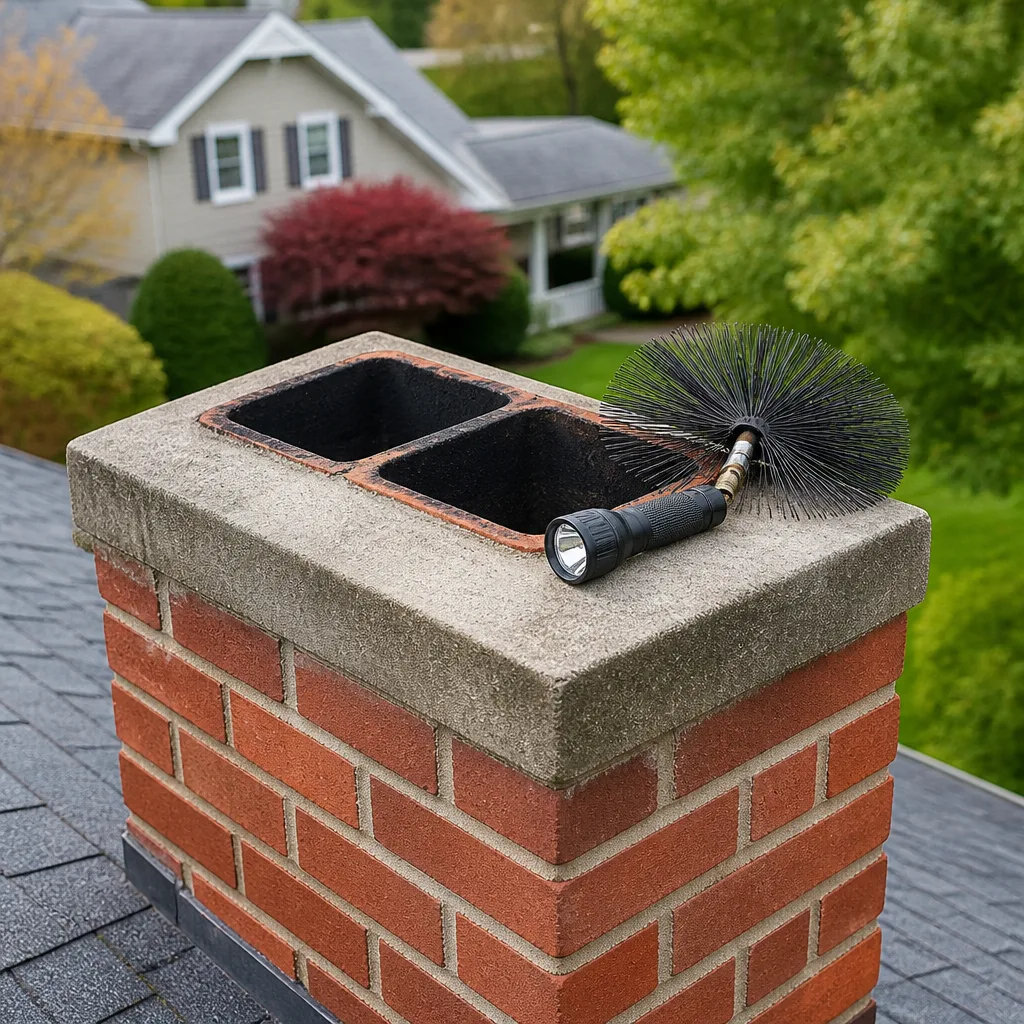 Sweep & inspection
 Caps & crowns
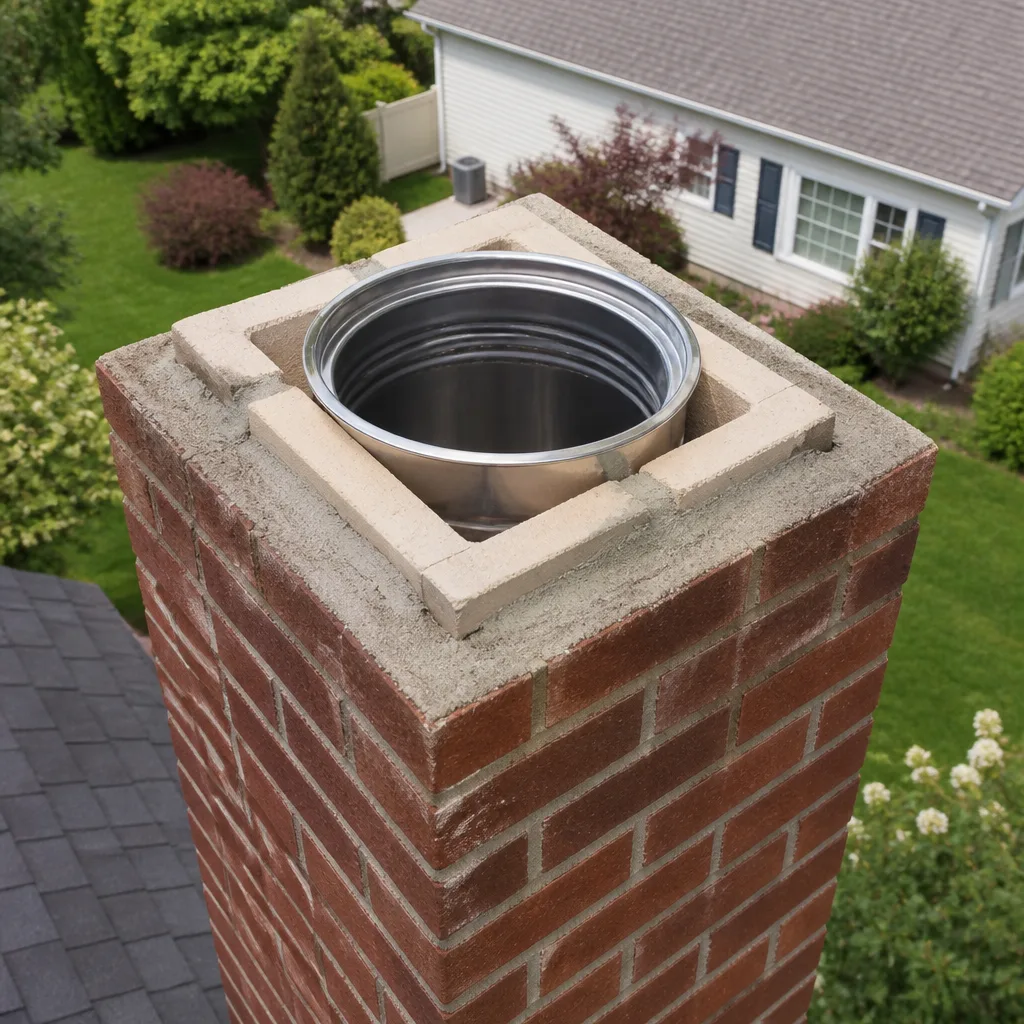 Flue relining
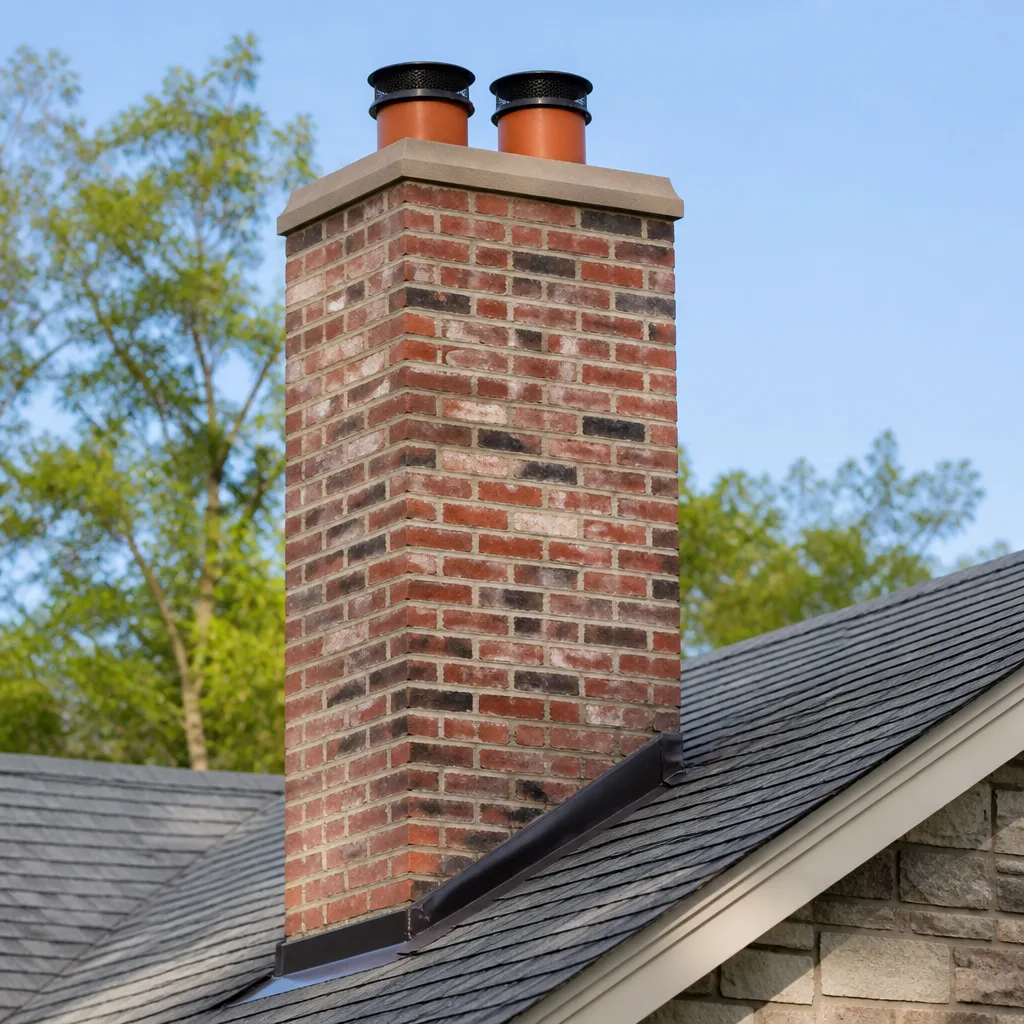 Masonry repair
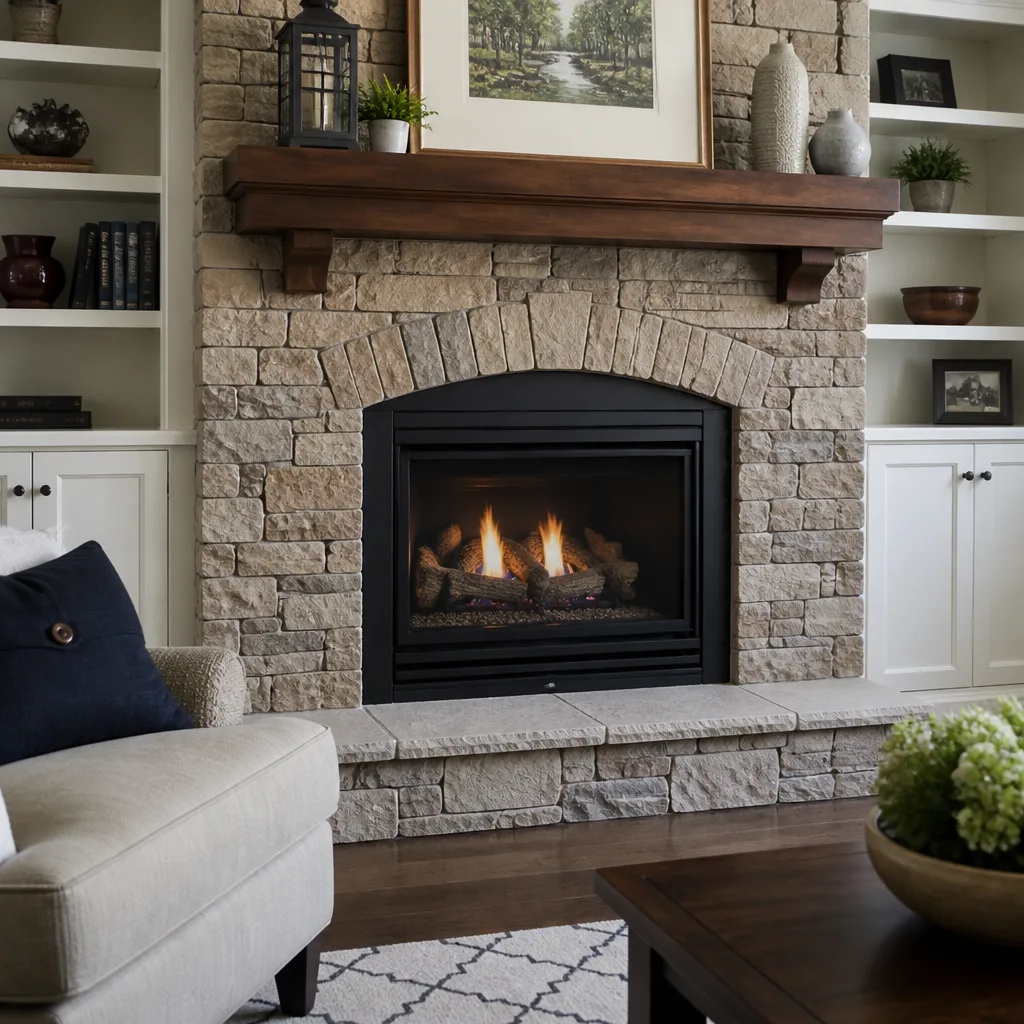 Gas fireplace service
Level 1 sweep and inspection to the NFPA 211 annual standard - flue, crown, cap, and flashing checked and photographed
Chimney sweep logs do not sweep chimneys. They loosen some creosote - which then falls where a brush and vacuum still have to collect it.
Seasonal Chimney Cleaning Care for Columbia: Year-Round Homeowner’s Guide
If you burned wood six times last January and haven’t touched the fireplace since, you have a chimney that’s been sitting with residual creosote and open to summer humidity for nine months. That’s a different risk profile than a fireplace used weekly all winter, and it needs to be treated differently. Columbia’s mild winters don’t divide neatly into a burning season and an off season. Homeowners here light fires in November, January and March with long gaps in between, and that stop-and-start pattern leaves a creosote signature a single annual sweep doesn’t always catch. This guide maps chimney care to how Columbia residents actually use their fireplaces: what intermittent burning does to your flue, what summer humidity does to a dirty one, and when a sweep is genuinely needed versus when it can wait.
Quick Answer
Chimney care in Columbia should follow your burning pattern, not the calendar. If you burn sporadically through a mild winter, plan a post-season sweep in March to clear the soft, sticky creosote that intermittent fires leave behind, then check the cap and damper before summer humidity sets in. If you burn steadily all winter, a pre-season clean in September plus an end-of-season inspection covers you. Either way, every fire you light deposits creosote, and Columbia’s humid summers give that residue months of moisture to work with.
Styles & brands we work with
- Sweep & inspection
- Caps & crowns
- Flue relining
- Masonry repair
- Gas fireplace service
Table of Contents
- Why Columbia’s Mild Winters Change Your Creosote
- What Summer Humidity Does to a Dirty Flue
- Pre-Season vs. Post-Season Cleaning: Which Do You Need?
- Gas Fireplace and Insert Maintenance on a Seasonal Schedule
- Protecting an Unused Chimney Through Storm Season
- Your Dryer Vent Follows the Same Seasonal Logic
- Signs Your Columbia Chimney Needs Attention Now
- How Often Should You Actually Sweep?
Why Columbia’s Mild Winters Change Your Creosote
Creosote forms in three broad types, and which type builds up in your flue depends on how hot your fires burn and how often. Sustained, hot, daily burning tends to produce a drier, flaky deposit. Cooler, smoldering, stop-and-start burning produces the soft, sticky, tar-like creosote that clings to flue walls. Columbia’s winters lean toward the second pattern: a few cold snaps, plenty of mild days, and fires lit for an evening rather than around the clock for months.
That matters for cleaning method, not just cleaning frequency. Soft creosote responds well to a proper brush-and-vacuum sweep. Glazed, hardened deposits need more mechanical work, and in some cases liner resurfacing. If a technician sweeps your flue assuming one type and finds another, the job isn’t done. We assess the deposit type before we brush, because the cleaning approach follows from what’s actually on the walls.
The other Columbia-specific wrinkle is the long gap between fires. A homeowner who lights three fires in December, skips January, then burns a few in February creates a flue with thin, patchy deposits distributed unevenly. Those don’t always get flagged during a quick visual check. A camera inspection shows the real picture, and it’s the reason we don’t sweep by feel. Professional-grade materials from brands technicians actually trust matter here too: a proper flue brush and vacuum setup removes what a generic hardware-store kit leaves behind.
If your pattern is genuinely sporadic, an annual sweep may still be right, but the timing shifts. Rather than a September clean followed by nothing, you’re better served by a spring clean that clears what winter left and an autumn check before the first fire. We can look at your flue in Columbia and tell you which pattern you fall into.
What Summer Humidity Does to a Dirty Flue
Creosote isn’t just a fire hazard. It’s also mildly acidic, and when summer moisture reaches it, the residue becomes corrosive to the flue liner and any metal components it touches. Columbia’s summers are long, warm and humid, which means a dirty flue left alone from March to September gets months of moisture cycling through it. That’s the practical case for cleaning before summer rather than after.
Here’s what the interaction looks like in practice:
- Soft creosote absorbs moisture. The deposit swells, softens further and creeps into seams and joints where it’s harder to reach on the next sweep.
- Corrosive byproducts form. As the creosote and moisture react, the resulting compounds attack the liner surface, especially in a clay-tile flue.
- Masonry absorbs the rest. Moisture wicks into brick and mortar, and repeated wet-dry cycles open hairline cracks that expand over a few seasons.
- Odors return. A dirty flue holds moisture and gives off that sour, smoky smell whenever the air is humid, which in Columbia is most of the summer.
The single best defense is a clean flue before the humid months arrive. The second best is a properly fitted cap that keeps rain out without trapping moisture in. Gelco and Famco caps are built for exactly this: they vent correctly and shed water rather than letting it pool. A cap that’s cracked, loose or missing does the opposite, and it’s one of the most common things we find on a Columbia roof in spring.
If your flue hasn’t been swept in a while and you can smell it on a muggy day, that’s the moisture-and-creosote cycle telling you something. A chimney sweep removes the residue before summer does its work.
Pre-Season vs. Post-Season Cleaning: Which Do You Need?
Most chimney advice assumes a cold-climate burning pattern, where one annual sweep before winter does the job. In Columbia, the right timing depends on how much you actually burn. The usage threshold that matters is roughly this: if you light fewer than about ten fires in a season, a single post-season clean in March is usually enough. If you burn weekly or more through the winter, you need both a September pre-season clean and a spring follow-up.
Here’s how the two differ:
- Pre-season clean (September). Clears anything left from last season and confirms the flue is clear before you light the first fire. This is when we check the cap, damper and liner condition while the weather is still warm enough to work comfortably.
- Post-season clean (March). Removes the creosote your winter fires deposited before summer humidity gets to it. This is the more important of the two for intermittent burners, because the residue is fresh and soft and easier to remove completely.
Which one you need comes down to a few questions. Do you burn more than a few times a month through the cooler months? Is your fireplace wood-burning or gas? Has it been more than a year since the last sweep? Have you noticed any draft problems or smoky smells? Answer those honestly and the schedule falls into place.
Some Columbia homeowners genuinely need neither a September nor a March sweep in a given year. If you burned once and the flue was cleaned the previous spring, there may be nothing meaningful to remove. We’ll tell you that plainly rather than booking work that isn’t warranted. A free estimate and inspection settle it.
Gas Fireplace and Insert Maintenance on a Seasonal Schedule
Gas fireplaces and inserts don’t produce creosote the way wood does, but they still need seasonal attention, and the schedule follows your usage pattern just as a wood-burning flue does. A gas appliance used nightly through a mild Columbia winter accumulates dust, debris and insect activity in the venting, and the vent termination outside can be blocked by nesting material or leaf litter by spring.
What gas maintenance actually involves:
- Annual venting check. Confirms the flue or vent is clear and venting correctly. A partially blocked vent affects combustion and indoor air quality.
- Pilot and burner inspection. Checks that the pilot lights cleanly and the burner flame is even, not lifting or yellow-tipped.
- Glass and log cleaning. Removes the soot film that builds on the glass and the dust that settles on the log set.
- Termination and cap check. Confirms the outside vent is clear and the cap is intact before storm season.
Gas systems are also where we see the most confusion about when to call. A gas fireplace that hasn’t been serviced in a few years may still light and look fine, but the vent could be partially blocked and the combustion less efficient than it should be. Carbon monoxide is the real risk here, and it’s why an annual venting check matters even when the appliance seems to work.
The seasonal logic is the same as wood: clean and check before you start using it in autumn, then verify vent integrity before summer storms. If you’re not sure where your gas appliance stands, we can inspect it as part of a routine visit to your Columbia home.
Protecting an Unused Chimney Through Storm Season
An unused chimney doesn’t stop being exposed to the weather. Through Columbia’s summer storm season, the cap, damper and crown take the brunt, and a small failure in any of them lets water into the flue. Water is the leading cause of preventable chimney damage, and it does its work quietly over months rather than in a single event.
Here’s the walk-around we recommend before and after storm season:
- Check the cap. Look for cracks, rust, loose fasteners or a cap that’s shifted off-center. A cap that’s lost its fit lets rain straight down the flue.
- Inspect the crown. The concrete crown at the top of a masonry chimney should shed water away from the flue. Cracks let it seep in instead.
- Confirm the damper closes. A damper that sticks open lets humid air and insects into the flue all summer.
- Look for water staining. Brown streaks down the outside of the chimney or rust on the firebox interior point to moisture getting in somewhere above.
- After a major storm, look again. Downed limbs, wind-driven rain and pressure changes are the most common causes of sudden cap and crown damage.
A chimney that sits idle through the summer with a cracked cap and an open damper is the worst combination: warm, humid air moving through an uncleaned flue for months. Sealing the damper when the chimney is out of use and confirming the cap is sound closes that loop. Some systems need a top-sealing damper to do it properly, which is a repair, not a maintenance item, and worth knowing about before next summer.
If you’re not sure your cap and damper are holding up, we can check them in a single visit to your Columbia home.
Your Dryer Vent Follows the Same Seasonal Logic
Your chimney isn’t the only vent in the house carrying fire risk. A dryer vent accumulates lint the same way a flue accumulates creosote, and the seasonal logic transfers: if you run the dryer less in summer and the vent sits, lint and moisture settle. If you run it heavily, lint builds faster than you’d expect.
What to check on your dryer vent:
- The lint trap gets cleaned every load. That’s basic, but it’s the first line of defense.
- The vent run gets checked annually. Lint accumulates in the duct, and a long or kinked run traps it more effectively than a short, straight one.
- Outside termination stays clear. A vent flap that’s stuck closed or jammed by debris slows airflow and causes overheating.
- Drying times creeping up means a clog. A dryer that takes noticeably longer to dry a load is telling you the vent is restricted.
The overlap with chimney care is practical: when we clean a flue, we can clean and inspect the dryer vent cleaning in the same visit, which covers two hidden fire-risk systems in a single appointment. It saves the hassle of scheduling a separate contractor and makes sure neither gets forgotten. In our experience, the dryer vent is the one homeowners most often skip because it’s out of sight. In Columbia’s humid climate, a clogged vent also traps moisture, which compounds the buildup.
Signs Your Columbia Chimney Needs Attention Now
Not every chimney problem announces itself. Some do, and knowing the signals saves you a repair later. If any of these are present, it’s worth a call rather than waiting for the next scheduled sweep:
- Smoke in the room when you light a fire. A blocked or partially obstructed flue pushes smoke back into the house.
- A strong smoky smell on humid days. That’s residual creosote holding moisture, and it gets worse the longer it sits.
- A cracking or popping sound during a fire. This can indicate a buildup igniting, and it’s a reason to stop using the fireplace and have it inspected.
- Visible dark staining on the chimney exterior. Points to moisture or a blocked cap.
- Rust or corrosion on the firebox or damper. Water has been getting in, and the liner needs checking.
- Debris in the firebox after a storm. Nesting material, leaves or pieces of cap need to be cleared before you use it again.
A chimney fire risk is the reason these signals matter, but so is carbon monoxide. If you burn gas and notice a headache or drowsiness when the fireplace is running, turn it off and have it checked. Those are the two hazards every recommendation on this page comes back to, and neither is worth waiting on.
The safe thing to do whenever a chimney symptom shows up is to stop using the fireplace and have it looked at. A camera inspection shows what’s actually going on inside the flue, and it means you’re making a decision with evidence rather than guesswork.
How Often Should You Actually Sweep?
Chimney sweeps generally recommend an annual inspection and a sweep whenever the flue has accumulated about an eighth of an inch of creosote, which for most households works out to once a year under regular use. For Columbia’s intermittent burners, that timing flexes. A homeowner who lights a handful of fires each winter may not need a full sweep every year, while someone burning weekly needs one per season at minimum.
A practical schedule for Columbia looks like this:
- Light use (a few fires per season): post-season sweep in March, inspection in September, cap and damper check before summer.
- Regular use (weekly through winter): pre-season sweep in September, post-season sweep in March, camera inspection each time.
- Gas fireplaces: annual venting and burner check before autumn, cap and termination check before storm season.
- Dryer vent: annual cleaning alongside the chimney visit.
The rule of thumb on frequency is that the sweep should match the accumulation, not the calendar. A chimney swept unnecessarily isn’t harmful, but it’s also not the point. The point is keeping creosote and moisture from doing damage through the months your fireplace sits idle. A camera inspection and photo report, included with every sweep, is what lets us confirm the flue is genuinely clear rather than just “probably clean.”
If you’re not sure where your chimney falls on this schedule, a single free estimate at your Columbia home settles it. We’ll tell you plainly when a sweep is due and when it can safely wait.
Common Mistakes to Avoid
- Sweeping only in the fall and skipping spring entirely. In Columbia, the post-season clean is the one that clears creosote before summer humidity gets to it. Fall-only care leaves residue sitting all summer.
- Assuming a gas fireplace needs no maintenance. Gas produces no creosote, but it still needs an annual venting check. A blocked vent affects combustion and indoor air quality.
- Buying a chimney brush and doing it yourself. The tools at a hardware store don’t remove glazed deposits, and brushing without a proper vacuum just spreads soot through the house. Soft creosote responds to a brush; hardened deposits don’t.
- Leaving an unused flue open all summer. An open damper with a dirty flue pulls humid air through for months, and that’s the corrosion cycle at its worst. Close the damper and check the cap.
- Ignoring the dryer vent because it’s out of sight. Lint accumulates quietly, and a restricted vent slows drying and creates a fire risk. It’s the maintenance most Columbia homeowners skip.
- Waiting for visible symptoms before calling anyone. By the time there’s water staining or smoke in the room, the flue has usually been a problem for a while. A camera inspection catches it earlier.
- Assuming a cracked crown or cap can wait one more season. Water damage compounds, and a small crack today is a masonry repair in a year or two.
See the difference
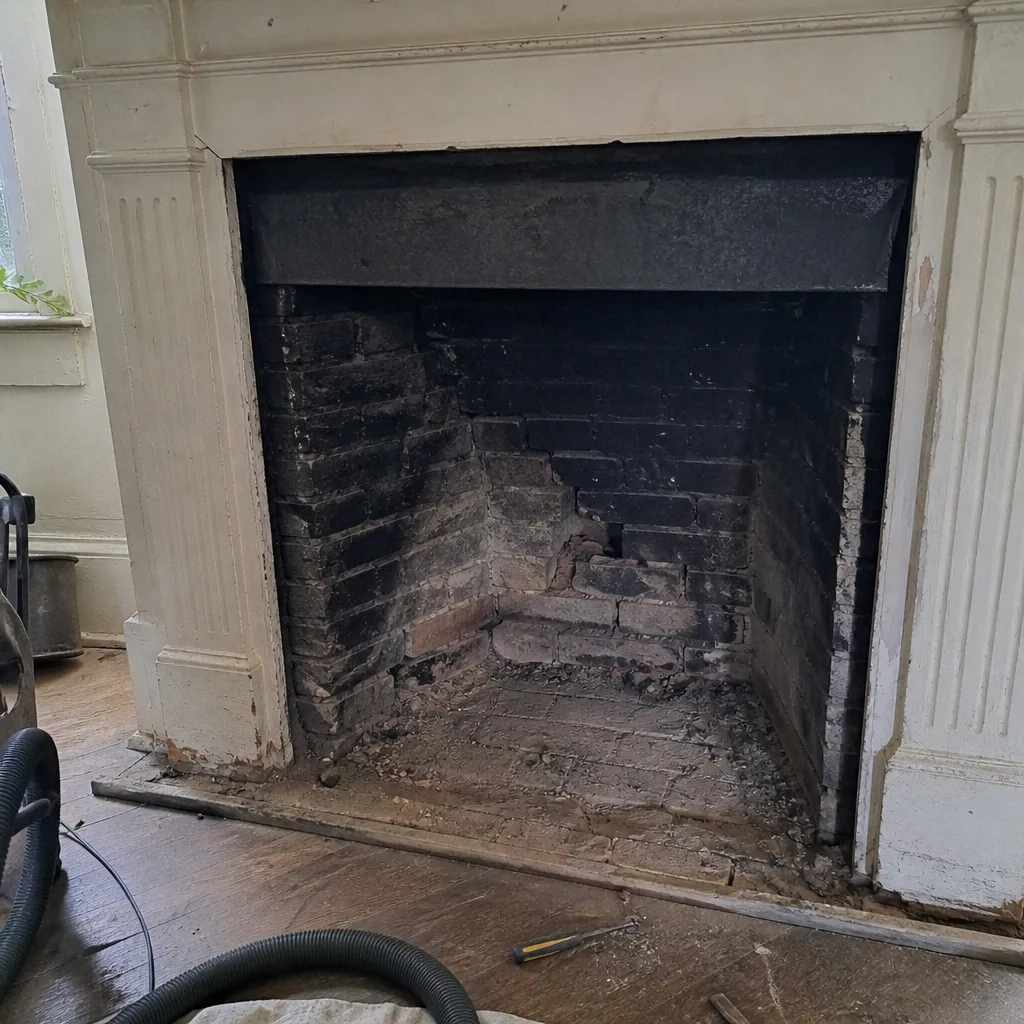 Before
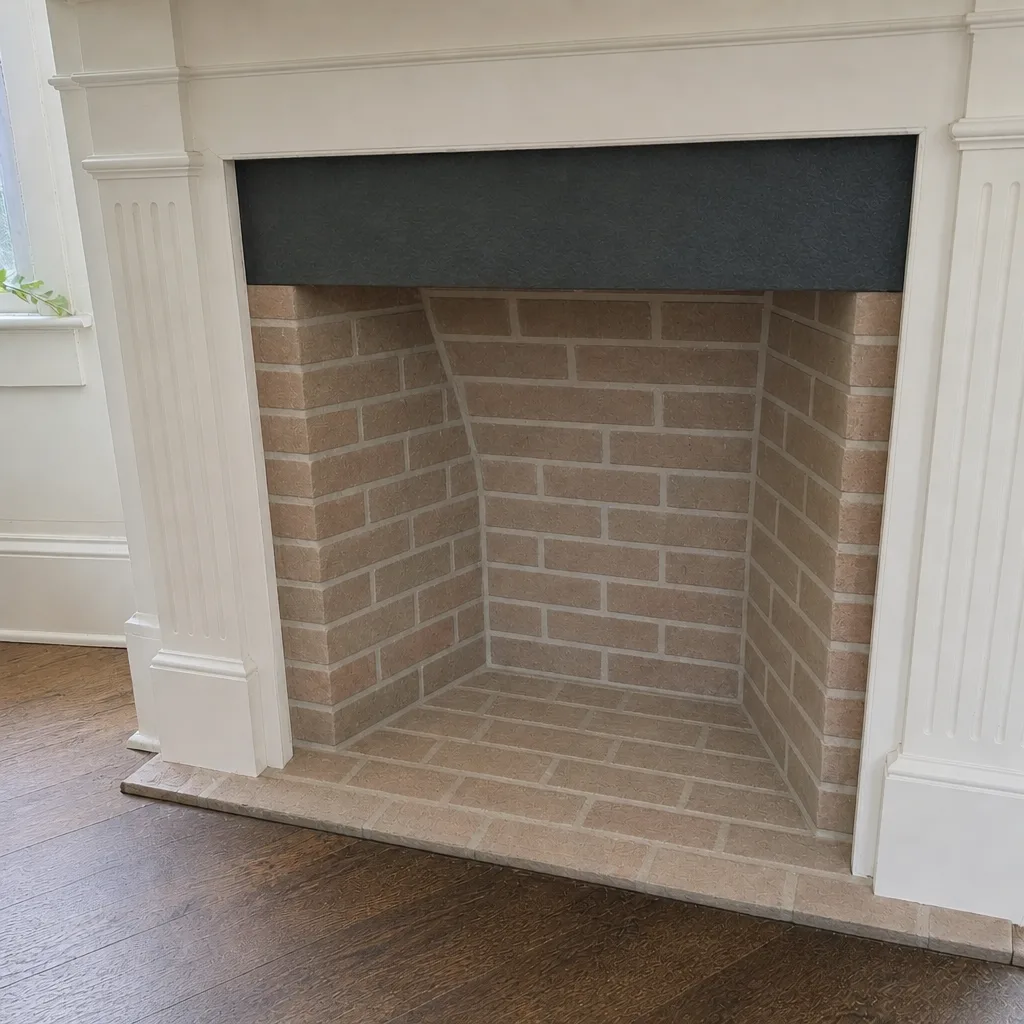 After
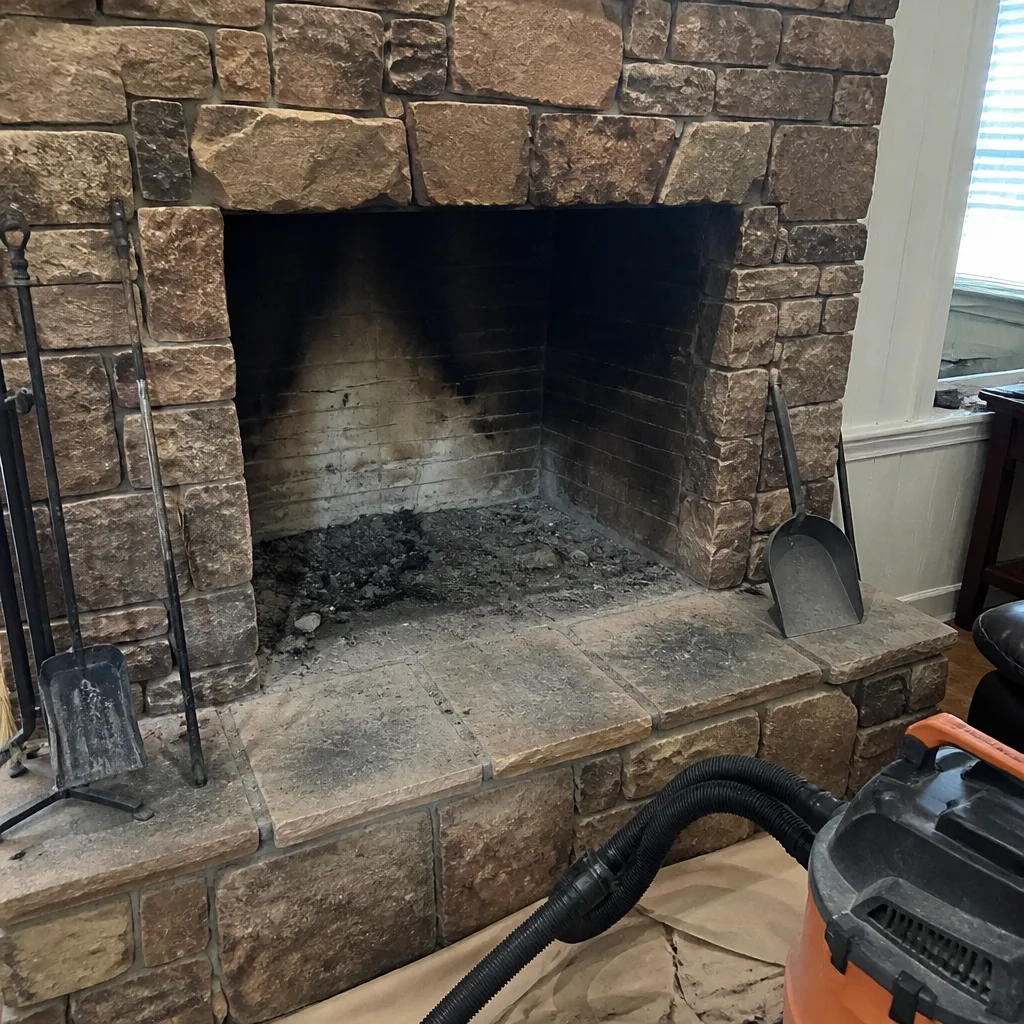 Before
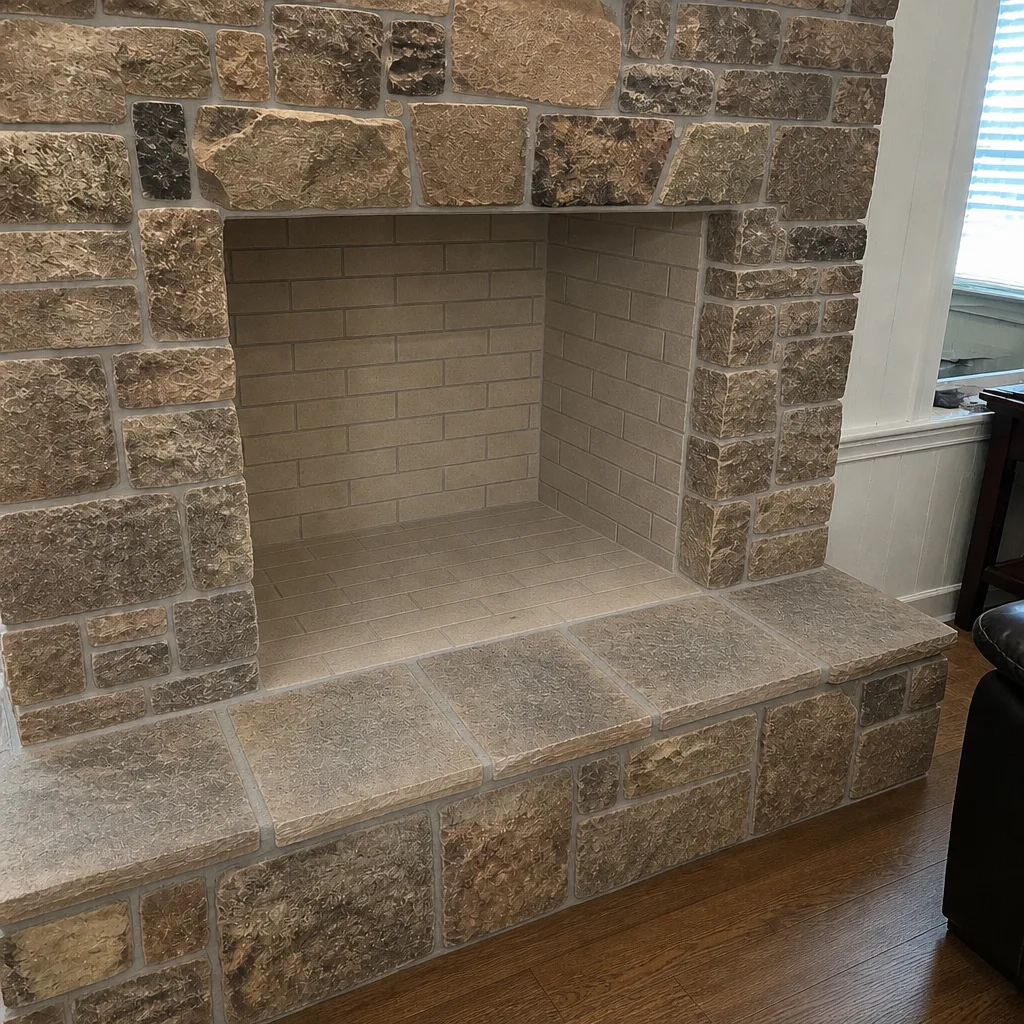 After
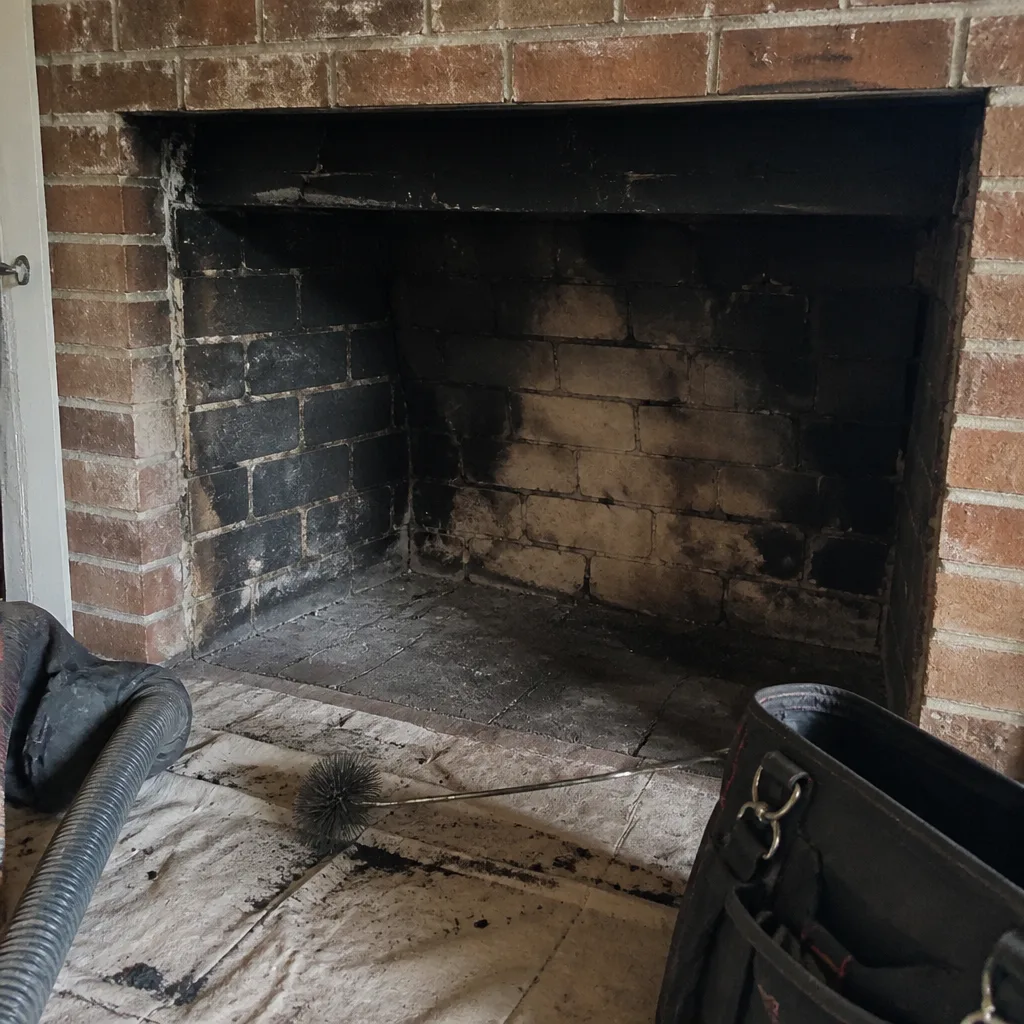 Before
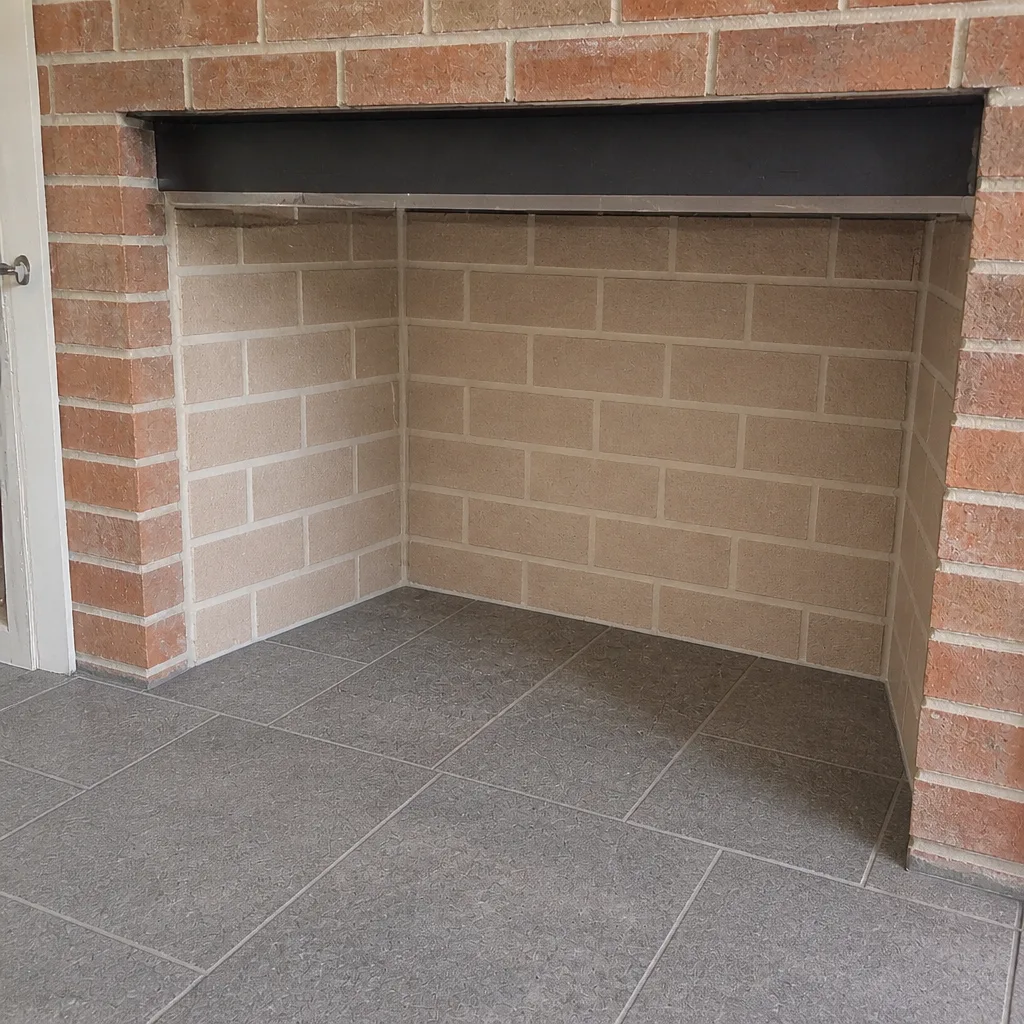 After
When to Call a Professional
Some chimney work is routine, and some genuinely shouldn’t wait. Call a professional if there’s smoke entering the room when you burn, a cracking sound during a fire, visible water staining on the chimney, or a strong smoky smell indoors on humid days. Call before the first fire of the season if it’s been more than a year since the last sweep. Call if you’re not sure the cap and damper are sound. And call if your fireplace is gas and hasn’t had a venting check in a few years, because carbon monoxide doesn’t give obvious warnings.
Rutherford Chimney Sweep offers free estimates in Columbia. We work with professional-grade materials from brands like HeatShield and DuraFlex because liner condition is often the deciding factor, and the right resurfacing or relining option can restore a flue without a full tear-out. Call (844) 940-3007. We answer 24/7. Fast dispatch from 7am to 7pm, Sunday through Friday.
Frequently Asked Questions
Most Columbia households need one to two sweeps a year, depending on how often they burn. Light users who light a few fires each winter can usually get by with a post-season sweep in March; regular weekly burners should plan a pre-season clean in September and a follow-up in spring. Call (844) 940-3007 for an exact schedule specific to your chimney: estimates are free.
No. Mild winters actually create a creosote pattern that’s harder to catch with a single annual sweep, because intermittent, low-intensity burning leaves soft, sticky deposits spread unevenly through the flue. Those deposits then sit through months of humid summer weather, which is the corrosive cycle at its worst. Call (844) 940-3007: a camera inspection shows exactly what’s in the flue.
Creosote builds up and eventually creates a chimney fire risk, and the moisture-driven corrosion from summer humidity can damage the flue liner over time. A skipped season isn’t an instant problem, but the damage compounds. If it’s been more than a year since a sweep, call (844) 940-3007 for a free estimate before the next burn season.
A sweep clears creosote and debris; a repair addresses a damaged liner, cracked crown, cap failure or water intrusion. Visible staining, rust on the firebox, smoke in the room or a chimney fire history point toward repair. A camera inspection and photo report confirm which you need. Call (844) 940-3007 to schedule one in Columbia: estimates are free.
Yes. Gas fireplaces don’t produce creosote, but the venting, pilot, burner and termination still need an annual check, especially before autumn and again before storm season. A partially blocked vent affects combustion and indoor air quality, and carbon monoxide is the hazard that matters most. Call (844) 940-3007 to book a check.
Confirm the cap is intact and fitted, check the crown for cracks, make sure the damper closes fully, and look again after any major storm. A dirty flue with a cracked cap and an open damper is the worst combination for summer moisture. If you’re not sure yours is holding up, we can check it as part of a single visit to your Columbia home. Call (844) 940-3007: estimates are free.
The Bottom Line
Chimney care in Columbia works best when it follows your burning pattern rather than a fixed calendar. Intermittent winter use leaves soft, sticky creosote, and summer humidity turns that residue corrosive. The practical takeaway is to clean before summer rather than after, check the cap and damper before storm season, keep the dryer vent on the same annual schedule, and get a camera inspection whenever a symptom shows up. Our technicians have up to 15 years of experience, and we name the brands we use, from HeatShield resurfacing to Olympia Chimney liners, because the materials matter. If your flue hasn’t been looked at in a while, a Rutherford Chimney Sweep visit is the place to start.
If you’re ready to get your chimney on a schedule that matches how you actually burn, call (844) 940-3007 for a free estimate. We answer 24/7. Fast dispatch from 7am to 7pm, Sunday through Friday. Nothing gets recommended without evidence you can see for yourself in the camera inspection and photo report, and we’ll tell you plainly when work can safely wait.
Written by the team at Rutherford Chimney Sweep.