
Last updated November 15, 2026
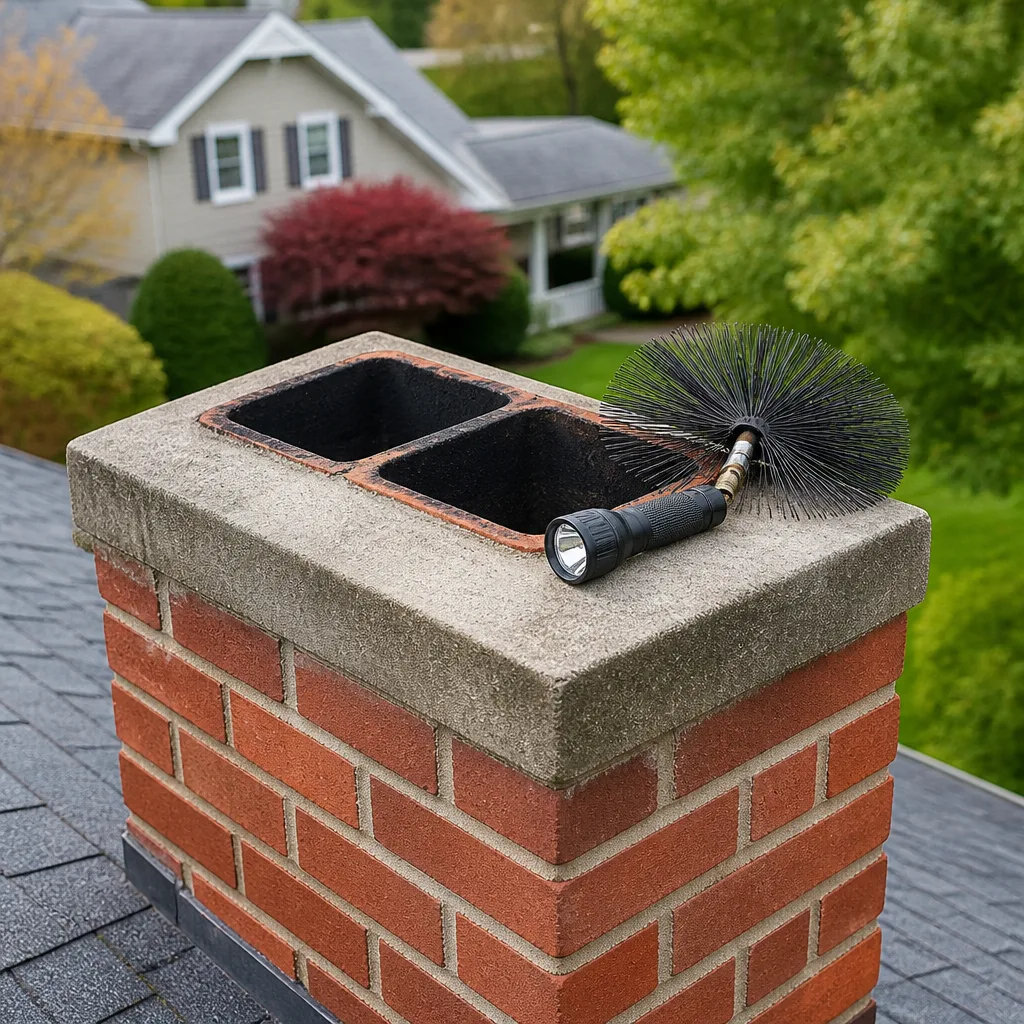 Sweep & inspection
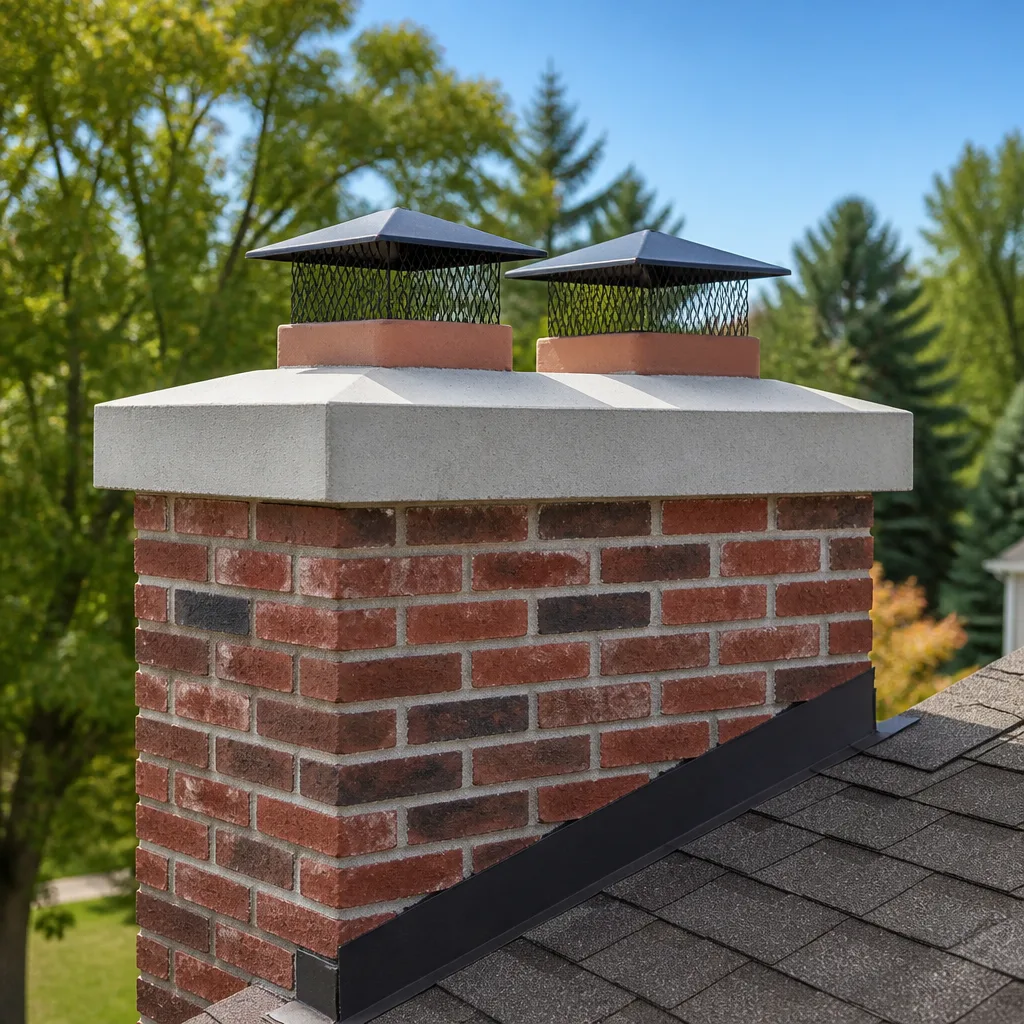 Caps & crowns
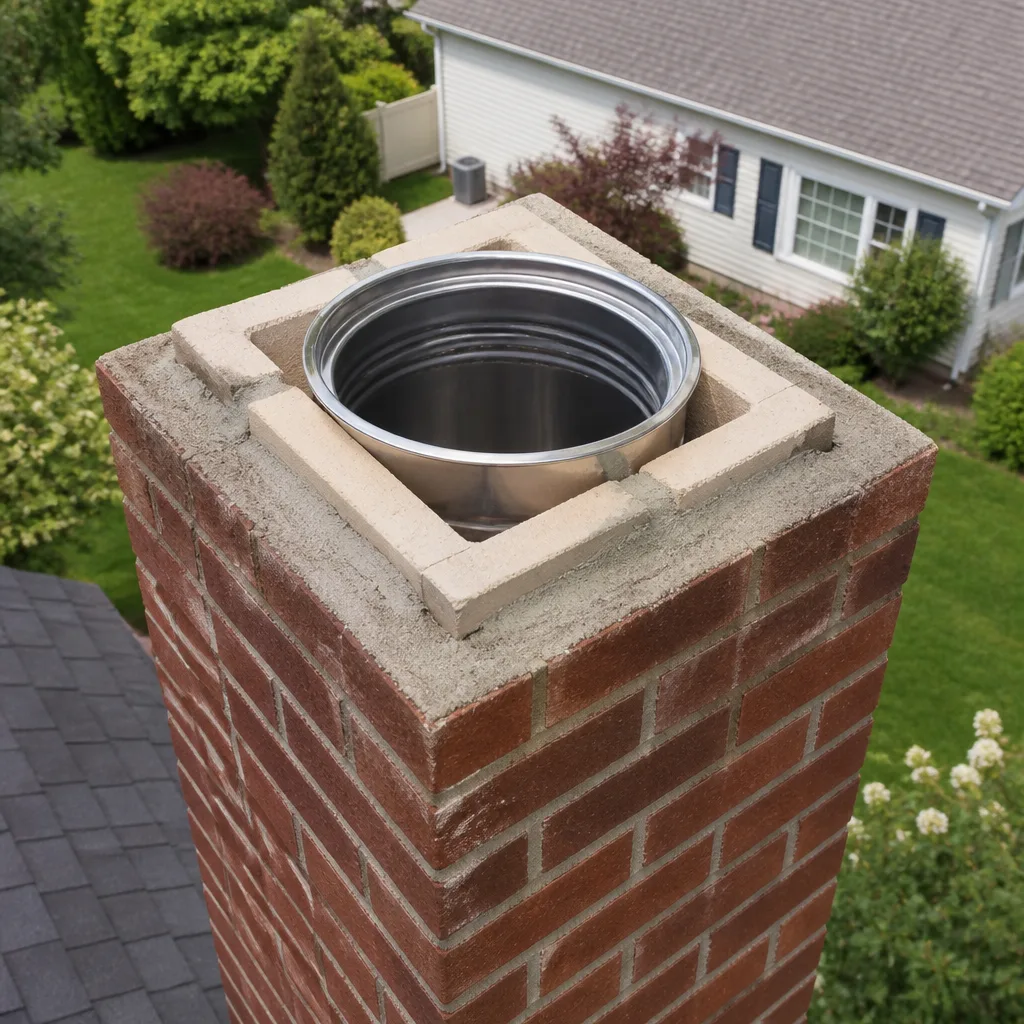 Flue relining
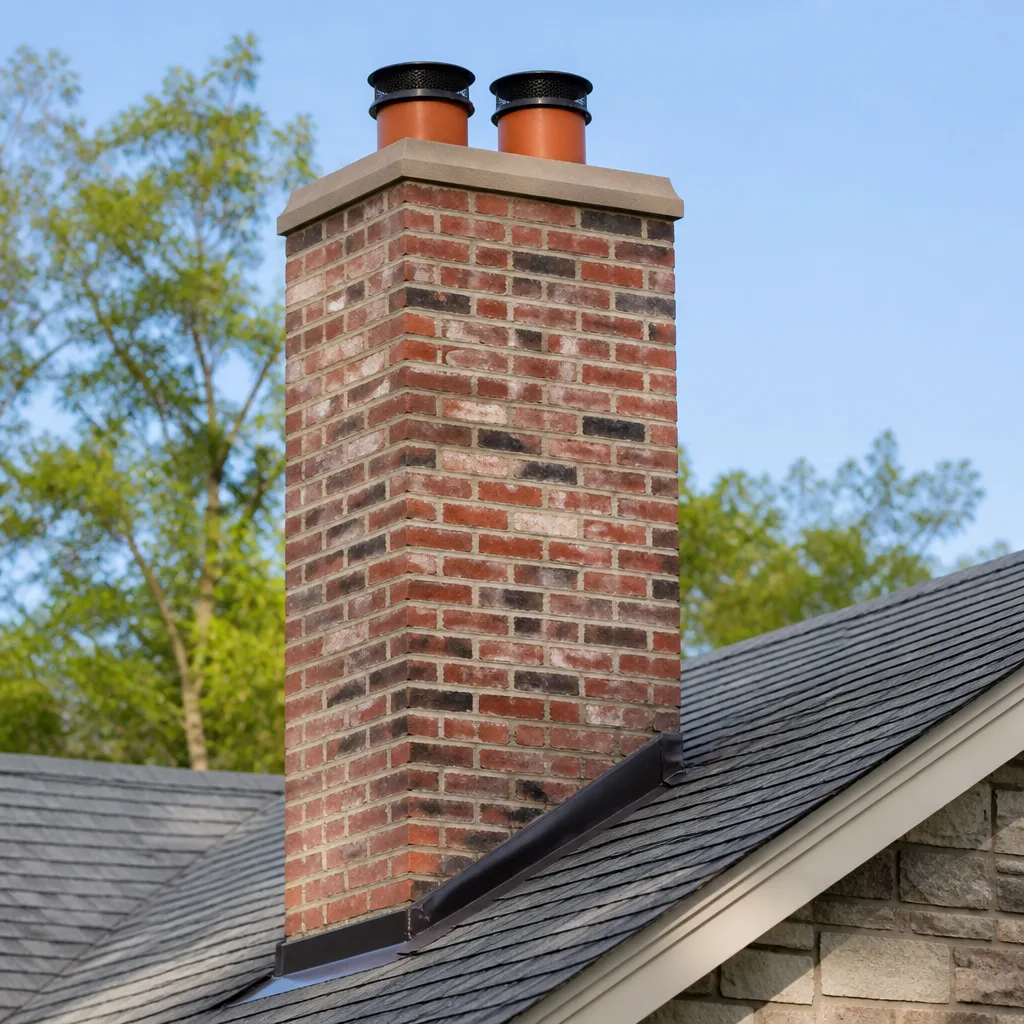 Masonry repair
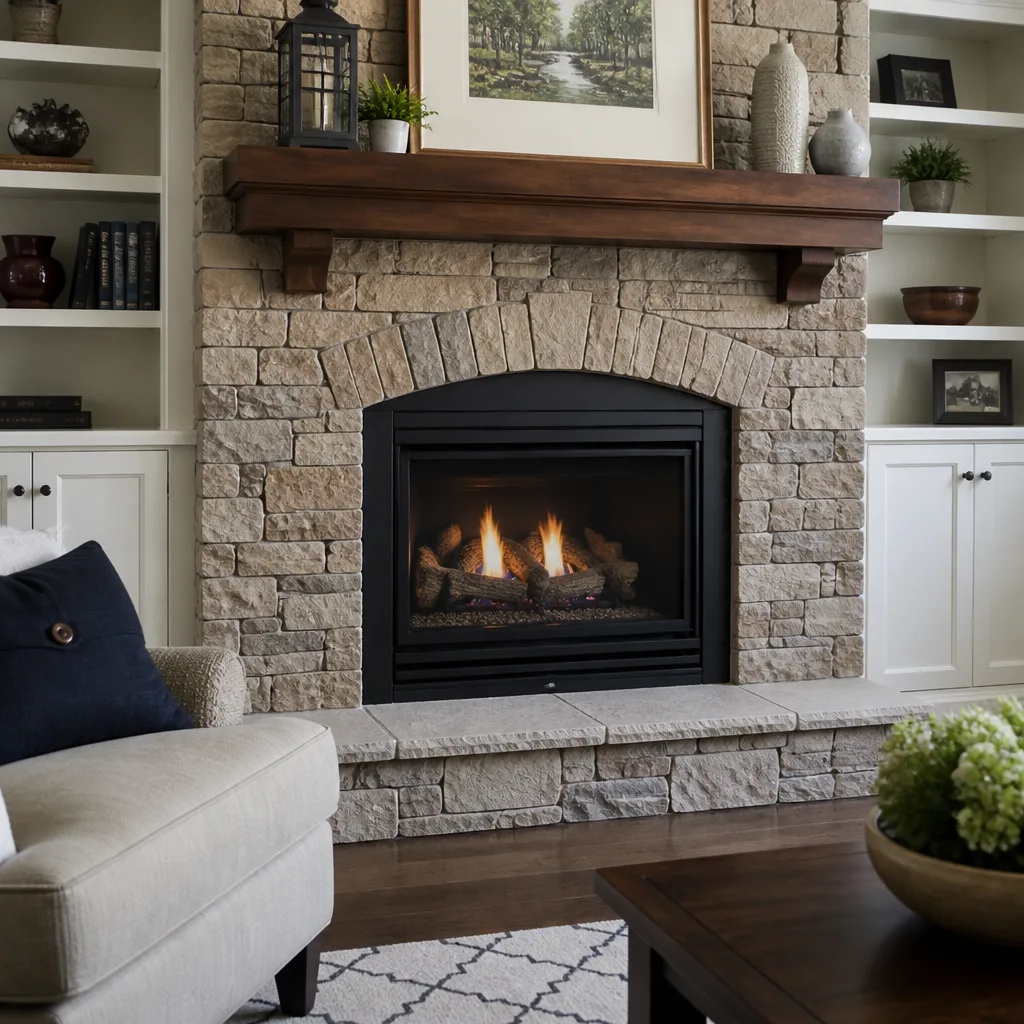 Gas fireplace service
Level 1 sweep and inspection to the NFPA 211 annual standard - flue, crown, cap, and flashing checked and photographed
Chimney sweep logs do not sweep chimneys. They loosen some creosote - which then falls where a brush and vacuum still have to collect it.
Chimney Cleaning Emergency Preparedness Guide for Columbia Homes
A chimney fire in a flue packed with creosote can burn above 2,000°F. The sound is often described as a low roar, or a freight train passing through the house. Here is the part that catches people off guard: most homeowners who have never lived through one don’t recognize it as a chimney fire at all. They think the fireplace is just drafting loud, and they go back to what they were doing. That misidentification is the most dangerous few minutes of the whole event.
What follows is a working plan for both kinds of chimney trouble we see around Columbia: the acute event you have ten minutes to handle, and the slow failure that announces itself weeks in advance if you know the signals. You’ll get the first-ten-minutes actions, the carbon monoxide gaps that catch Columbia homes in mild weather, the post-fire inspection rule, and the records that make a contractor’s job faster when it matters.
Quick Answer
If you suspect a chimney fire, close the damper and any air controls, get everyone out of the house, and call 911 from outside. Don’t put water on it, don’t wait to see if it stops, and don’t use the fireplace again until a Level 2 inspection clears it. For carbon monoxide or a blocked flue, leave the building first and treat it as a medical emergency. For anything short of that, a booked chimney sweep with a camera inspection is how you find creeping creosote and vent damage before either becomes an emergency.
Styles & brands we work with
- Sweep & inspection
- Caps & crowns
- Flue relining
- Masonry repair
- Gas fireplace service
Table of Contents
- What to Do in the First Ten Minutes of a Chimney Fire
- Why a Fire-Damaged Chimney Can’t Be Used Until a Level 2 Inspection
- Carbon Monoxide Risk and Columbia’s Mild-Winter Detection Gap
- How Storm Season Creates Chimney Emergencies in Columbia
- The Warning Signs That Precede an Emergency by Weeks
- What to Keep on File for a Faster, More Accurate Response
- Pre-Season Preparedness Checklist for Columbia Homes
- The Second Hidden Fire Risk: Dryer Vents
What to Do in the First Ten Minutes of a Chimney Fire
Ten minutes is roughly the window you get. Chimney fires move fast, and the aim in those minutes is not to fight the fire. It is to cut its air supply, protect people, and get trained responders moving. Here is the sequence, in order.
- Close the damper and all air controls. A chimney fire needs oxygen, and the open fireplace or stove door feeds it. Shut the glass doors, close the damper, and close any stove air intake. This starves the fire as much as you safely can from inside.
- Get everyone outside. Every person and pet leaves the house, even if the fire seems contained. A cracking flue can send fire into wall cavities, and the smoke carries carbon monoxide.
- Call 911 from outdoors. Tell them it is a chimney fire. Say so plainly, because it changes how crews approach the scene.
- Don’t put water on it. Water on a hot firebox or a ceramic flue can shatter it, and that turns a contained flue fire into a structural fire.
- Tell the fire department what you know about your system. Whether you have a masonry chimney or a prefab, whether there is a liner, how old the setup is, and when it was last swept. That information helps them assess risk to the rest of the house.
- Log the event. Note the time you noticed it, what you heard or smelled, and what you did. That record matters later for your inspection and your insurer.
The classic signs are a roar like a freight train, the smell of hot metal, a dense puff of smoke, and flames or sparks from the top of the chimney. If you see any of them, act first and investigate after. This is also the reason a chimney cleaning routine matters: heavy creosote is what turns a small flue fire into a big one. Our team at Rutherford Chimney Sweep does this work constantly, and the sweeps that get skipped are the ones that produce the dangerous fires.
Why a Fire-Damaged Chimney Can’t Be Used Until a Level 2 Inspection
A chimney that has experienced a fire cannot be used again until a Level 2 inspection is completed. This is not a contractor trying to sell you something. It is the trade’s standard because fire damages the parts you can’t see. The visible flue might look intact while a cracked liner or a failed joint sits behind the masonry, ready to leak smoke and heat into the structure on the next burn.
A Level 2 inspection is what it sounds like: a closer look, done with a video camera. What it specifically examines:
- The flue liner for cracks, spalling, and gaps between sections, and whether the liner is bonded to the flue.
- Joints and connections between the appliance and the chimney, which often fail first.
- The crown and cap for cracks and storm damage.
- Creosote depth and glazing after the event.
- The surrounding structure, wall clearances, and combustible framing, where heat soaks in.
When we run that inspection, we use a camera and produce a photo report, so you see the same evidence we do. This is where a resurfacing product like HeatShield earns its place. If the liner is deteriorated but still structurally sound, resurfacing can restore it without a full tear-out. If it’s more than that, our team handles full relining with DuraFlex flexible liner systems. The point is the inspection decides, not a guess.
Carbon Monoxide Risk and Columbia’s Mild-Winter Detection Gap
Carbon monoxide is the quiet companion of chimney problems. It has no color, no smell, and it doesn’t announce itself. For chimney systems, the risk is really a venting issue: when combustion gases can’t leave through a clear, intact flue, they find another path, and that path is usually into the house.
Some appliances and setups carry more of that risk than others. Wood stoves and fireplaces produce CO too, but the highest exposure risk tends to come from the appliances running longer and more often: a gas furnace, a gas water heater, and anything else venting into a flue that has no working cap or a blocked outlet. A masonry chimney with no liner, or a failing liner, adds a second problem, because the gases have more ways to escape through cracks instead of up.
Here is the gap we see in Columbia specifically. Our winters are mild, so there’s a stretch when the heat doesn’t run much but the windows stay closed anyway. The house is sealed, the furnace hasn’t kicked on in a while, and the CO detector hasn’t been tested since spring. That quiet window is exactly when a blocked vent or a backdraft goes unwatched. Mild winters aren’t the problem. They’re a reason the problem stays invisible.
What to do: put a working carbon monoxide detector on each level of your home and outside sleeping areas, test it regularly, and keep the chimney clear and capped so the gas has a proper place to go. A Columbia home that heats with gas or wood should treat the annual chimney check as a CO safety check as well.
How Storm Season Creates Chimney Emergencies in Columbia
Fire is not the only emergency a chimney has. Columbia’s storm season produces its own class of failure, and these tend to arrive quietly.
High winds knock debris into the flue. Leaves, twigs, branches, and the occasional stray bird nest settle at the top and partly block the outlet. The fire may still burn, but it drafts badly, so the gases back up. A compromised cap is another common one: a cap that shifts or comes loose in a storm leaves the chimney mouth open to more debris, and it can wedge itself in the wrong place. And once the storm passes, people start the heating cycle again, cooling or heating depending on the season, and the blocked vent starts pushing exhaust back into the house.
A blocked vent is the part to watch, because it doesn’t make noise. The signs are smoke that spills when you open the stove door, a fire that’s hard to light, and soot marks around the mouth of the flue. After a real storm, don’t assume your chimney works until it works. A quick inspection confirms that the flue is clear and the cap is doing its job. If you find damage, that’s when the repair work starts, not the other way around. The cap and venting components we install, including Gelco and Famco parts, are purpose-built chimney products rather than hardware-store substitutes, because the wrong cap is only a little better than no cap at all.
The Warning Signs That Precede an Emergency by Weeks
Most chimney emergencies are not sudden. They are slow failures that got mishandled by waiting. Here’s what to watch for, and what each signal usually means.
- A rapid buildup of creosote. Creosote is what feeds a fire, and heavy, glazed layers are the fuel. If a sweep finds a thick layer after a season or two of unexpected buildup, the cause is usually wet wood, a slow fire, or a poorly drafting flue. Fixing the cause cuts the risk.
- Smoke spilling into the room. A fire that won’t draft, or a puff of smoke when you open the stove, points to a blocked flue, a failing liner, or a pressure problem in the house. Don’t run the fire while you ignore it.
- Black staining at the top of the firebox or on the chimney exterior. This is soot where it shouldn’t be, and it can trace a leak.
- Deteriorated mortar and a cracked crown. Loose mortar is a pathway for water and a sign the crown is losing its seal. Water then drives the damage faster.
- A cold or stuffy room that used to heat well. A blocked or partially collapsed flue changes how the whole thing breathes.
- The smell of smoke when the fireplace isn’t lit. That’s air moving the wrong way, and it’s worth a look before the next burn.
Every one of these is a call-and-book moment, not an emergency call. None of them require a technician on the way today. But each is a slow failure that will become an emergency if it waits, and the camera inspection is how we tell you whether the liner needs resurfacing or just a sweep. In our experience across Columbia, the homes that run an annual cleaning don’t often show up on the emergency end of the scale.
What to Keep on File for a Faster, More Accurate Response
When there’s a fire or a suspected CO event, responders and contractors need answers fast: what the chimney is made of, what connects to it, and when it was last worked on. If that information is in a drawer or on a phone, the response gets sharper.
Keep a small folder, physical or digital, and update it every time the chimney gets serviced. It should hold:
- The most recent inspection report, including the sweep’s notes and any photo report.
- Liner type and material: masonry, a metal liner, and its condition.
- The appliance name and model of the stove, insert, fireplace, or furnace venting into the chimney.
- Any repair history, especially resurfacing or relining work, since that changes what a responder sees.
- The cap and venting components installed, including the make.
- A quick note on how the chimney is used: wood, gas, or both.
We keep records of the work we do and can pull up what your chimney is, which speeds up a diagnosis. Having your own copy means a different contractor, or the fire department, can understand the system in minutes rather than guessing. A home in a neighborhood like Shandon or Forest Acres doesn’t need a complicated system to benefit from this; it just needs a folder and a habit of saving the report.
Pre-Season Preparedness Checklist for Columbia Homes
The best emergency response is the one you never have to use. A pre-season pass takes an afternoon and cuts off most of the problems in this guide.
- Book the annual chimney cleaning and inspection before the first real heating cycle. This finds creosote, cracks, and blockages while they’re small.
- Look at the cap and crown from the ground. A shifted cap or a cracked crown is a couple of minutes to spot and a storm away from getting worse.
- Check the carbon monoxide detector and its battery. Do it now, not when the furnace is already running.
- Confirm the wood you’re burning is dry. Wet wood makes more creosote and drafts worse.
- Clean the dryer vent too. It’s the other hidden fire risk in most Columbia homes, and we can do it on the same visit as the chimney.
- Record the appliance and liner details in your folder from the section above.
- Walk the exterior after storm season for dislodged caps and debris at the top of the flue.
If you cook, heat, and do laundry in the same house, the chimney and the dryer vent are two of the systems most worth checking. Being ready for one emergency is really the same as having a routine that prevents them.
The Second Hidden Fire Risk: Dryer Vents
Chimney fires get the attention, but the dryer vent is a fire risk that sits quietly behind the wall. Lint accumulates in the duct, and it’s about as flammable as a fire needs. The same thing that blocks the vent also traps it: a long duct run, a shallow bend, or lint that builds up season after season.
We offer dryer vent cleaning for exactly this reason, and it makes sense to handle it in the same appointment as the chimney instead of calling two contractors. The signs that a vent is overdue are clothes that take longer to dry, a dryer that feels hot on the outside, and lint you can see at the back of the machine. If you’re already booking a chimney sweep, add the vent to that call. Preparedness for both happens in one visit, and both are covered in our three service categories: Chimney Sweep, Chimney Repair, and Dryer Vent Cleaning.
Common Mistakes to Avoid
- Mistaking a chimney fire’s roar for normal drafting. A low roar or freight-train sound during a burn means close the damper and call 911, not wait to see. Most people who’ve never heard one make this mistake.
- Putting water on a flue fire. It can crack a hot flue or firebox and turn a small fire into a structural one. Cut the air, exit, call.
- Using the fireplace again right after a fire. A fire-damaged chimney stays out of service until a Level 2 inspection clears it, and skipping that inspection risks a repeat event you didn’t see coming.
- Assuming mild weather means no CO risk. In Columbia, the sealed-house, furnace-off stretch keeps a blocked vent or backdraft unwatched. Keep the detector tested all year.
- Letting a storm-damaged cap sit. A cap that shifts in high winds leaves the flue open to debris, and the block often goes unnoticed until the first heating cycle.
- Calling a general handyman for liner work. Resurfacing and relining need the right system and the brands made for it. HeatShield, DuraFlex, and venting from Olympia Chimney and Copperfield are the materials that hold up.
- Skipping the dryer vent. The lint that builds up in the duct is a fire risk of its own, and it’s easy to ignore because it doesn’t make noise.
See the difference
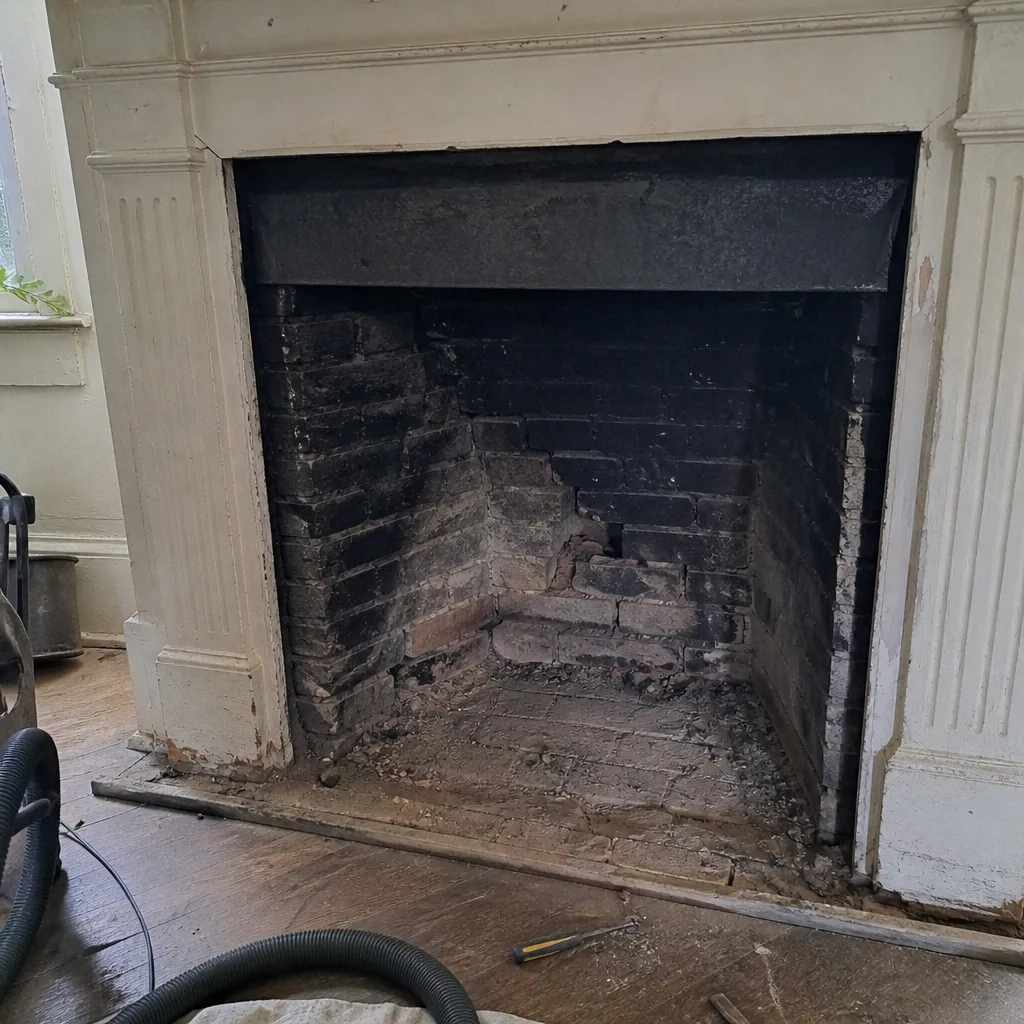 Before
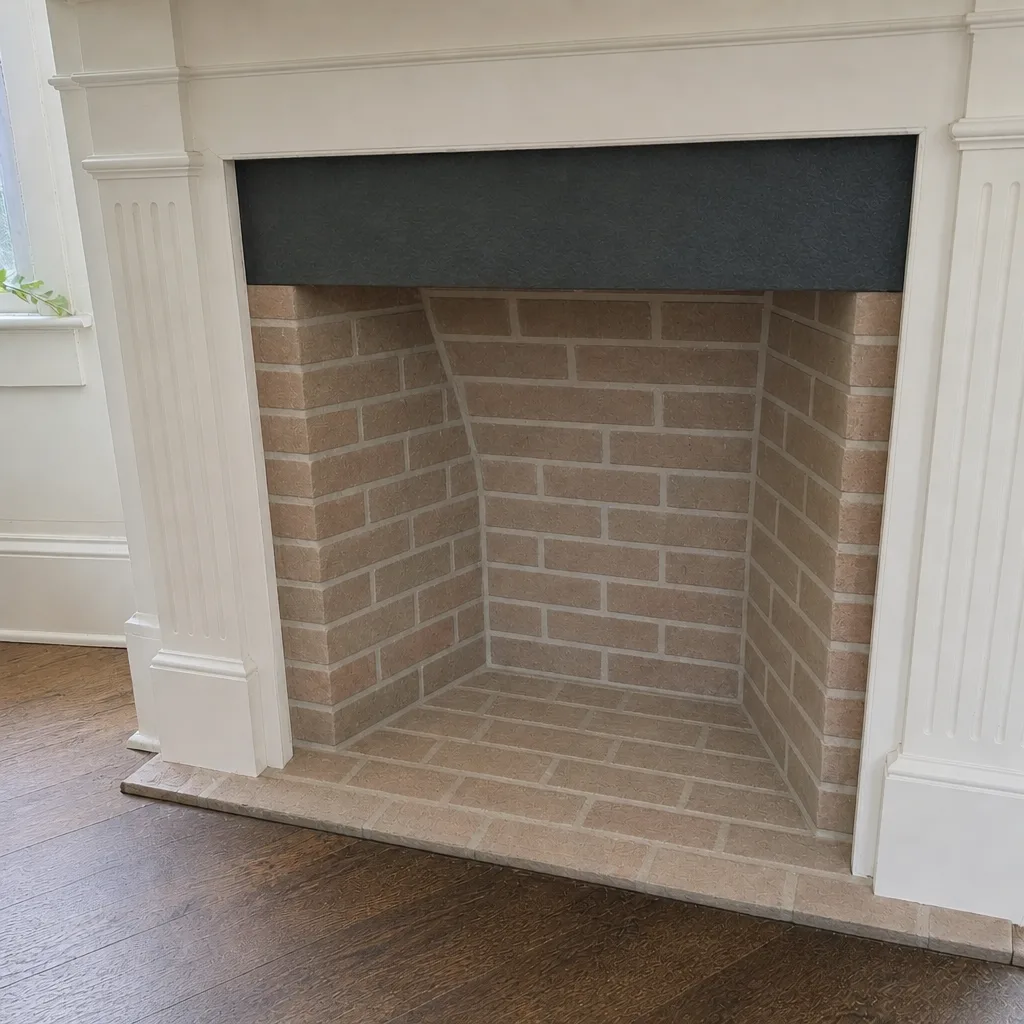 After
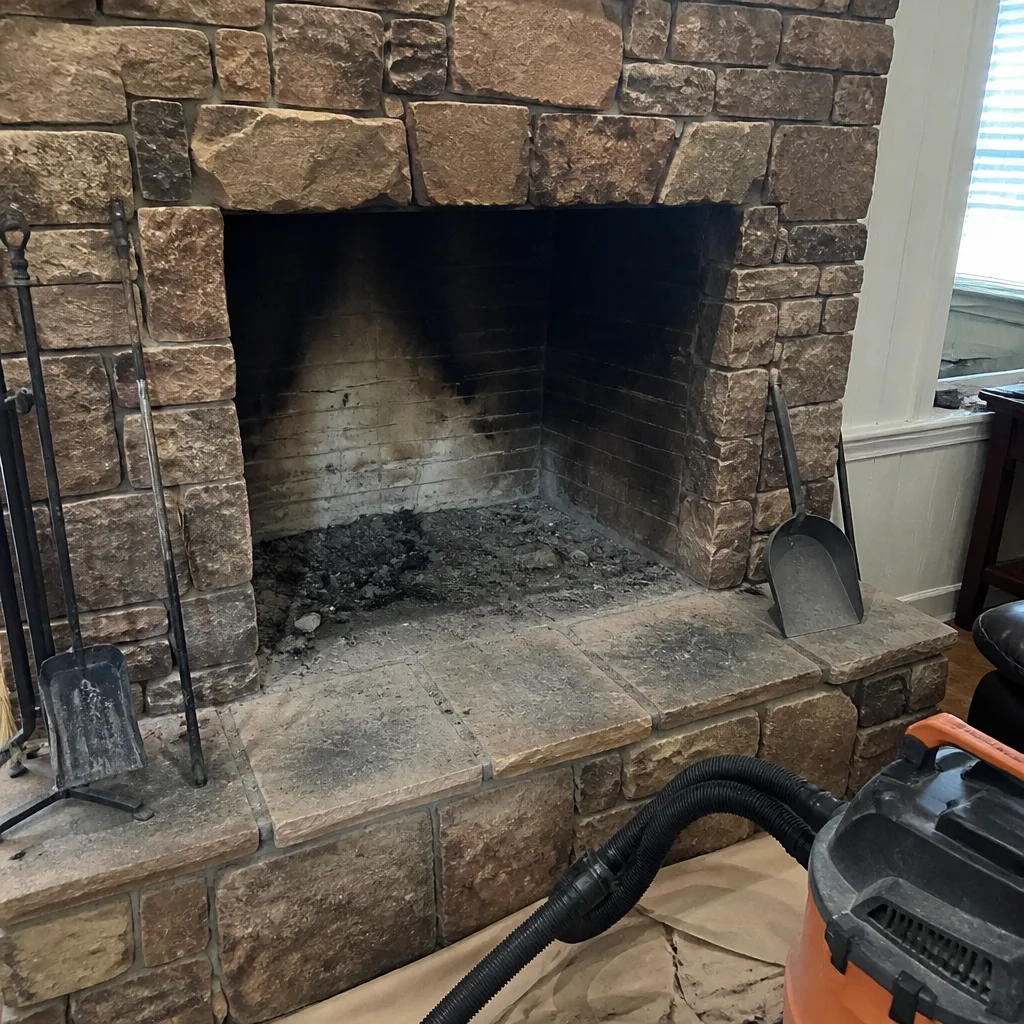 Before
 After
 Before
 After
When to Call a Professional
Call us if you smell smoke when the fireplace isn’t running, if the fire won’t draft, if the cap is missing or shifted, or if the last inspection was more than a year ago. Call if a fire has happened, before you light again, so we can run the Level 2 inspection and a photo report. Call if the chimney looks deteriorated at the crown or has loose mortar. And call before the heating season, while it’s a booking and not an event. Preparing a Columbia home for chimney trouble is a calendar item, not a waiting game. Rutherford Chimney Sweep offers free estimates in Columbia, and a written estimate sets the final price. Call (844) 940-3007. We answer 24/7. Fast dispatch from 7am to 7pm, Sunday through Friday.
Frequently Asked Questions
Close the damper and the air controls, get everyone out of the house, and call 911 from outside. Don’t put water on it. The closed damper starves the fire of oxygen while responders get to you, and the details you can tell them about the chimney, masonry or prefab, lined or not, help them assess the scene. Call (844) 940-3007 after the event for the Level 2 inspection.
No, not until a Level 2 inspection clears it. A fire can crack the liner or the flue without visible signs, and using the chimney again can leak heat and gases into the structure. The inspection finds cracks, failed joints, and creosote depth before you burn again. Call (844) 940-3007 to book the inspection.
You need a liner decision made on evidence, not a sales push. A camera inspection and photo report show exactly what’s happening in your flue, and resurfacing with HeatShield is often an alternative to a full reline when the liner is deteriorated but structurally sound. When tear-out is the right call, DuraFlex systems do the full job. If it can wait, we say so. Free estimates, and the written estimate sets the price: call (844) 940-3007.
Once a year for most wood-burning setups, and more often if you burn heavily or notice fast creosote buildup. A gas setup still deserves the annual check, because the venting and CO risk don’t disappear when there’s no wood. Mild weather makes it tempting to push the appointment, and that’s precisely when a blocked vent goes unwatched. Call (844) 940-3007 to book.
Treat it as CO if you feel dizzy, nauseous, or headachy indoors, and leave the building and call 911. CO has no smell and no color, so a symptom you can’t otherwise explain is the signal. A working detector on each level is the reliable check, and the chimney inspection is where you catch the blocked vent and backdraft behind it.
The estimate is free: we inspect, show you the camera evidence and the photo report, and price the job from there, with the written estimate setting the final price. You’ll see the same condition we do, whether that’s a sweep, resurfacing, or a reline. If nothing needs doing, we say that too. Call (844) 940-3007. We answer 24/7. Fast dispatch from 7am to 7pm, Sunday through Friday.
The Bottom Line
Chimney emergencies come in two shapes. The acute ones, a flue fire or a CO incident, need the first ten minutes handled right: close the damper, get out, call 911, and stay off the chimney until a Level 2 inspection. The slow ones, creosote buildup, storm debris, a failing liner, a blocked vent, give you weeks of warning if you know the signs. Columbia’s mild winters make the CO gap easier to miss and storm season adds its own damage, so the routine that prevents both is the same: a sweep, an inspection with camera evidence, a tested detector, and a folder with your records. That’s the preparedness plan. Written by the team at Rutherford Chimney Sweep.