
Last updated November 15, 2026
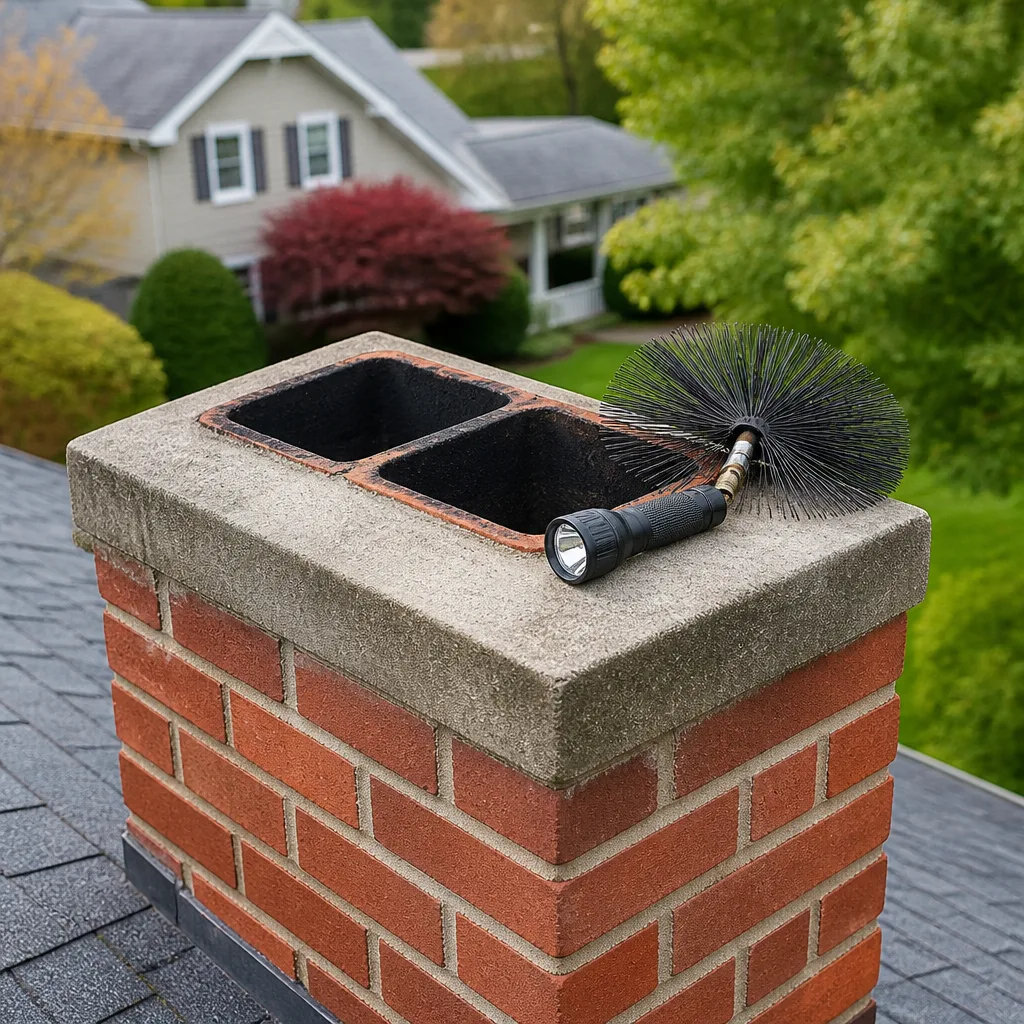 Sweep & inspection
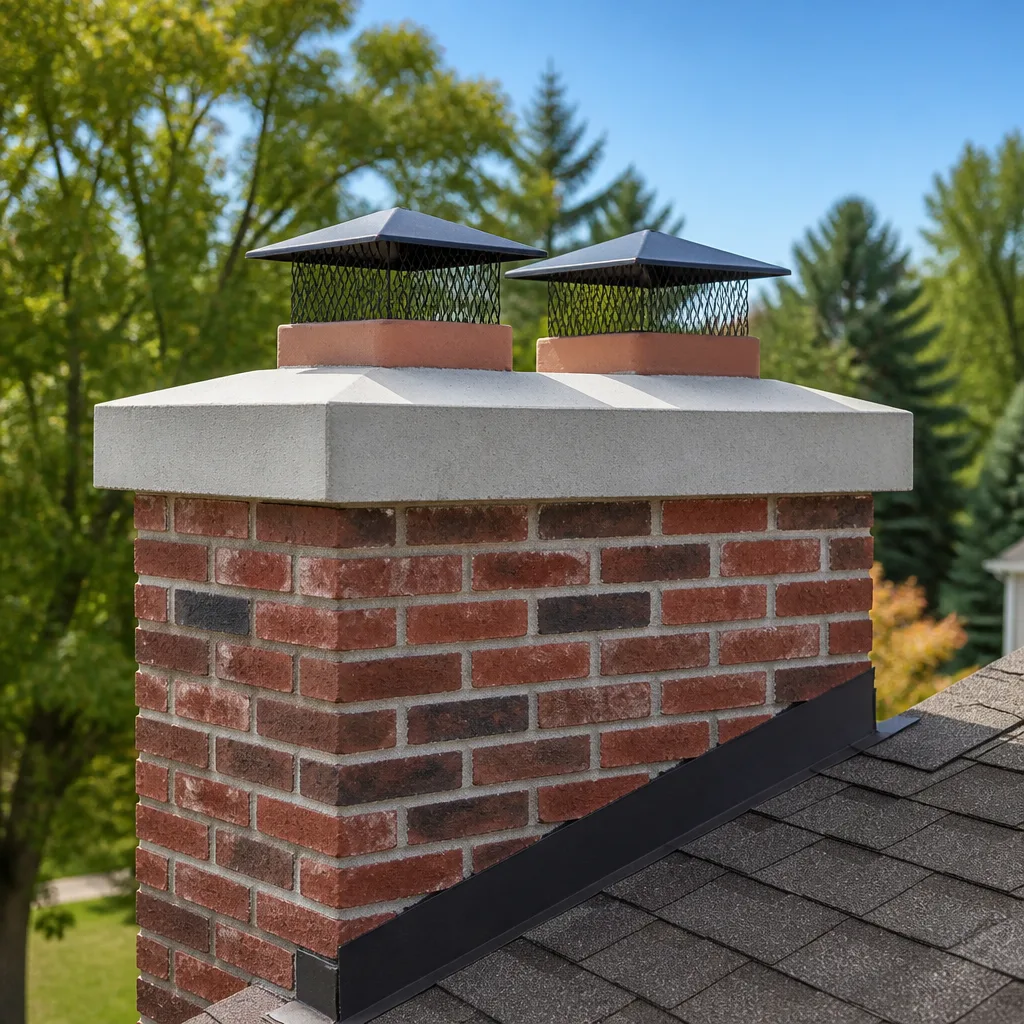 Caps & crowns
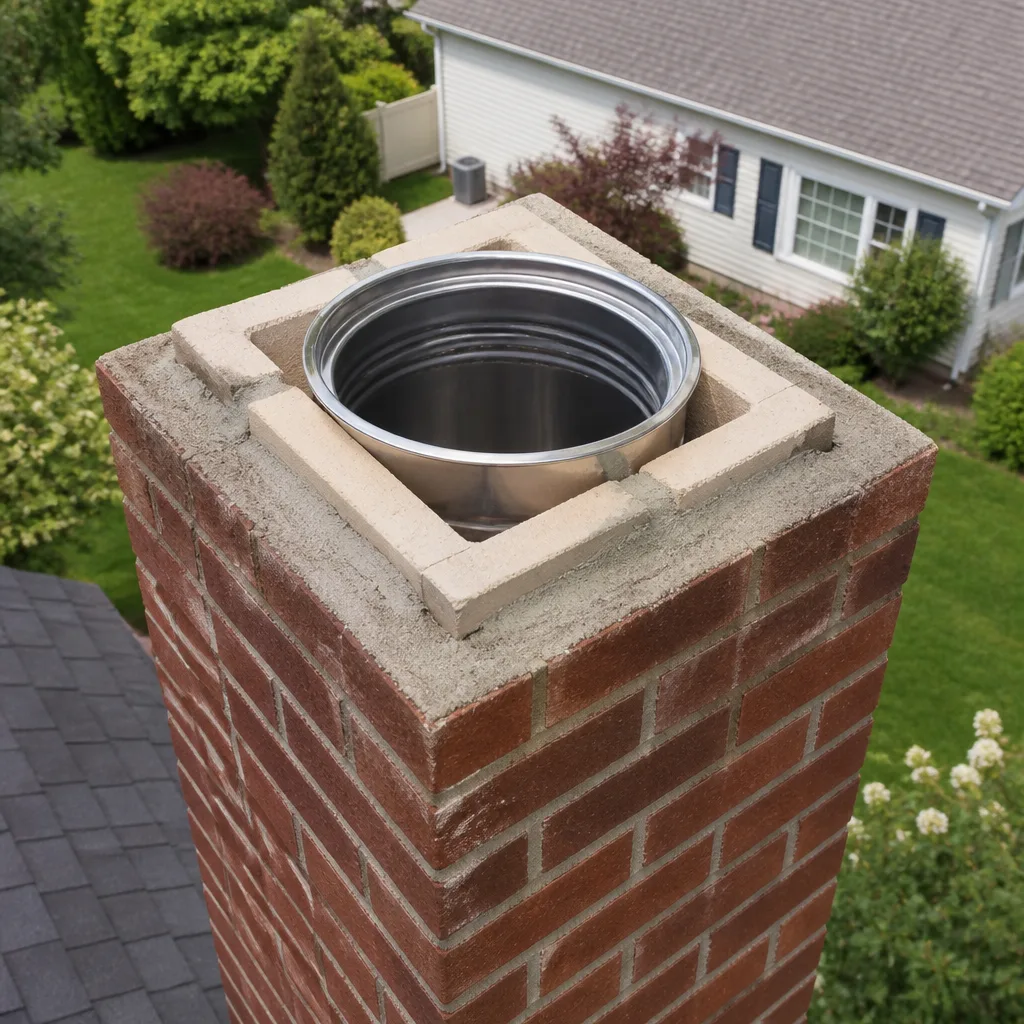 Flue relining
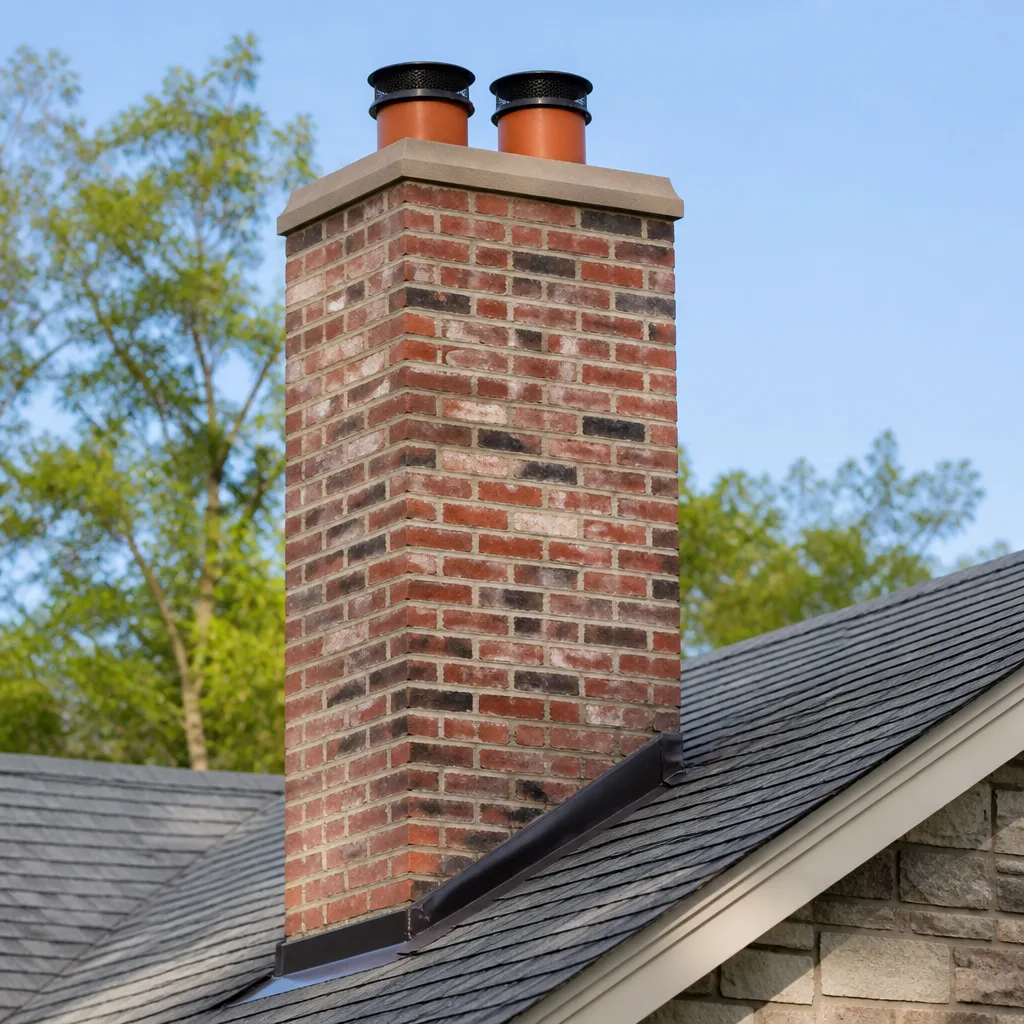 Masonry repair
 Gas fireplace service
Level 1 sweep and inspection to the NFPA 211 annual standard - flue, crown, cap, and flashing checked and photographed
Chimney sweep logs do not sweep chimneys. They loosen some creosote - which then falls where a brush and vacuum still have to collect it.
How to Hire a Chimney Cleaning Contractor in Columbia: A Step-by-Step Guide
Most homeowners assume the hardest part of chimney care is finding someone who’ll show up. It isn’t. In Columbia, the harder problem is telling a genuine chimney specialist apart from a general handyman who added sweeping to the menu to fill slow weeks. South Carolina doesn’t license chimney sweeps the way it licenses electricians, so there’s no state board to check, no license number to verify. The burden of vetting lands on you. And a website that says “fully insured” tells you almost nothing about whether that coverage actually protects rooftop work on your home. This guide walks you through the exact questions to ask, the quote structures to read closely, and the red flags that show up specifically in the Columbia market.
Quick Answer
To hire a chimney cleaning contractor in Columbia, verify three things before you book: the technician’s certification (CSIA is the baseline), the contractor’s insurance (general liability plus workers’ comp, with subcontractors named), and whether the quote includes a camera inspection with a written report. A flat-rate sweep with no inspection option is a warning sign, not a bargain. A legitimate written estimate names your chimney system, states findings, specifies materials by brand, and describes the scope of work in plain language.
Styles & brands we work with
- Sweep & inspection
- Caps & crowns
- Flue relining
- Masonry repair
- Gas fireplace service
Table of Contents
- What Certifications Should a Columbia Chimney Sweep Have?
- The Insurance Questions Most Homeowners Never Ask
- How to Read a Chimney Cleaning Quote
- What a Legitimate Written Estimate Includes
- Red Flags Specific to the Columbia Market
- Why Columbia’s Climate Changes What Your Chimney Needs
- The 10-Minute Screening Call: A Step-by-Step Script
- Common Mistakes to Avoid
What Certifications Should a Columbia Chimney Sweep Have?
The baseline credential is CSIA Certified Chimney Professional, awarded by the Chimney Safety Institute of America. It means the technician passed a written exam and committed to a code of ethics, and the certification is listed in a public database you can check yourself. For anything beyond cleaning, look for additional credentials tied to the specific scope. NFI certification (National Fireplace Institute) covers installation and venting of wood, gas, and pellet appliances, and it matters when the work involves a stove, insert, or flue system connection rather than a straight sweep.
Why does the distinction matter in Columbia? Because the market here mixes true specialists with generalists. A handyman with a brush and a shop vac can clean a flue. That same person usually can’t evaluate a cracked liner tile, size a replacement liner for a wood stove, or tell you whether your prefab chimney has the clearances it needs. Certification is how you tell the two apart before anyone climbs onto your roof.
Two more certification layers are worth knowing:
- HeatShield authorization: HeatShield is a resurfacing system for deteriorated flue liners. Only contractors authorized by the manufacturer can apply it. If a company offers liner resurfacing without that authorization, ask where the authorization comes from.
- Manufacturer training for liner systems: DuraFlex and Olympia Chimney products carry installation requirements. A contractor who works with these systems regularly knows the sizing and connection rules that keep a liner within spec.
None of this is about collecting acronyms. It’s about whether the person on your roof can recognize a problem and fix it correctly, rather than clean around it and hand you a bill.
The Insurance Questions Most Homeowners Never Ask
“Fully insured” on a website means almost nothing on its own. Ask for the certificate of insurance and read it. Three coverage categories matter for chimney work, and each one protects a different thing: general liability covers damage to your home, workers’ comp covers injury to the technician on your roof, and a subcontractor clause tells you whether anyone the contractor brings along is covered under the same policy.
Here’s why the workers’ comp question is the one most homeowners skip and shouldn’t. Chimney work happens at height, often on steep roofs, sometimes in wet or windy conditions. If an uninsured helper falls, the medical bills can come after the homeowner in some circumstances. A contractor who carries proper workers’ comp removes that exposure. One who says “we’re all independent contractors” is telling you the coverage may not exist at all.
Ask these questions directly, in writing if possible:
- What is your general liability limit? A policy in force is a start; the limit tells you how much damage it can actually cover.
- Do you carry workers’ comp, and does it cover rooftop work? Some policies exclude height work. Ask.
- Will anyone on my property be a subcontractor? If yes, ask how they’re insured.
- Can you send me the certificate of insurance before the appointment? A reputable contractor sends it without hesitation.
If a contractor can’t answer these before the appointment, that’s your answer. Move on. The right coverage is not a courtesy; it’s part of what you’re paying for.
How to Read a Chimney Cleaning Quote
A flat-rate sweep with no inspection option is a signal, not a deal. Think about what a sweep actually does: it removes creosote and soot so the flue can be evaluated. The cleaning is the setup; the inspection is where the value lives. A contractor who quotes a low number for cleaning and offers no path to a real inspection is either skipping the evaluation or planning to upsell you once the brush is already out.
Compare two quote structures side by side and the difference is stark:
- The flat-rate sweep: one number, no description of what’s included, no mention of inspection, no camera, no written findings. Fast to schedule. Tells you nothing about the condition of your chimney.
- The inspection-inclusive quote: a cleaning price plus a stated inspection, with camera footage if needed, a written report of findings, and a clear separation between what’s maintenance and what’s repair.
In Columbia, where the burning season runs through the cooler months and a lot of homes have wood-burning fireplaces in masonry chimneys, a contractor who skips the inspection leaves creosote glaze and cracked tiles undetected. Those are exactly the conditions that lead to bigger, more expensive work later. A quote that separates cleaning from inspection gives you an honest map of the system and lets you decide what to fix now and what can safely wait.
Watch for the middle-tier quote that pairs a sweep with vague “checking things over.” An inspection isn’t a visual glance from the firebox. It has defined steps and a written output. If a quote won’t spell that out, treat the inspection as missing.
What a Legitimate Written Estimate Includes
A legitimate written estimate is a document, not a number texted to you. You should be able to read it in a year and know exactly what was proposed. In our experience, the estimates that hold up over time share five elements. Here’s what to look for:
- A description of your system. Masonry or prefab, wood-burning or gas, the flue size, the appliance. This tells you the contractor actually looked rather than quoted from memory.
- Findings stated plainly. What the inspection found: creosote level, liner condition, cap and crown condition, any blockages. Findings should be specific enough to verify.
- Materials named by brand. Not “new liner” but which liner system and why. When a contractor specifies HeatShield for resurfacing or a DuraFlex liner for relining, you can look up the product and confirm it’s right for your system. Generic materials listed as “chimney liner” give you nothing to check.
- Scope of work in plain language. What will be removed, what will be installed, what will be tested. No jargon wall.
- What’s excluded. The honest estimate names what it doesn’t cover, like masonry repair above the roofline or a crown rebuild. Exclusions protect you from a surprise line item later.
Materials named by brand are also where you learn something about the contractor. Companies that routinely work with professional-grade brands like Gelco, Famco, or Olympia Chimney tend to specify them on estimates because those products are what they’re trained to install. Hardware-store substitutes usually show up as a generic description because there’s nothing to name.
Red Flags Specific to the Columbia Market
The two red flags we hear about most in Columbia are worth explaining in detail, because both are easy to miss until it’s too late.
The storm-chaser pattern. Contractors who appear in town after a strong storm or a hail event, advertise aggressively for a few weeks, and disappear. These operators often quote chimney and roof work together, push for quick decisions, and collect deposits up front. A legitimate chimney specialist doesn’t appear and vanish with the weather. Ask how long the company has operated in the area and whether you can see a local physical address. Not a P.O. box, not a phone number with a different area code, an actual street address you could drive to.
No local physical address. This is the simplest screen and the most underused. A company that can’t provide a verifiable local address is either a lead-generation front that resells your job to a subcontractor or is operating in a way that makes follow-up difficult. If the work goes wrong in six months, who do you call?
A few more flags worth catching:
- Pressure to decide today. “This price is only good if you book right now” is a sales tactic, not a service model.
- Deposit demanded before inspection. A sweep and inspection are typically paid after the work. Large deposits before any findings appear are a warning sign.
- Quotes delivered without ever looking at the chimney. A real estimate follows an inspection, not a phone conversation.
- No written report of findings. If the contractor won’t document what they saw, you can’t verify anything they recommend.
The core principle underneath all of these: nothing should be recommended without evidence you can see for yourself. Ask for the camera footage and the written findings. A contractor with nothing to hide hands them over without being asked twice.
Why Columbia’s Climate Changes What Your Chimney Needs
Chimney care in Columbia isn’t the same as chimney care in a cold-weather climate, and the difference matters when you’re choosing a contractor. The region’s hot, humid summers put masonry through cycles that a Northern climate doesn’t produce. Masonry absorbs moisture from humid air, then dries out when conditions change. Over seasons, that cycle stresses mortar joints, crowns, and flue tiles. A sweep who only cleans and never inspects is missing the exact problems this climate generates.
The burning season here is also shorter and less intense than in colder regions. That doesn’t mean your chimney needs less attention. It means creosote can sit in the flue through long stretches of humid weather before it’s cleaned out, absorbing moisture and in some cases glazing harder against the liner. Wood that isn’t fully seasoned compounds this. Creosote glaze, once formed, is harder to remove and raises the risk of a chimney fire. A sweep who evaluates the creosote level and reports it specifically is doing the job correctly.
Hail is uncommon in this part of the state, so a pitch about hail damage to your chimney cap should raise your eyebrows. Storm and impact damage do happen, and a cap can take a hit from a falling limb. But the contractor who leads with storm urgency is usually telling you about their sales model, not your chimney. The real Columbia-specific concerns are moisture cycle damage, creosote accumulation between cleanings, and the settling that older masonry chimneys show over time. Any contractor worth hiring will talk about those without being prompted.
The 10-Minute Screening Call: A Step-by-Step Script
You can separate a specialist from a generalist in roughly ten minutes on the phone. The key is asking questions that have specific answers. Here’s the sequence:
- “Are you CSIA certified, and can I find you in the CSIA database?” The database is public. A certified technician will tell you to look.
- “Can you send me your certificate of insurance?” Ask for general liability and workers’ comp. A contractor who hesitates or deflects is telling you something.
- “Will anyone on my property be a subcontractor?” If yes, ask whether they’re covered under the same policy.
- “Does the sweep include an inspection, and will I get a written report?” The answer should be specific. “Yes, with camera footage” is a real answer. “We check things as we go” is not.
- “What brands of liner and cap materials do you work with?” A specialist names the products they install. A generalist gets vague.
- “Where is your local physical address?” Verifiable street address, not a mailbox.
- “If the inspection finds a problem, how do you present it?” Look for a written estimate with findings and photos, not an urgent verbal pitch.
Run that script with three or four companies and the field narrows quickly. The one who answers every question without flinching, sends the insurance certificate before the appointment, and describes the inspection process in specifics is the one to book. You’ll notice the questions themselves do most of the filtering. A company that’s built around cleaning and inspection answers them easily. A company that added chimney work to fill slow weeks struggles.
Common Mistakes to Avoid
- Booking on price alone. The cheapest quote in Columbia usually reflects a sweep with no inspection attached. The low number is part of the sales model, not evidence of value.
- Accepting “fully insured” without a certificate. Ask for the document. The certificate tells you the coverage type and limit; the website line tells you nothing.
- Skipping the written report. If the contractor won’t put findings in writing, you have no record to compare against the next inspection. A chimney isn’t something you can glance at yourself.
- Hiring the storm-week contractor. Companies that appear after a bad weather stretch tend to disappear after the next one. Local stability is part of what you’re vetting.
- Letting a generalist touch liner work. Cleaning and relining are different trades. A handyman may do a passable sweep and a poor liner install. Ask what liner systems the contractor installs and how they were trained on them.
- Ignoring the dryer vent for the same visit. Dryer vents are a separate fire risk in the same house, and louvered vent components from brands like Famco or Gelco are purpose-built for the job. If you’re booking one appointment anyway, ask whether the contractor handles both.
- Assuming permit paperwork doesn’t apply. Some chimney repair work, particularly structural masonry changes, may require a permit from your city’s building department. Ask the contractor how they handle permits before the job starts.
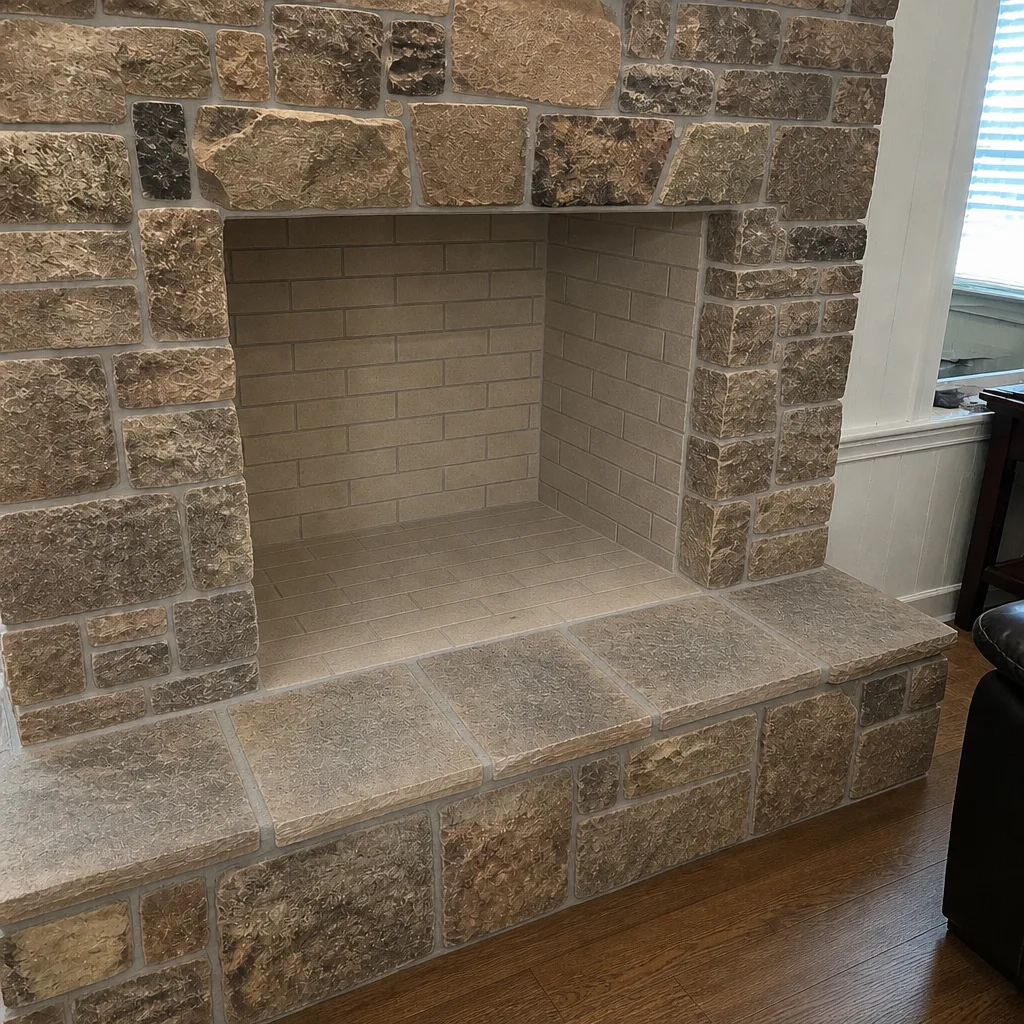
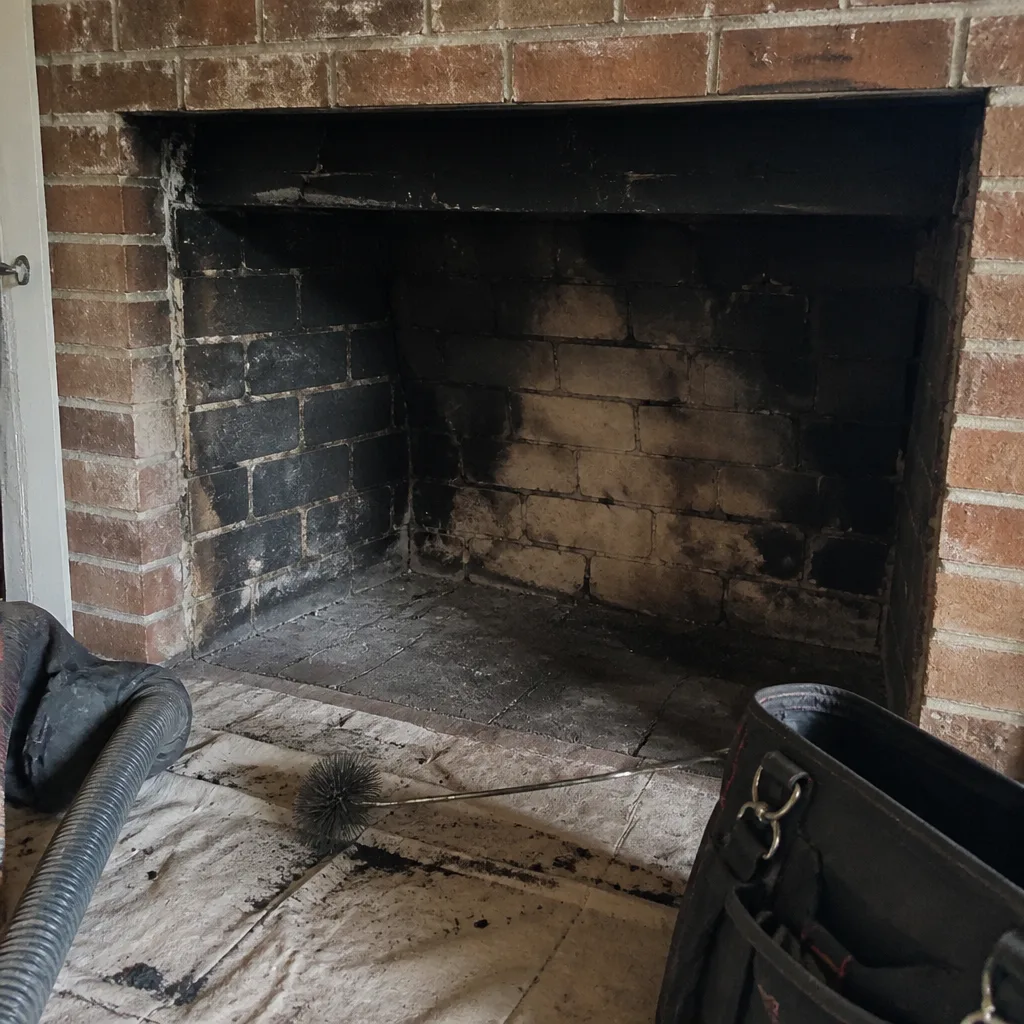
See the difference
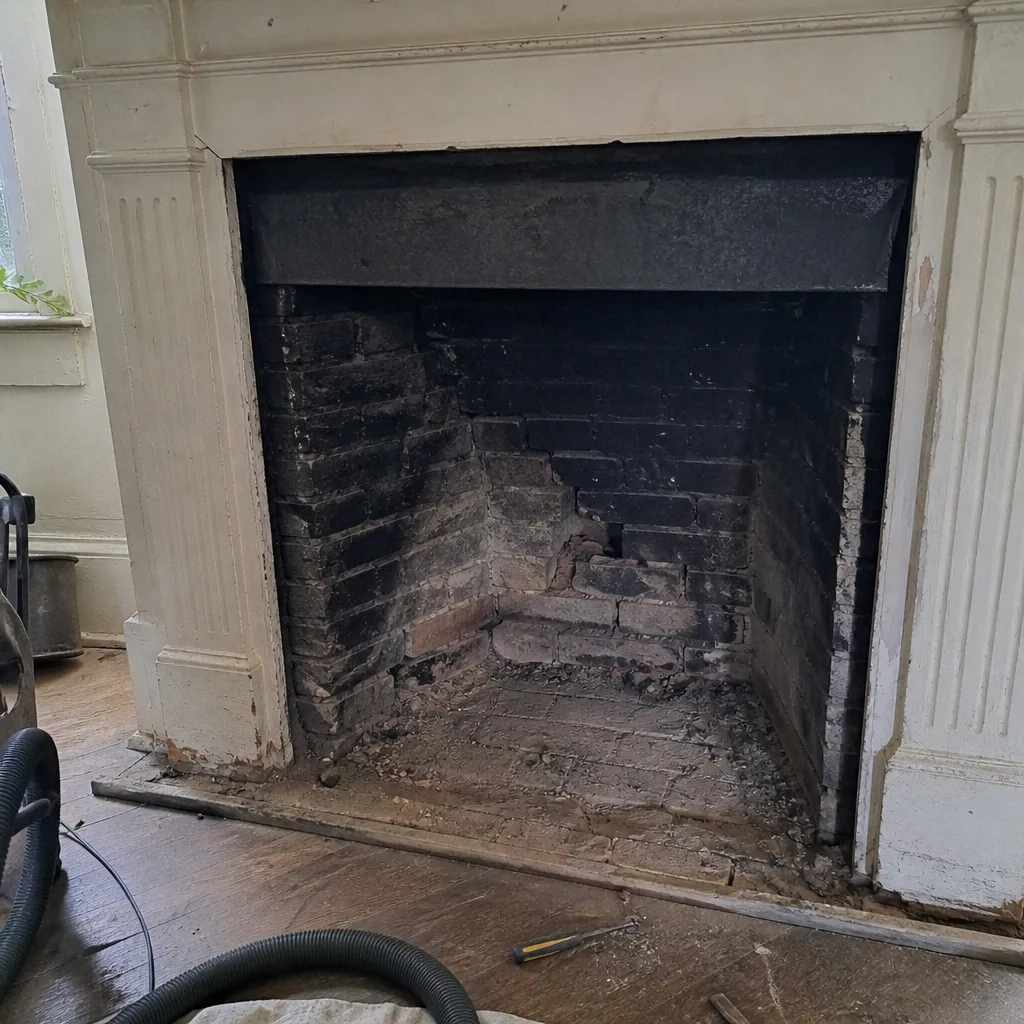 Before
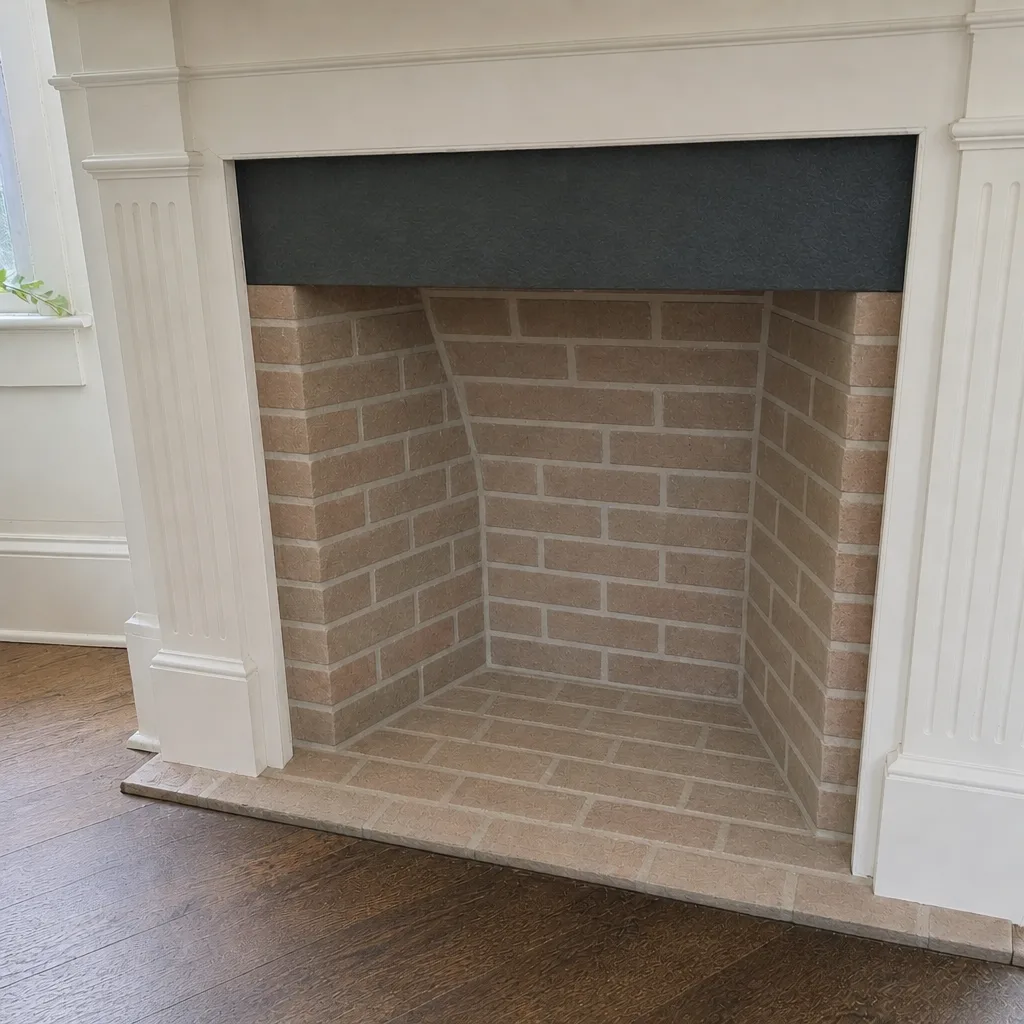 After
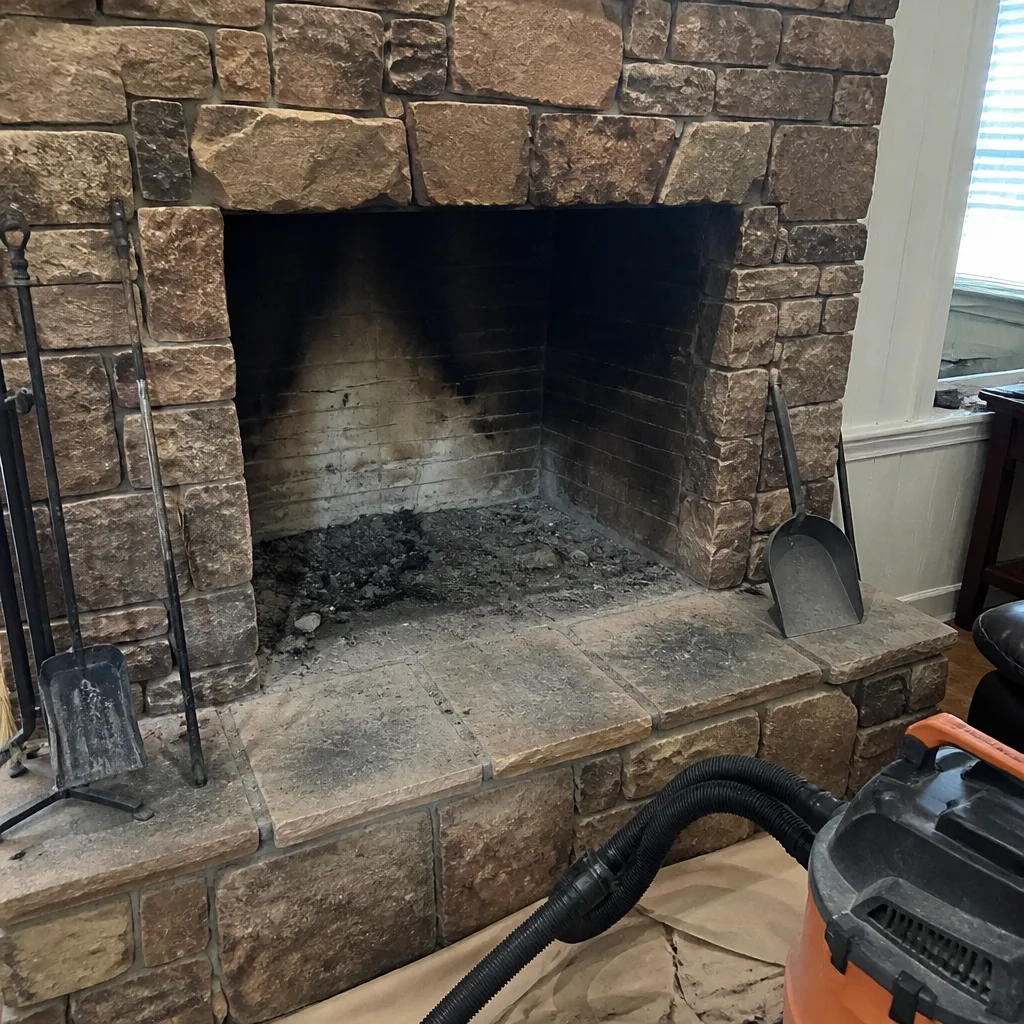 Before
 After
 Before
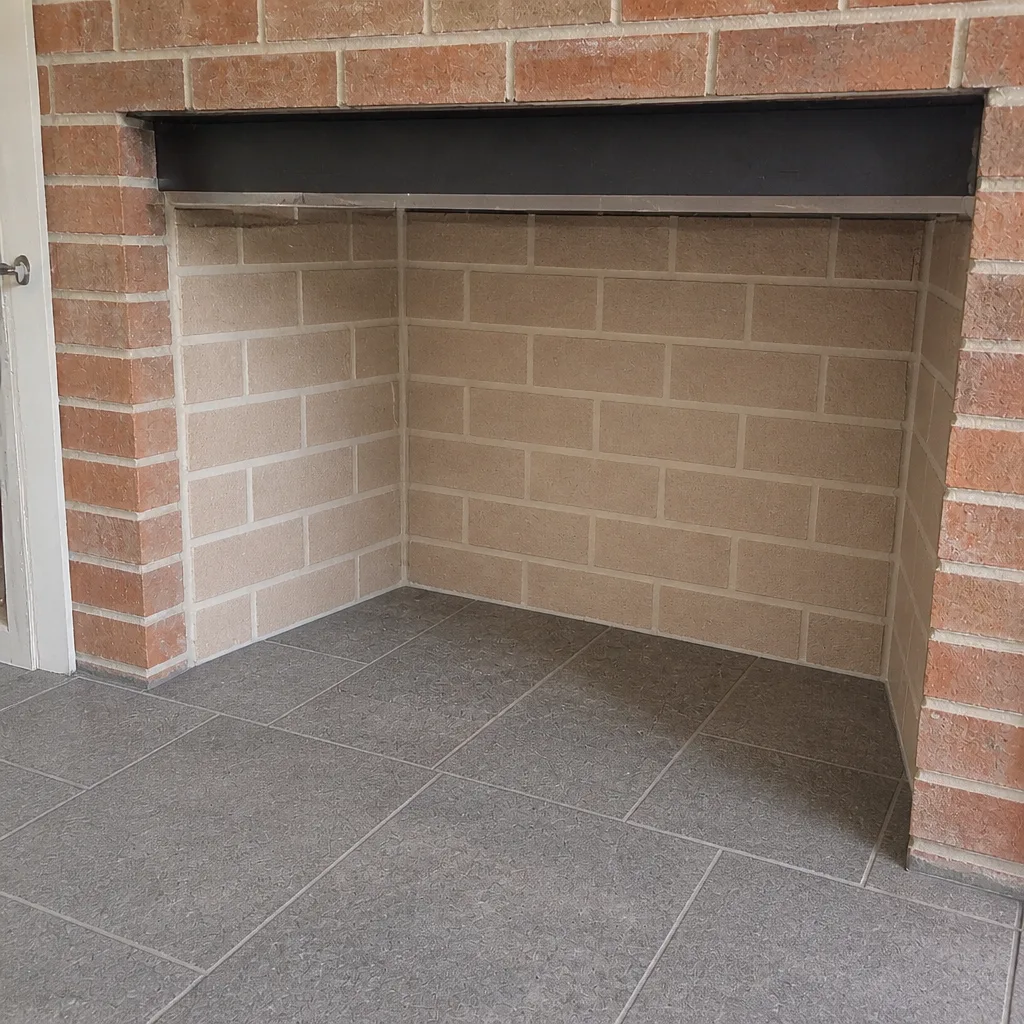 After
When to Call a Professional
Some situations call for a professional immediately, and some can wait. Call a chimney professional in Columbia if you smell a strong creosote odor in warm weather, if smoke backs into the room when you burn, if your chimney cap is damaged or missing, or if it’s been more than a year since the last cleaning and inspection. If you’ve never had the flue inspected and you’re burning wood, book an inspection before the next fire. If a recommendation for liner or masonry work is being pitched to you, ask for camera evidence you can see. And if you’re not sure whether something warrants a visit, the phone call costs nothing. Rutherford Chimney Sweep offers free estimates in Columbia; call (844) 940-3007. We answer 24/7. Fast dispatch from 7am to 7pm, Sunday through Friday.
Frequently Asked Questions
A standard chimney sweep in Columbia typically runs in the low-to-mid hundreds, with inspection-inclusive quotes landing higher because they cover a camera check and written report. Any number you’re quoted by phone is an estimate; the written estimate after an inspection sets the final price. Call (844) 940-3007 for an exact quote. Estimates are free.
Only if the inspection shows liner damage that resurfacing or repair can’t fix. Cracked tiles, gaps at the joints, or heavy glaze can mean a liner job, but “needs a new liner” without camera evidence isn’t a diagnosis, it’s a sales pitch. Ask to see the footage. If the contractor can’t show you the problem, don’t authorize the work. Rutherford Chimney Sweep works with HeatShield resurfacing and DuraFlex liner systems, and we’ll tell you plainly when a repair can safely wait.
Most wood-burning chimneys should be swept and inspected once a year, ideally before the burning season. Gas appliances need inspection less often but still need an annual check. If you burn frequently, have your flue evaluated sooner; a sweep who reports the creosote level can tell you how your burning habits are affecting the flue.
Creosote builds up and glazes against the liner, raising the risk of a chimney fire. Blockages and cracked tiles can also let carbon monoxide back into the home. None of this happens on a schedule, which is why annual inspection matters. Skipping it doesn’t guarantee a fire, but it removes the early warning.
South Carolina doesn’t license chimney sweeps, so there’s no state credential to verify. That’s why CSIA certification is the meaningful check. It’s a voluntary, exam-based credential with an ethics code, and it’s verifiable in a public database. If a contractor can’t point you to it, ask what they have instead.
Yes, when the company is a dedicated specialist. Rutherford Chimney Sweep handles chimney sweep, chimney repair including relining and HeatShield resurfacing, and dryer vent cleaning in Columbia. One visit can cover two fire-risk systems in the same house. Call (844) 940-3007 to book; we answer 24/7 with fast dispatch from 7am to 7pm, Sunday through Friday.
The Bottom Line
Hiring a chimney contractor in Columbia comes down to verification, not vibes. Check the CSIA certification in the public database. Ask for the certificate of insurance and read it. Insist on an inspection with a written report and camera evidence before any repair work is proposed. Treat a flat-rate sweep with no inspection option as a warning, not a deal. And be skeptical of contractors who appear after storms or can’t provide a verifiable local address. The right contractor will answer your questions without hesitation, document what they find, and name the materials they use. That’s what separates a specialist from someone who added chimney work to fill the calendar. For free estimates in Columbia, call (844) 940-3007. We answer 24/7. Fast dispatch from 7am to 7pm, Sunday through Friday.
When you’re ready to compare a chimney sweep quote against what we’ve outlined here, Rutherford Chimney Sweep sends a written estimate with findings, photos, and brand-specified materials. Homeowners in Columbia can also combine the visit with dryer vent cleaning, so two hidden fire-risk systems get handled in one appointment.
Written by the team at Rutherford Chimney Sweep.