
Last updated November 15, 2026
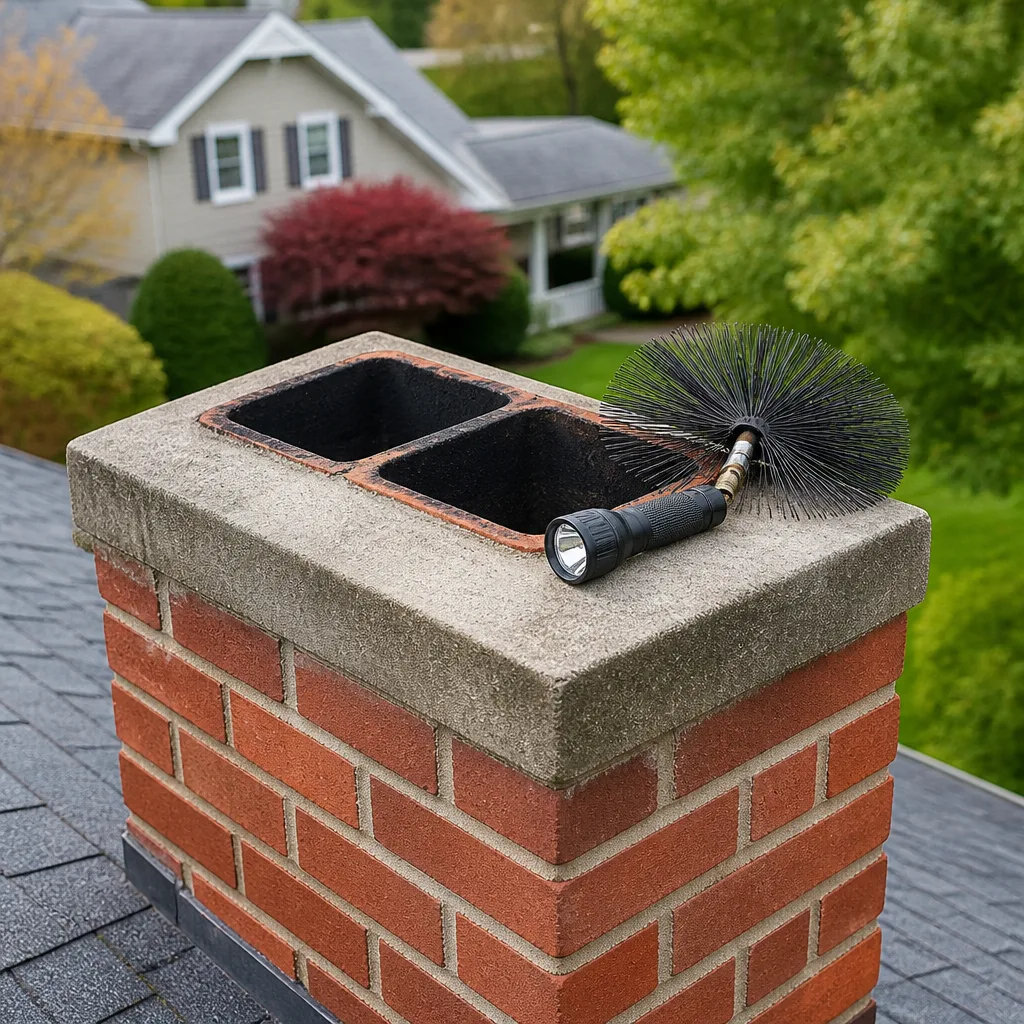 Sweep & inspection
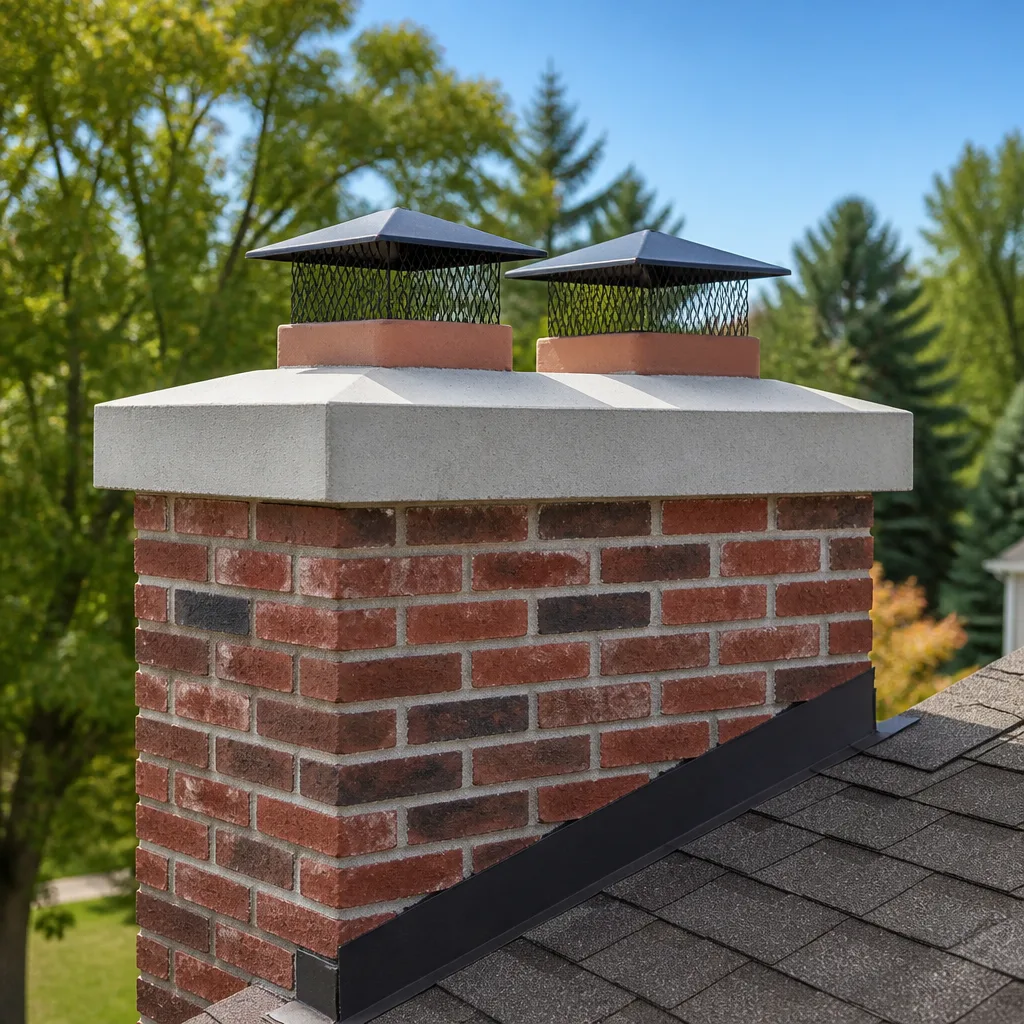 Caps & crowns
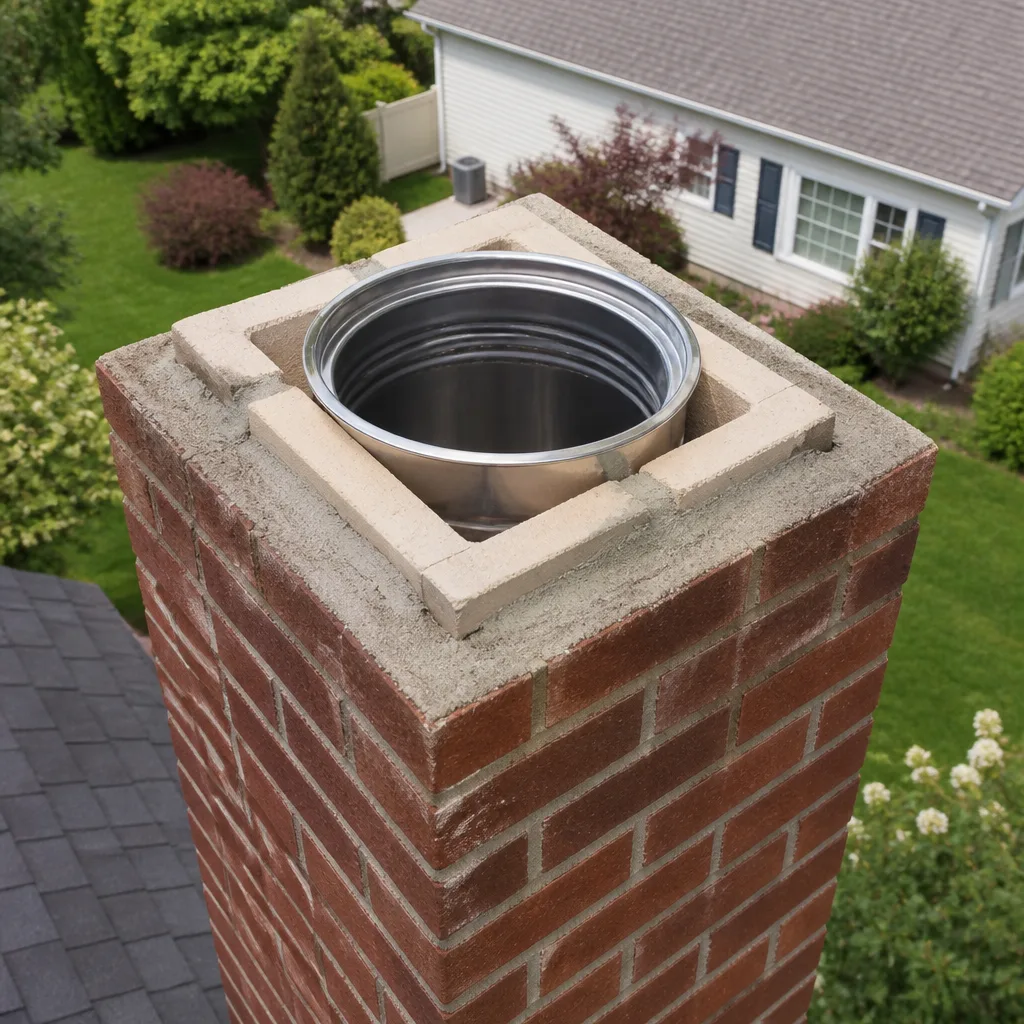 Flue relining
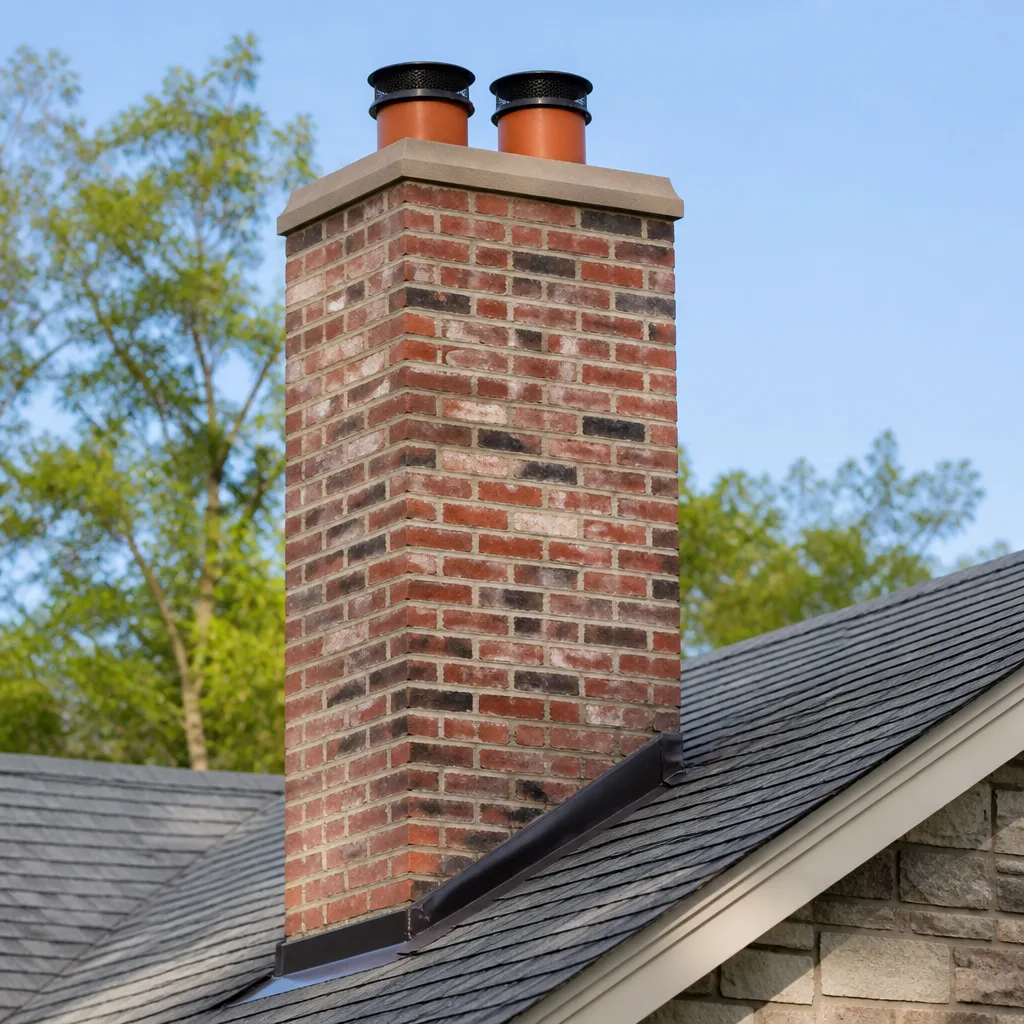 Masonry repair
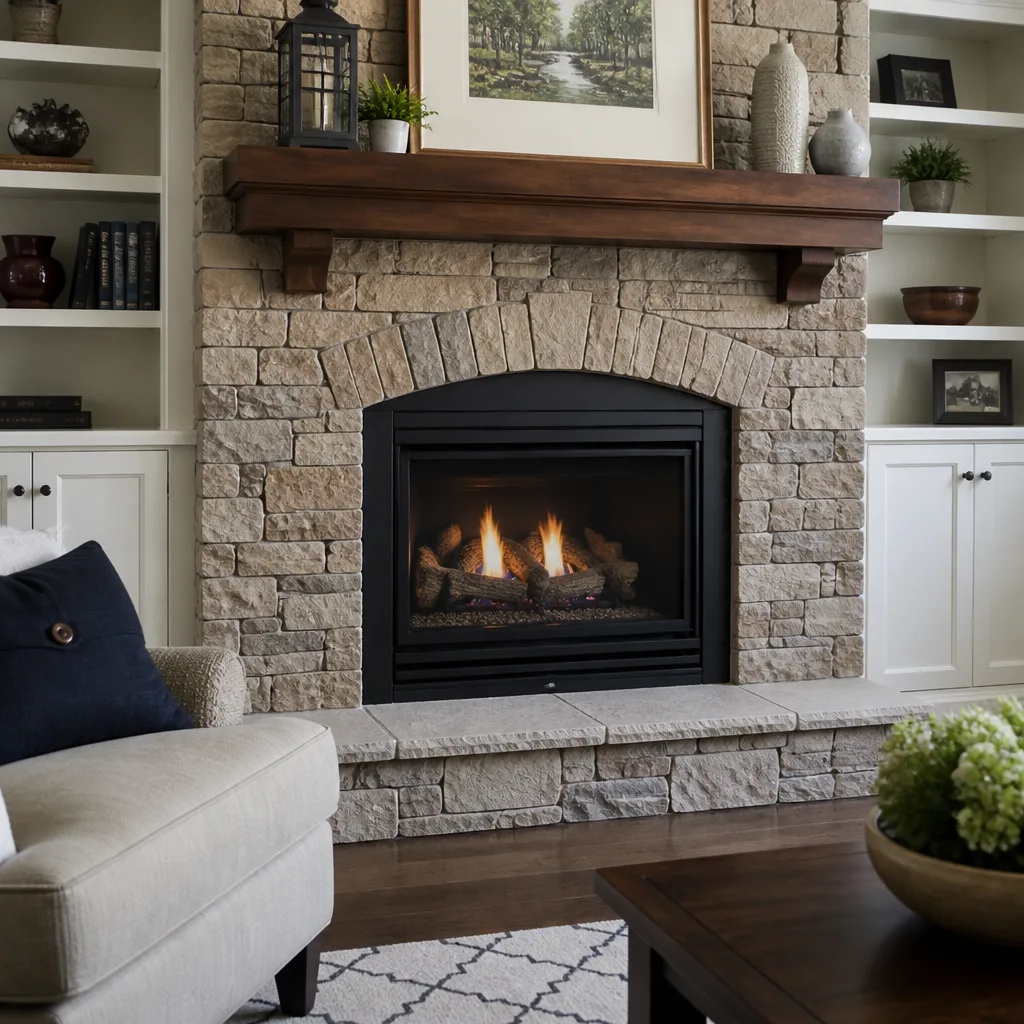 Gas fireplace service
Level 1 sweep and inspection to the NFPA 211 annual standard - flue, crown, cap, and flashing checked and photographed
Chimney sweep logs do not sweep chimneys. They loosen some creosote - which then falls where a brush and vacuum still have to collect it.
Chimney Cleaning Permits, Codes & Inspections in Columbia, SC: What You Need to Know
A chimney sweep visit is routine. But if that visit reveals a failed liner that needs replacement, you’ve just crossed into permitted work under South Carolina’s residential building code, and the contractor who doesn’t mention that is either uninformed or hoping you won’t ask. Most homeowners assume the whole trade runs on a handshake, so they never separate routine maintenance from regulated repair. That gap matters at resale, at an insurance claim, and sometimes at the kitchen table when a quote arrives with no paper trail behind it. This guide draws a clean line between what’s maintenance and what’s regulated work in Columbia, and it tells you which questions to ask before anyone touches your flue.
Quick Answer
In Columbia, SC, routine chimney cleaning and inspection are maintenance and don’t require a permit. Flue relining, chimney rebuilds, and appliance installation or replacement are repair or alteration work, and Richland County generally requires a permit for those. A Level 2 inspection, which includes a video scan of the flue, is the document buyers, lenders, and insurers most often ask for during a Columbia real estate transaction.
Styles & brands we work with
- Sweep & inspection
- Caps & crowns
- Flue relining
- Masonry repair
- Gas fireplace service
Table of Contents
- Maintenance vs. Repair: Where Columbia Homeowners Cross the Permit Line
- What Richland County Actually Requires a Permit For
- Why NFPA 211 Matters and How to Spot a Contractor Who Knows It
- The Level 2 Inspection and Real Estate in Columbia
- What an Unpermitted Repair Looks Like on a Home Inspection Report
- How Columbia’s Climate and Burning Season Affect Your Chimney’s Condition
- How to Build a Paper Trail Your Insurer Will Accept
- A Step-by-Step Guide to Getting Chimney Work Done Right
Maintenance vs. Repair: Where Columbia Homeowners Cross the Permit Line
The South Carolina Residential Code treats a chimney as part of the building structure, and that’s the hinge the whole permit question swings on. Cleaning, sweeping, and a visual inspection are maintenance. Nobody needs a permit to sweep creosote out of a flue. The moment the work changes the physical chimney system, you’ve moved into a different category.
The residential code groups chimney and venting work under mechanical and building provisions that apply to the appliance and its venting system. Alteration or repair of a chimney flue, replacement of a liner, rebuilding a chimney above the roofline, or swapping out a wood stove or insert all fall on the regulated side. A good rule of thumb for Columbia homeowners: if the work puts a tool, a material, or a component permanently into the chimney, ask whether a permit is required before work starts.
Which work is maintenance
- Sweeping creosote and soot from a flue
- A Level 1 visual inspection of accessible portions
- Removing a bird nest or debris from the flue
- Checking and adjusting a cap that’s already in place
- Visual checks of the firebox and damper
Which work is repair or alteration
- Installing or replacing a flue liner
- Rebuilding a chimney crown, stack, or masonry above the roof
- Installing or replacing a wood stove, insert, or gas appliance and its venting
- Resurfacing a deteriorating flue with a cast-in-place liner system
- Cutting into a chimney to add a new flue or connection
We’ve seen plenty of Columbia homeowners get a quote for relining and never hear the word permit mentioned. If a contractor skips that conversation entirely, it’s worth asking directly. The answer tells you a lot about how the rest of the job will go. For the cleaning side, our chimney sweep page lays out what a routine visit covers.
What Richland County Actually Requires a Permit For
Richland County issues building permits for structural and mechanical work, and chimney repairs fall inside those categories. If your home sits inside Columbia city limits, the city’s building department may be the issuing authority rather than the county; the process and the standards are similar, but you or your contractor need to confirm which office has jurisdiction before work is scheduled.
What that means in practice: a flue relining job, a chimney rebuild, or a new appliance installation should be permitted. It is not your job to figure out the paperwork. It is the contractor’s job, and any chimney professional who works in Columbia regularly knows the drill. What you should ask is simple and direct:
- Will this job require a permit, and who pulls it?
- Do you schedule the inspection, or do I?
- Will I receive the signed-off permit documentation when the job closes?
Why the paper trail matters more than the sticker
An inspection sign-off is a record. It says a code official looked at the installation and found it met the residential code. That record follows the house. When you sell, a buyer’s inspector will flag unpermitted work if it’s visible, and the buyer’s lender may ask for documentation on any recent chimney or appliance work. When you file an insurance claim after a chimney fire, an adjuster who finds unpermitted relining has a legitimate reason to push back. The permit is cheap insurance against a long argument.
If you’re in the middle of a repair decision, our Rutherford Chimney Sweep team can walk through what a relining job involves and whether it needs a permit before we ever quote a number.
Why NFPA 211 Matters and How to Spot a Contractor Who Knows It
NFPA 211 is the national standard for chimneys, fireplaces, vents, and solid-fuel-burning appliances. It’s the document the residential code leans on when it comes to clearances, liner sizing, and inspection levels. Contractors who reference it by name are working from a recognized standard. Contractors who’ve never heard of it are guessing.
That distinction shows up in how a chimney professional talks about a job. Someone who knows NFPA 211 will explain why a liner needs to be sized to the appliance, why a flue for a wood stove isn’t the same as a flue for a furnace, and why an unlined chimney is a problem even if it drafts fine today. They’ll talk about clearance to combustibles from a stovepipe. They’ll describe inspection levels by number, because the standard defines them.
The three inspection levels, briefly
- Level 1: A visual inspection of readily accessible parts of the chimney during a routine sweep. Appropriate for a chimney under regular use with no changes to the system.
- Level 2: Everything in a Level 1 plus a video scan of the flue interior and inspection of accessible attics, crawlspaces, and other areas. Required when a property changes hands, when an appliance changes, or after a chimney fire or earthquake.
- Level 3: A Level 2 plus investigation of concealed areas, which may require removing parts of the chimney or building. Reserved for specific diagnostic situations.
In Columbia, a Level 2 inspection is the one that comes up most often, because it’s the one tied to real estate transactions and insurance documentation. When we perform one, the camera footage and a written report go to the homeowner. You see what we see. If the flue is sound, we say so. If it needs resurfacing, we can apply HeatShield to restore the interior of a deteriorating liner without tearing the chimney apart, and the footage shows the before and after. That’s the standard the report should meet.
The Level 2 Inspection and Real Estate in Columbia
When a house in Columbia changes hands, the standard home inspection typically flags the fireplace and chimney as an area of concern. A general inspector can look at the firebox and report what’s visible. They can’t scan a flue. That’s when a Level 2 inspection gets requested, and it’s the document buyers, lenders, and insurers most often ask for.
Here’s what that looks like in a Columbia transaction. A buyer’s agent requests a chimney inspection before closing. The inspection includes a video scan, and the report documents the condition of the flue and any defects. If the flue has cracks or gaps in the liner joints, the buyer has a negotiating point. If it’s in good condition, the seller has documentation that closes the question. Either way, the report does its job.
When a lender or insurer wants documentation
- After a chimney fire, before a policy renewal or claim payout
- When a wood stove or insert was installed by a prior owner and the buyer needs to know it was done correctly
- When an insurer’s underwriting review flags the fireplace as a risk category
- When a prior repair was done without a permit and the buyer’s inspector caught it
The Level 2 report, plus a permit record if the work was permitted, is what satisfies those requests. If the report reveals work that needs doing, the homeowner has a clear picture and a written record. If it doesn’t, they have documentation they can hand to anyone who asks. In Columbia, where plenty of older homes in neighborhoods like Shandon, Rosewood, and Forest Acres have original masonry chimneys, that documentation is worth having on hand before a transaction forces the issue.
Schedule the inspection before the closing date, not the week of. A report that arrives with time to spare gives everyone room to make decisions. A report that arrives the day before closing turns a small repair into a negotiation crisis.
What an Unpermitted Repair Looks Like on a Home Inspection Report
Unpermitted work doesn’t always announce itself. A relining job done without a permit can look fine from the outside. What catches it is the documentation gap: the buyer’s inspector sees a recently replaced liner, asks for the permit, and there isn’t one. That question mark becomes part of the inspection report even if the work itself was done correctly.
Home inspectors look for a handful of things that raise the permit question on a chimney:
- A new liner visible from the top of the flue with no corresponding record in the county permit system
- A wood stove or insert installed in a fireplace that appears original to the house
- Recent masonry work on a chimney stack with no visible inspection sticker or sign-off
- A chase cover or cap that’s clearly newer than the surrounding construction
- Venting or ductwork cut into a chimney with no documentation
How it affects resale
The practical effect is leverage. A buyer who sees unpermitted chimney work can ask the seller to pay for a Level 2 inspection, then ask for a credit or a repair based on what the inspection finds. Even when the work was done correctly, the seller has to prove it, which means a new inspection and sometimes a new permit. That’s time and money that could have been avoided by pulling the permit in the first place.
The other effect is at the insurance desk. An adjuster reviewing a claim on a chimney that was relined without a permit may ask for documentation that doesn’t exist. That doesn’t automatically deny a claim, but it complicates it. A homeowner who kept the permit and the inspection sign-off has a cleaner path.
If you’re buying a home in Columbia and the chimney has any recent work, ask for the documentation before you close. It’s a fair question, and a seller with nothing to hide will have it.
How Columbia’s Climate and Burning Season Affect Your Chimney’s Condition
Columbia sits in the Midlands of South Carolina, and the climate shapes how chimneys wear here. Winters are mild but not warm enough to skip the fireplace altogether. That means a lot of chimneys get used in short, intense bursts during the few cold stretches of the year, then sit idle for months. Short, hot fires followed by long dormant periods are harder on a chimney than steady, moderate use.
The other factor is humidity. Columbia summers are long, muggy, and warm, and a masonry chimney absorbs moisture from the air during the off season. That moisture works on the mortar joints, on the crown, and inside the flue. A chimney that was sound in March may show spalling brick or crumbling mortar by the following fall. The inspection finds those problems before they become expensive ones.
What this means for creosote
Creosote buildup happens when a fire burns cool or smolders, and it’s the fuel source for most chimney fires. In Columbia, a homeowner who lights a fire on a cool evening and then lets it smolder overnight is building up exactly the kind of creosote that needs sweeping before the next season. A fire that burns hot and clean leaves less behind.
The practical advice is straightforward. Burn dry, seasoned wood. Don’t choke the fire down to make it last. Have the chimney swept before the burning season starts, not after. And if you’ve burned through a stack of wood since the last sweep, have it looked at before the next one begins.
For homeowners in the Columbia area who want a routine inspection alongside the sweep, that’s the visit where most issues get caught early. We also handle dryer vent cleaning during the same appointment, because a lint-clogged dryer vent is the other hidden fire risk most Columbia homeowners never think to check.
How to Build a Paper Trail Your Insurer Will Accept
The documentation a chimney job should leave behind is short and specific. If a contractor hands you nothing but a receipt, you’re missing most of it. Ask for these four items and keep them together:
- The written estimate with a description of the work, the materials, and the price agreed before work starts.
- The permit, if the work required one, in the name of the property owner or the contractor pulling it. Ask which.
- The inspection report from the sweep, including a camera scan of the flue when the inspection was at Level 2.
- The final sign-off from the code official, if a permit was filed. This is the document that closes the permit and proves the work was inspected.
Why materials matter to the paperwork
The products a contractor installs are part of the record. When we reline a chimney, we use DuraFlex flexible liner systems, which are purpose-built for the job. When we resurface a deteriorating flue, we use HeatShield, a certified repair process that doesn’t require a full tear-out. Caps and venting components come from suppliers like Olympia Chimney and Copperfield. We name the brands because the materials matter when a homeowner, an inspector, or an insurer asks what was installed. A generic receipt that says “liner replaced” doesn’t answer the question. A specific one does.
If a repair can safely wait, we say so. Nothing gets recommended without camera evidence the homeowner can see, because the biggest worry a Columbia homeowner brings to a chimney inspection is being told they need thousands of dollars of work they have no way to verify. The footage settles it. You can see the flue interior for yourself.
A Step-by-Step Guide to Getting Chimney Work Done Right
The sequence matters. Following these steps keeps you out of the permit gap and gives you documentation if anyone asks later.
- Book a sweep and Level 1 inspection before burning season. In Columbia, that’s usually in the fall, before the first real cold snap. The sweep clears the flue and the inspection catches what’s visible.
- Ask the technician what the camera scan would show. If they haven’t scanned, ask for a Level 2 inspection, especially if the chimney hasn’t been looked at in years or the house is changing hands.
- Get the inspection report in writing. The report should include the camera footage and a plain description of the condition of the flue, firebox, damper, and cap.
- Get a written estimate before any repair starts. The price is set per job by the written estimate, and the estimate should list the materials and the work.
- Ask whether the repair requires a permit. Relining, rebuilds, and appliance replacement usually do. If the contractor pulls it, ask for the final sign-off when the work closes.
- Keep the paperwork together. The estimate, the permit, the inspection report, and the sign-off. If you sell or file a claim, you’ll have it.
What to ask before booking
- Do you perform Level 2 inspections with a camera scan?
- Which lining and resurfacing brands do you install?
- Will the work require a Richland County permit, and who pulls it?
- Do you provide a written report after the visit?
Answering those four questions tells you more than any review score. A contractor who can answer them without hesitation is working from a standard. A contractor who can’t isn’t.
Common Mistakes to Avoid
- Skipping the permit on a relining job. The work can be done correctly and still create a resale problem if there’s no record. Ask first, not after.
- Treating the sweep as a rubber stamp. A sweep clears the flue, but the inspection is where the real information comes from. Two sentences of “looks fine” is not an inspection report.
- Jumping at the first repair quote without a camera scan. If a contractor recommends relining or resurfacing without showing you the flue interior, ask to see it. There’s no reason not to.
- Waiting until a real estate contract forces the inspection. In Columbia, buyers often request a Level 2 inspection late in the process. A panic inspection gives you no time to make a good decision. Schedule one on your own schedule.
- Ignoring the dryer vent. A clogged dryer vent is a fire risk, and Columbia homes run dryers heavily through long humid summers. Have it cleaned when the chimney is serviced.
- Letting a fire smolder overnight. It’s the fastest way to build up creosote in a Columbia climate where fires are lit in bursts. Burn hot, burn dry wood, and don’t bank a fire overnight.
- Filing an insurance claim without documentation. An adjuster will ask for the sweep report and the permit. Keep both.
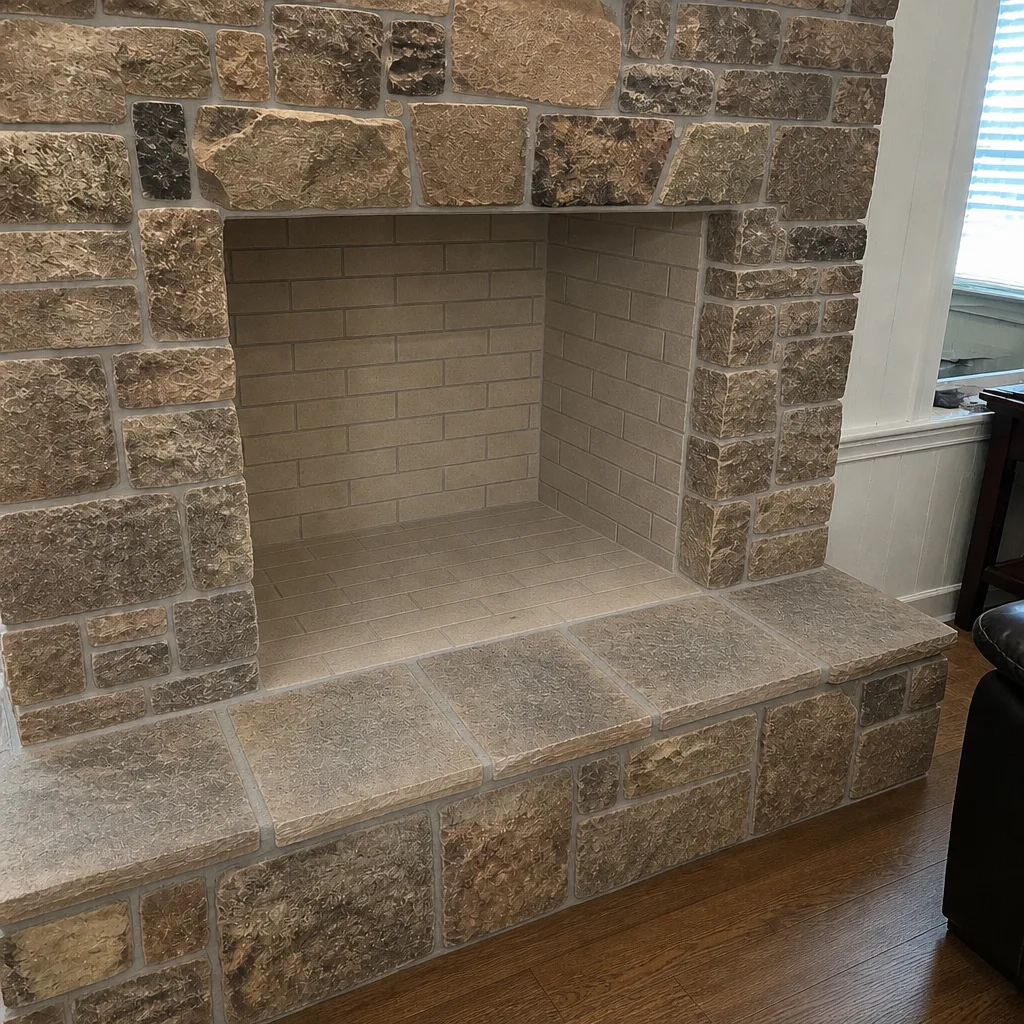
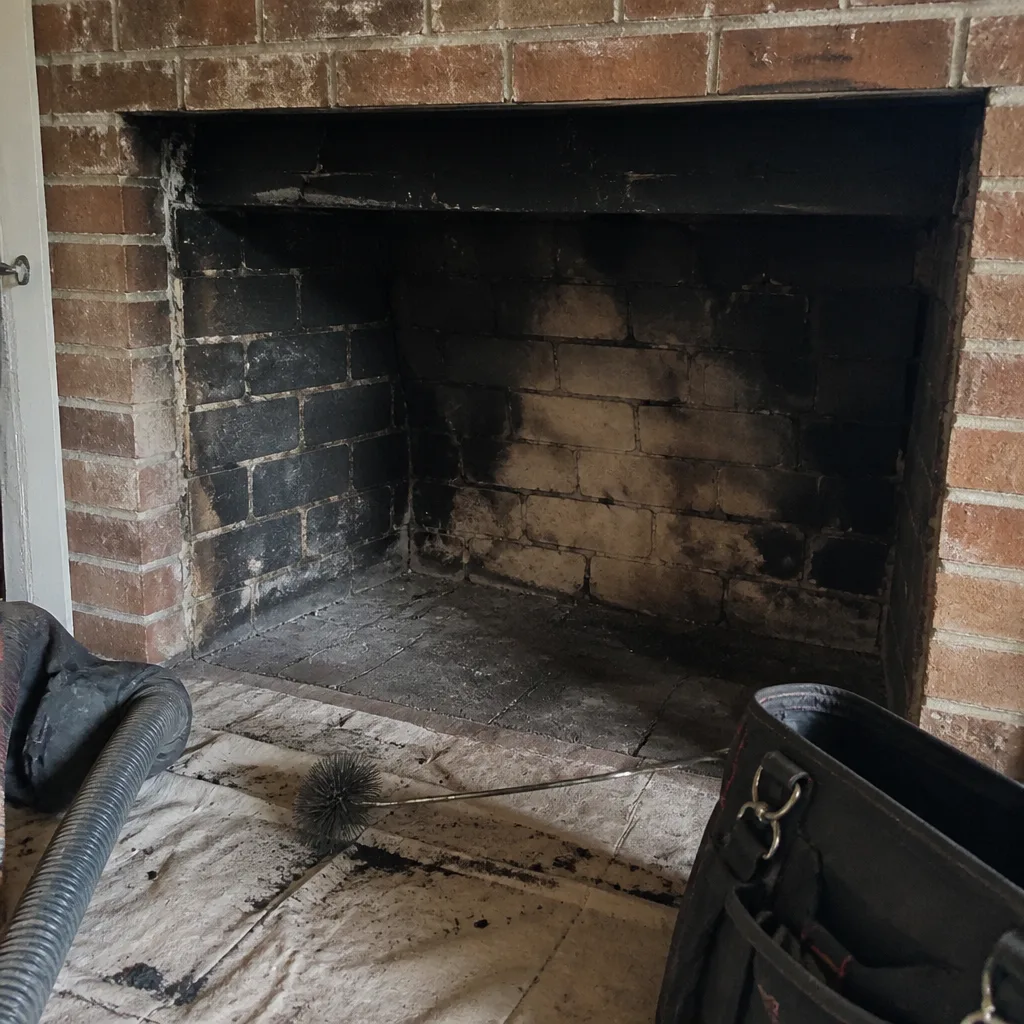
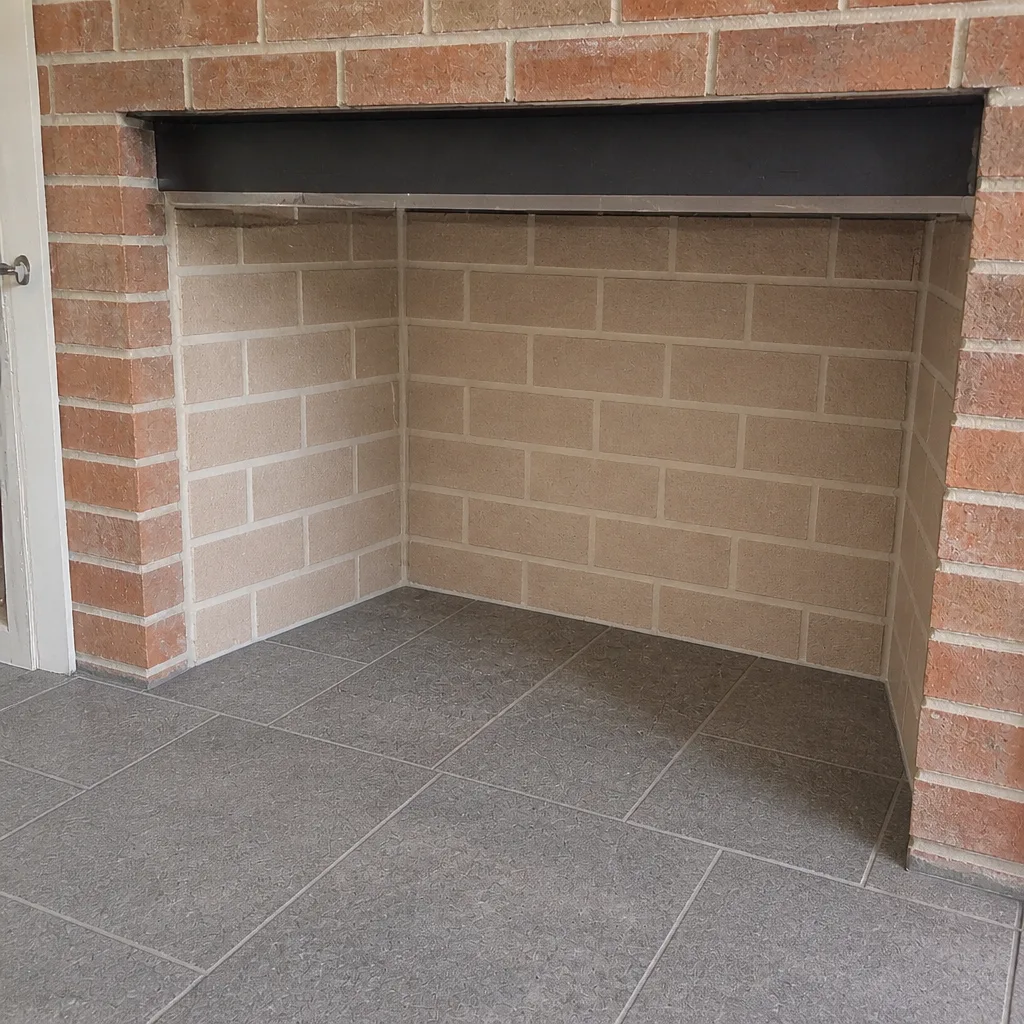
See the difference
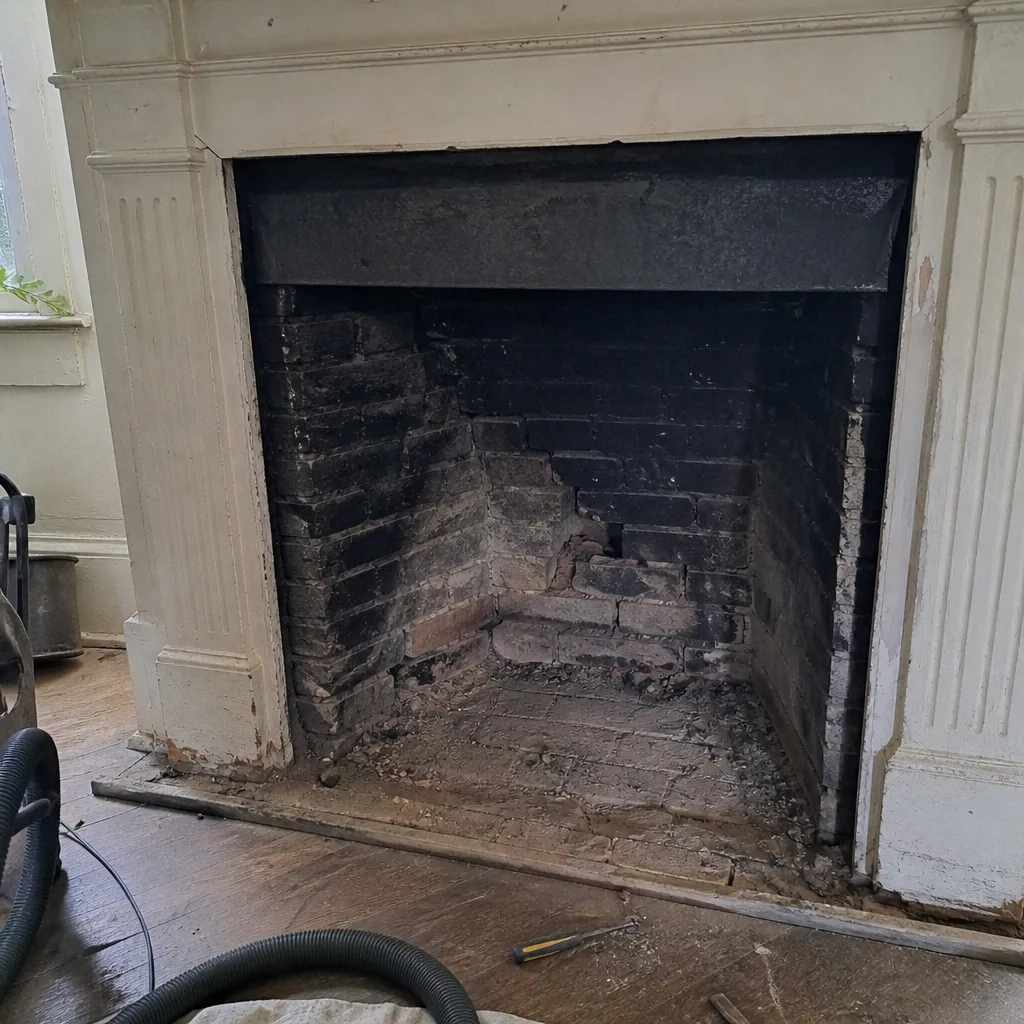 Before
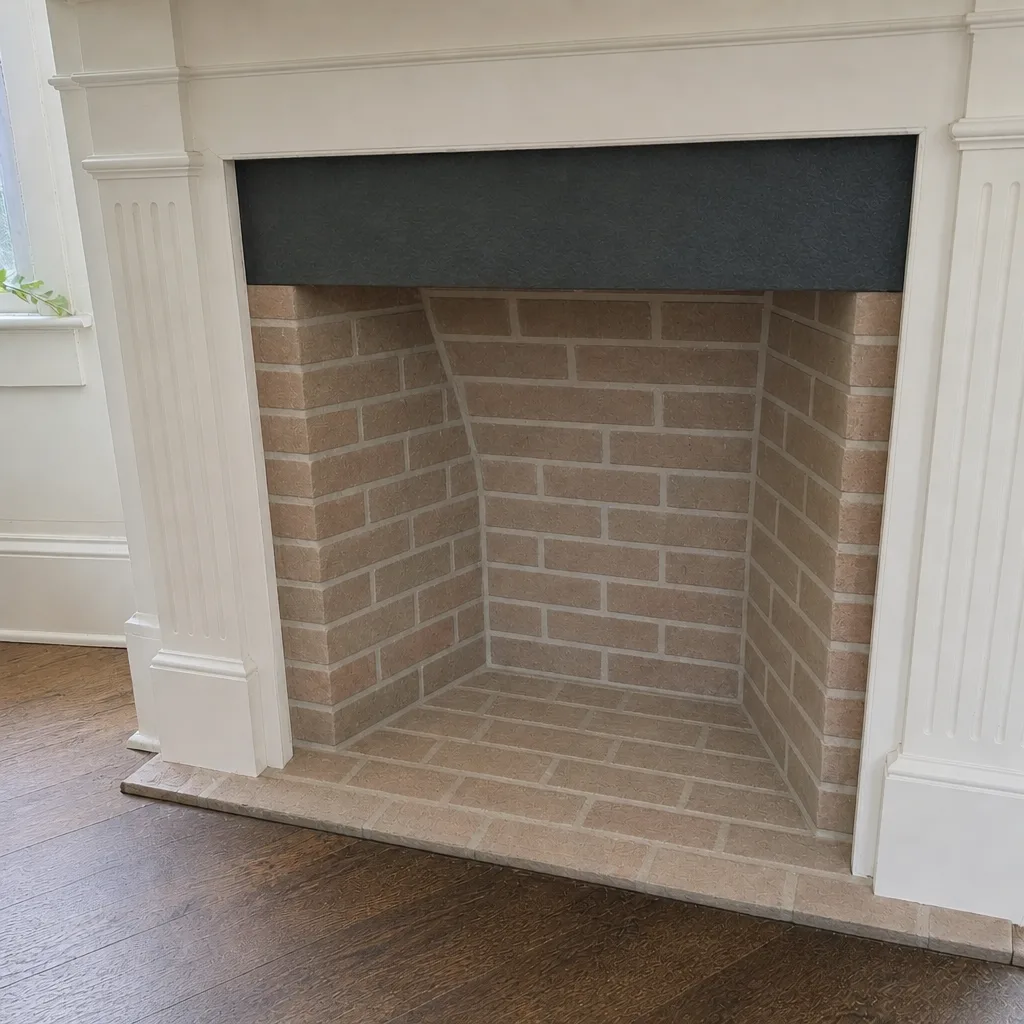 After
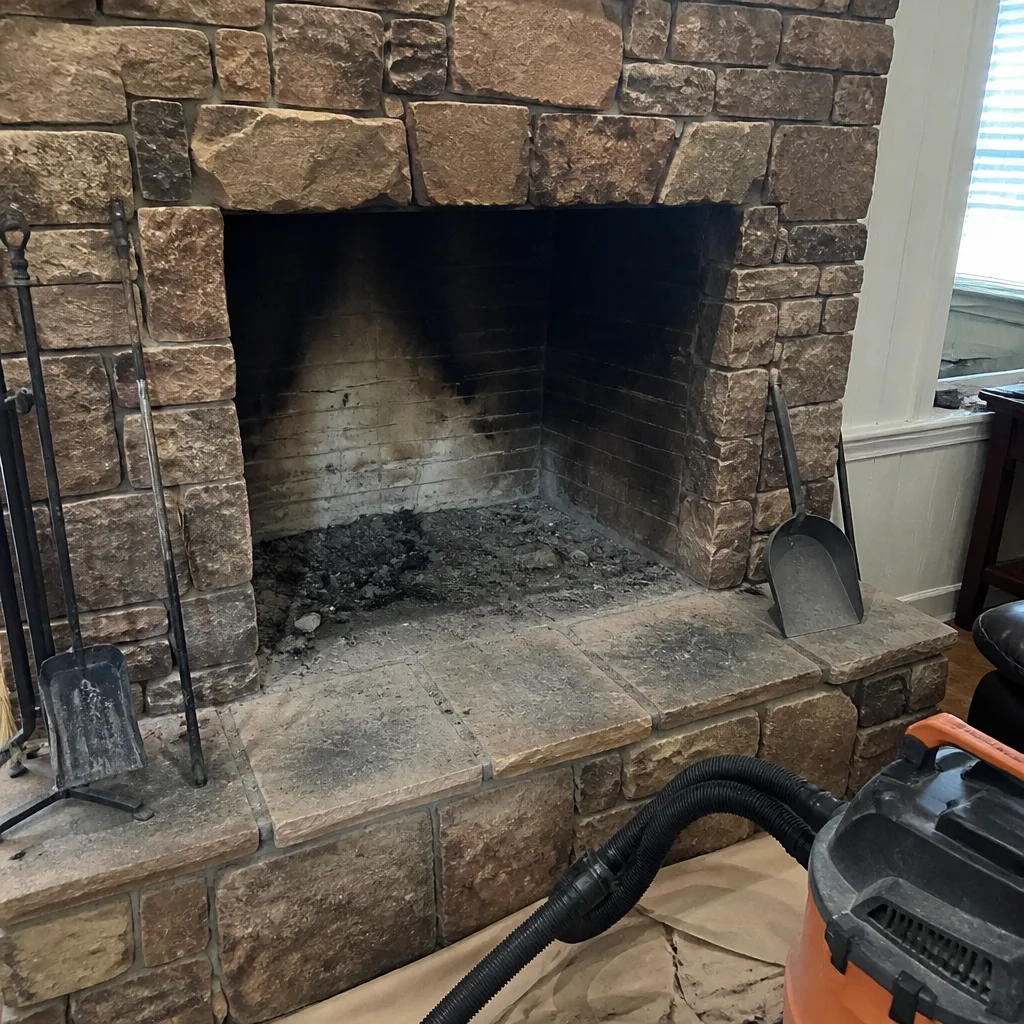 Before
 After
 Before
 After
When to Call a Professional
Call a chimney professional when the fire smokes back into the room, when the chimney smells of creosote on warm days, when the damper won’t open or close, or when the firebox shows cracks. Call when you’re buying or selling a home in Columbia and the chimney hasn’t been inspected recently. Call after a chimney fire. For the dangerous components of this trade like a damaged flue liner, a deteriorated firebox, or an installation, use a trained professional. A damaged liner is a carbon monoxide path into your home. Don’t diagnose it yourself and don’t patch a crack with hardware-store mortar.
Rutherford Chimney Sweep offers free estimates in Columbia. We answer 24/7. Fast dispatch from 7am to 7pm, Sunday through Friday. Call (844) 940-3007. Our technicians have up to 15 years of experience, and we’ll show you the camera footage before we recommend anything.
Frequently Asked Questions
No. Routine chimney cleaning and a Level 1 visual inspection are maintenance and don’t require a permit in Columbia, SC. A permit becomes relevant when the work changes the chimney system, such as liner replacement, a chimney rebuild, or a new appliance installation. Call (844) 940-3007 for an exact quote on cleaning or inspection, estimates are free.
Usually, yes. Richland County issues building permits for structural and mechanical work, and flue relining is treated as repair or alteration work under the South Carolina Residential Code. Your contractor should know whether the job requires a permit and should pull it. Ask before work starts. Call (844) 940-3007 for an exact quote, estimates are free.
A Level 2 inspection is everything in a Level 1 visual inspection plus a video scan of the flue interior and inspection of accessible attics and crawlspaces. NFPA 211 calls for one after a chimney fire, when an appliance changes, or when a property changes hands. In Columbia real estate transactions, it’s the report buyers, lenders, and insurers most often ask for.
It can. A home inspector who sees a recently installed liner or a newer stove with no permit record will flag the question in the report. Even when the work was done correctly, the documentation gap becomes a negotiating point at resale and can complicate an insurance claim. Call (844) 940-3007 for an exact quote, estimates are free.
Have the chimney swept once a year if you burn regularly, and always before the burning season starts. Columbia’s short, intense winters mean many homes burn in bursts, which builds creosote faster than steady use. If you’ve burned through a stack of wood since the last sweep, have it looked at before the next fire.
Only a camera scan of the flue can tell you that. A cracked, gapped, or missing liner is a real defect, and a failed liner is a path for carbon monoxide into the home. If a contractor recommends relining, ask to see the footage. Nothing should be recommended without camera evidence you can see yourself, and if the repair can safely wait, we say so.
The Bottom Line
Cleaning and inspection are maintenance. Relining, rebuilds, and appliance replacement usually require a Richland County permit, and the paper trail that follows those jobs matters at resale, at insurance, and at settlement. Ask whether the work is permitted. Ask for the camera scan. Ask for the report. A chimney professional who can answer those questions is working from a recognized standard, and the documentation you keep is the difference between a routine job and a complicated one down the road. Call Rutherford Chimney Sweep at (844) 940-3007 for a free estimate. We answer 24/7. Fast dispatch from 7am to 7pm, Sunday through Friday. The written estimate sets the final price, and the footage shows you what we found.
Written by the team at Rutherford Chimney Sweep.