
Last updated November 15, 2026
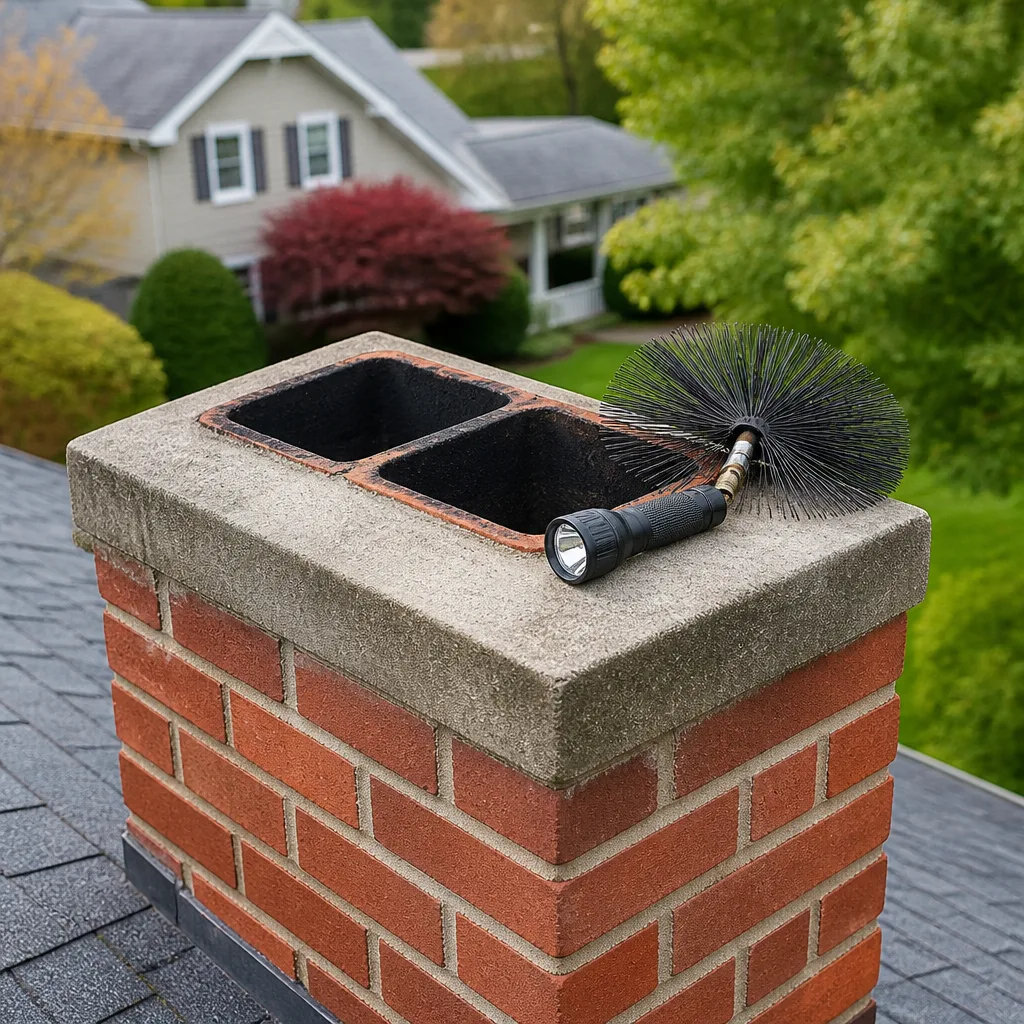 Sweep & inspection
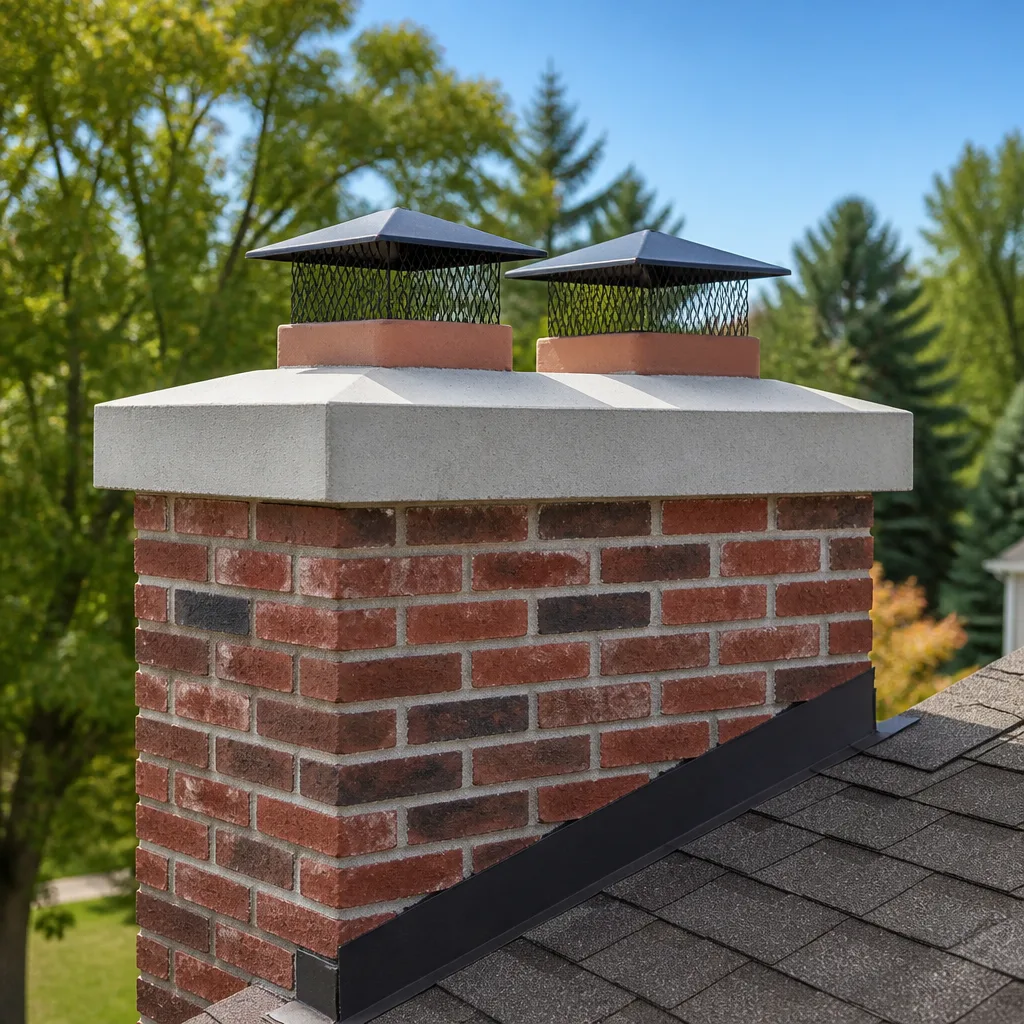 Caps & crowns
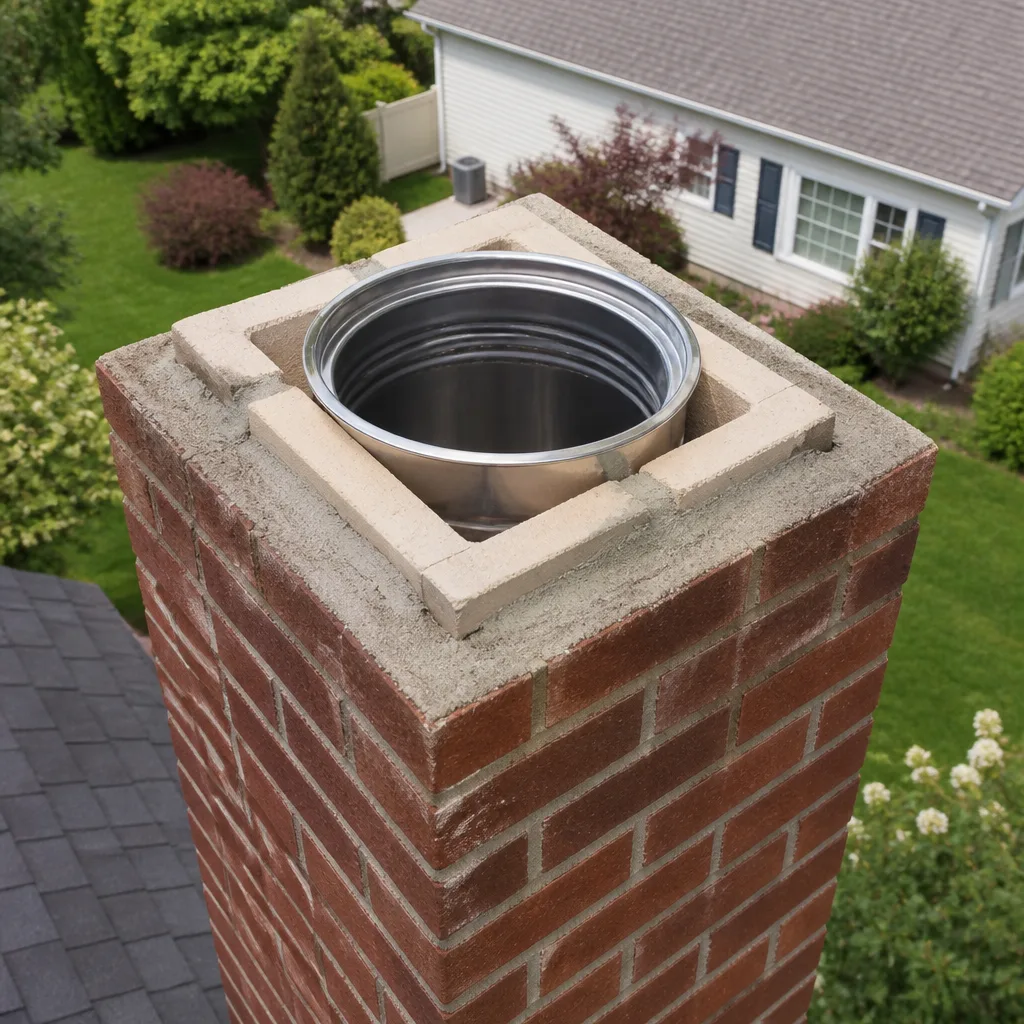 Flue relining
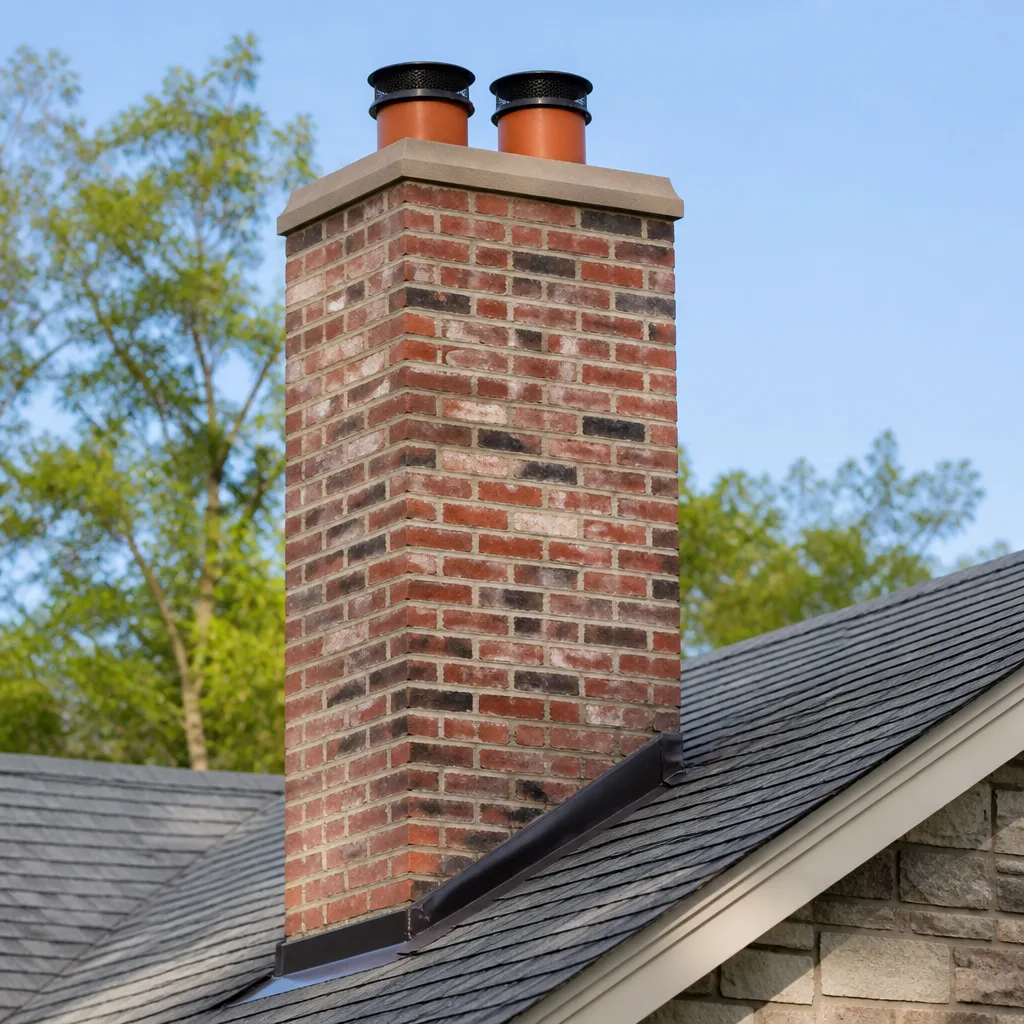 Masonry repair
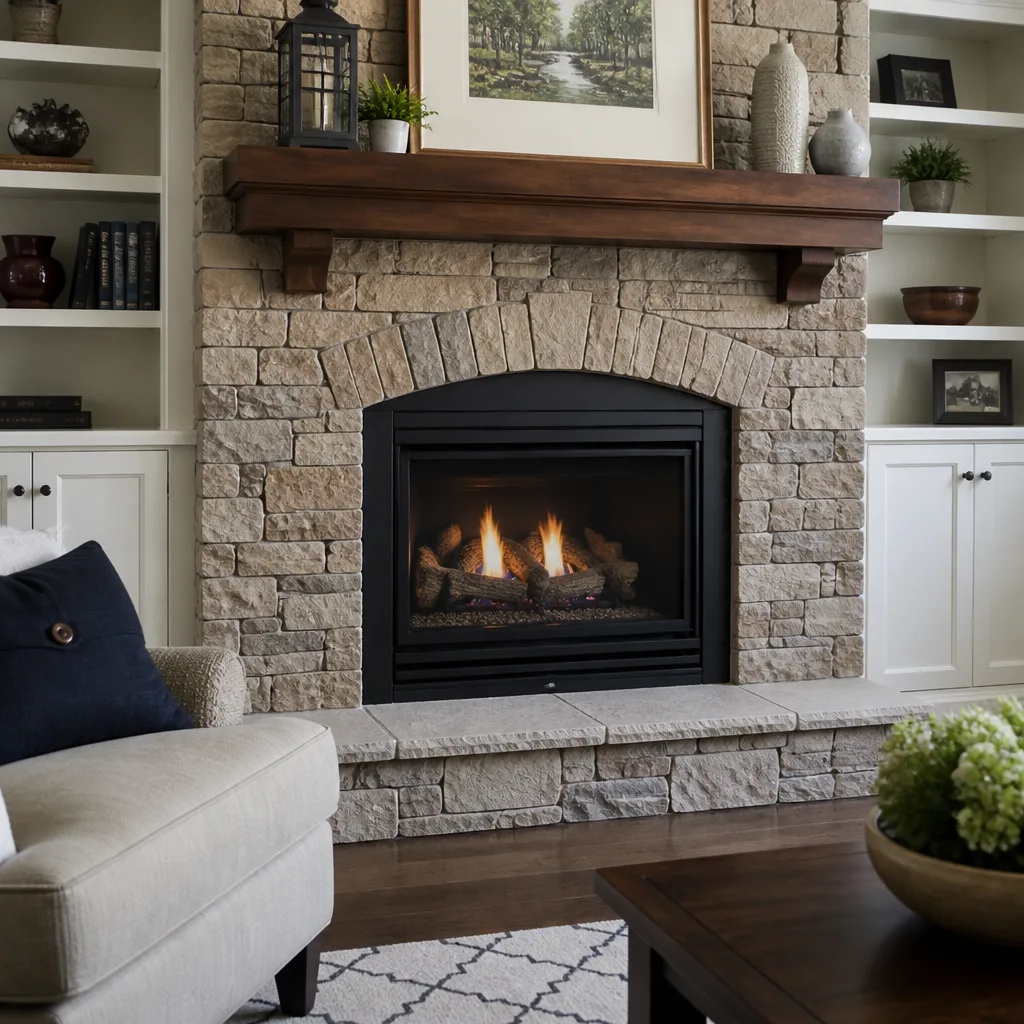 Gas fireplace service
Level 1 sweep and inspection to the NFPA 211 annual standard - flue, crown, cap, and flashing checked and photographed
Chimney sweep logs do not sweep chimneys. They loosen some creosote - which then falls where a brush and vacuum still have to collect it.
Chimney Sweep Maintenance Schedule: What to Do and When
Most Columbia homeowners schedule their sweep in October, right before the first cold snap, which is exactly when everyone else calls too. That timing has a hidden cost: your flue has sat closed through a humid South Carolina summer, and any moisture damage, animal nesting, or cracked crown has had months to quietly get worse. By the time you light that first fire, you’re burning in a system nobody has looked at since last spring. This guide lays out a maintenance calendar built around Columbia’s real burning season: what to check and when, which tasks are annual, which are tied to how much you burn, and which can wait a few years. You’ll finish with a schedule you can actually follow.
Quick Answer
Sweep and inspect your chimney once a year, and the best time in Columbia is late summer (August or September), before heating season starts and while the weather is still dry enough to catch off-season moisture and nesting problems. If you burn wood heavily, get it swept whenever creosote builds to about 1/8 inch, which may mean twice a year. Gas fireplace owners still need an annual inspection even though there’s no soot to sweep. Waterproofing and full liner assessments run on a multi-year cycle, not annually.
Styles & brands we work with
- Sweep & inspection
- Caps & crowns
- Flue relining
- Masonry repair
- Gas fireplace service
Table of Contents
- Why Late Summer Beats Fall for Your Sweep
- The Annual Tasks: What Happens Every Year
- Usage-Triggered Sweeping: When Once a Year Isn’t Enough
- Multi-Year Items: Waterproofing and Liner Assessment
- Gas Fireplace Owners: Why You Still Need a Sweep
- Creosote Stages and What They Mean for Your Schedule
- The Post-Storm Checklist for Columbia Weather
- Your Twelve-Month Schedule at a Glance
Why Late Summer Beats Fall for Your Sweep
The single biggest scheduling mistake we see is waiting until the leaves turn. By then, your chimney has been closed up through Columbia’s long, humid summer, and that trapped moisture does real damage to masonry, damper assemblies, and metal fireboxes. A flue that’s shut tight from April through September is a dark, damp cavity. That’s exactly the condition that promotes rust on a prefab unit, spalling on brick, and the kind of slow deterioration you don’t notice until something fails.
August and September give you a window where the weather is still warm enough to dry out any moisture you find, and there’s still time to schedule repair work before you need the fireplace. If a sweep in late summer turns up a cracked crown or a failing liner, you have weeks to fix it. If the same problem turns up in late October, you’re either burning in a compromised system or making a rushed decision.
There’s also the nesting problem. Birds, squirrels, and raccoons treat an unused chimney as prime real estate, and a summer’s worth of nesting material is a fire hazard and a blockage. A late-summer sweep clears it before you ever strike a match. When you book a chimney sweep in August, you’re catching the whole season’s accumulation in one visit.
Fall scheduling isn’t wrong, exactly. It’s just crowded, and it leaves less margin if repairs come up. Booking ahead is simply the calmer path.
The Annual Tasks: What Happens Every Year
Once a year, without exception, your chimney needs a cleaning and a full inspection. These are two different things, and good practice does both in one visit.
- Visual inspection of the firebox and flue. We look for cracks in the firebox brick, gaps in the mortar joints, and any sign the flue liner has shifted or deteriorated.
- Creosote removal. A proper sweep brushes the flue and removes built-up creosote from the smoke chamber and damper area. This is the fire-risk reduction step, and it’s the reason the annual sweep exists.
- Cap and crown check. The cap keeps rain, animals, and debris out. The crown sheds water off the top of the masonry. Both wear, and both are cheap to fix when caught early.
- Damper operation. The damper should open, close, and seal properly. A damper stuck partly open wastes heat and lets cold air in.
- Exterior check. From the ground and roofline, we look at flashing where the chimney meets the roof, the condition of the masonry, and any staining that suggests water intrusion.
This annual visit is also where a technician can tell you whether the system needs anything beyond cleaning. If the flue liner is deteriorating but not yet failed, we can discuss resurfacing options like HeatShield rather than jumping straight to a full reline. That conversation only happens if someone is actually looking once a year.
Usage-Triggered Sweeping: When Once a Year Isn’t Enough
The annual sweep is a floor, not a ceiling. How often you actually need a sweep depends on how much wood you burn and how you burn it. A homeowner who lights a fire a few times a month has a very different creosote accumulation than someone running the fireplace as primary heat from November through February.
Here’s a working rule: check the flue for creosote buildup every couple of months during heavy burning, and sweep whenever it reaches about 1/8 inch. That’s a thin glaze, but it’s enough to be a fire risk. For a heavy burner, that threshold can arrive twice in one heating season.
- Light use (occasional fires, a few times a month): one annual sweep is usually sufficient.
- Moderate use (several fires a week in season): one sweep mid-season and one at the end.
- Heavy use (primary heat, daily fires): inspect monthly, sweep when creosote builds, which may be every few weeks of steady burning.
Burn quality matters as much as burn frequency. Seasoned, dry wood produces less creosote than green or damp wood, and a hot, well-ventilated fire leaves less residue than a slow, smoldering one. If you’re burning unseasoned wood, your schedule tightens. It’s also worth knowing that a dryer vent cleaning can be folded into the same appointment, since a clogged dryer vent is its own fire risk and often gets forgotten while everyone focuses on the fireplace.
Multi-Year Items: Waterproofing and Liner Assessment
Not everything runs on an annual clock. Some of the most important maintenance tasks are on a multi-year cycle, and knowing which is which keeps you from overpaying for work you don’t need or deferring work that’s actually urgent.
Waterproofing is typically a multi-year treatment. Masonry is porous, and in Columbia’s humid summers and heavy spring rains, unprotected brick and mortar absorb water, then release it through freeze-thaw cycles in the colder months. That cycle is what causes spalling and crumbling. A breathable masonry water repellent applied on a multi-year cycle slows that process considerably. If your chimney has never been waterproofed, it’s worth asking about.
Liner assessment deserves a closer look every few years, even when the annual inspection looks fine. Clay tile liners crack with heat cycling and age, and a crack that starts small can let heat reach the surrounding structure, which is a real fire risk. When we find a deteriorating liner that hasn’t failed, we’ve found that resurfacing systems such as HeatShield can restore the flue without tearing it out. When the liner is beyond resurfacing, a full reline with a flexible stainless system like DuraFlex is the durable fix.
Think of it this way: annual tasks are maintenance, and multi-year tasks are structural. Both matter, but they’re not the same line item, and they don’t belong on the same schedule.
Gas Fireplace Owners: Why You Still Need a Sweep
Here’s the assumption that catches a lot of gas fireplace owners: “There’s no wood, no soot, no problem.” That’s the wrong conclusion, and it’s a common one. A gas fireplace doesn’t produce the creosote a wood fire does, but it still needs an annual inspection.
Gas fireplaces have their own maintenance needs. The pilot, burners, and logs accumulate dust, lint, and debris over a year, and that residue can affect combustion and airflow. Spiders and insects nest in venting and burner compartments during the warmer months, and a blocked vent on a gas appliance is a carbon monoxide concern. Oxidation and corrosion can develop in the venting system, particularly in a humid climate. None of that shows up as soot, and none of it announces itself. An annual inspection catches it.
- Pilot and burner assembly inspection for debris and proper flame pattern.
- Venting inspection for blockages, nesting, and oxidation.
- Glass, gasket, and seal condition.
- Log placement and combustion safety check.
A gas fireplace is a clean-burning appliance, but clean fuel doesn’t mean a clean system. Skipping the annual visit is how small issues become safety issues. If you’re in the Columbia area and haven’t had your gas fireplace looked at this year, that’s the one task worth scheduling soon.
Creosote Stages and What They Mean for Your Schedule
Creosote is the tar-like residue left by wood smoke, and it builds up in three recognizable stages. Understanding them tells you whether a single annual sweep is enough or whether your burning habits push you to a tighter schedule.
Stage one is soft and flaky, a light sooty coating. It’s the easiest to remove and the kind you’ll see with regular, hot, well-seasoned fires. A routine sweep handles it.
Stage two is harder, crusty, and more stubborn. It indicates heavier use or cooler, less efficient burning. It still comes off with the right tools, but it’s building toward a problem, and it’s a signal to look at your burning habits.
Stage three is a glazed, hardened layer that’s genuinely difficult to remove and represents a serious fire risk. This is what forms with repeated smoldering fires, damp wood, or long intervals between sweeps. Stage three creosote is the reason the annual sweep and the usage-based check both matter. The more often you burn and the poorer your fuel, the faster you move toward it.
A Rutherford Chimney Sweep inspection will tell you which stage you’re at and what it means for your schedule. If you’re seeing glazed buildup, that’s a conversation worth having before the season starts.
The Post-Storm Checklist for Columbia Weather
Columbia gets its share of high winds and heavy rain through the year, and both take a toll on chimneys that the annual inspection can miss if a storm lands mid-season. Here’s the checklist we’d run after any significant weather event.
- Check the cap. High winds can loosen or dislodge a cap, and a missing cap lets rain and animals straight into the flue. If yours is damaged, replacement with a purpose-built cap from a supplier like Gelco is a straightforward fix.
- Inspect the flashing. The flashing is the metal seal where the chimney penetrates the roof. Heavy rain exposes a flashing failure fast, so look for staining on the ceiling or walls near the chimney. That’s a flashing leak, not a chimney leak.
- Look at the crown. A cracked crown lets water soak into the masonry from above. Small cracks are paintable; larger ones need repair.
- Check for fallen debris. Wind brings down branches and leaves that can lodge in the flue. If you hear anything rattling down the chimney after a storm, get it checked before you burn.
- Examine the exterior masonry. Look for new cracks, loose mortar, or shifted bricks, especially after a freeze-thaw cycle.
These checks add a seasonal layer to your annual maintenance, and they’re quick. Catching storm damage early is the difference between a small repair and a bigger one.
Your Twelve-Month Schedule at a Glance
Putting it together, here’s how a year of chimney maintenance looks for a typical Columbia home. Use it as a starting framework and adjust for your fuel type and how much you burn.
- Late summer (August-September): Annual sweep and full inspection. Watch for off-season moisture, nesting, and storm damage before the first fire.
- Early fall (October): Address anything found in the sweep: cap replacement, minor crown repair, waterproofing. Fix it now, before demand peaks.
- Mid-winter (January): For heavy burners, schedule a check or a second sweep. Confirm creosote hasn’t reached 1/8 inch.
- Spring (April-May): End-of-season sweep to clear winter creosote, plus a check for winter damage. Book waterproofing if needed.
- Summer (June-July): Multi-year items: waterproofing, liner assessment, and any planned repair work.
- After major storms: Run the post-storm checklist. Don’t wait for the next scheduled visit.
Every combustion appliance needs an annual inspection, and that includes your dryer. If you want one appointment to handle both, we offer dryer vent cleaning alongside chimney work. Homeowners in the Columbia area can call to schedule ahead, and our technicians have up to 15 years of experience with the systems you’re likely to have.
Common Mistakes to Avoid
- Waiting until October. Everyone else schedules in the fall. A late-summer sweep catches off-season moisture and nesting damage while there’s still time to fix it.
- Assuming gas means no maintenance. Gas fireplaces skip the soot but not the debris, insect nesting, or vent oxidation. An annual inspection is still required.
- Confusing “cleaned” with “inspected.” A cleaning without a proper inspection may miss a cracked liner or failing flashing. Both matter, every year.
- Sweeping only once regardless of use. A heavy burner can hit the 1/8-inch creosote threshold twice in one season. Match frequency to your actual burning.
- Ignoring the cap after a storm. A loose cap lets rain and animals in. Check it after any high-wind event, not just at the annual visit.
- Skipping multi-year waterproofing. Columbia’s humid summers and freeze-thaw winters punish unprotected masonry. Waterproofing on a multi-year cycle prevents cracking before it starts.
- Letting a small liner crack grow. A cracked liner is a fire risk. Resurfacing early with a system like HeatShield is far cheaper than a full reline later.
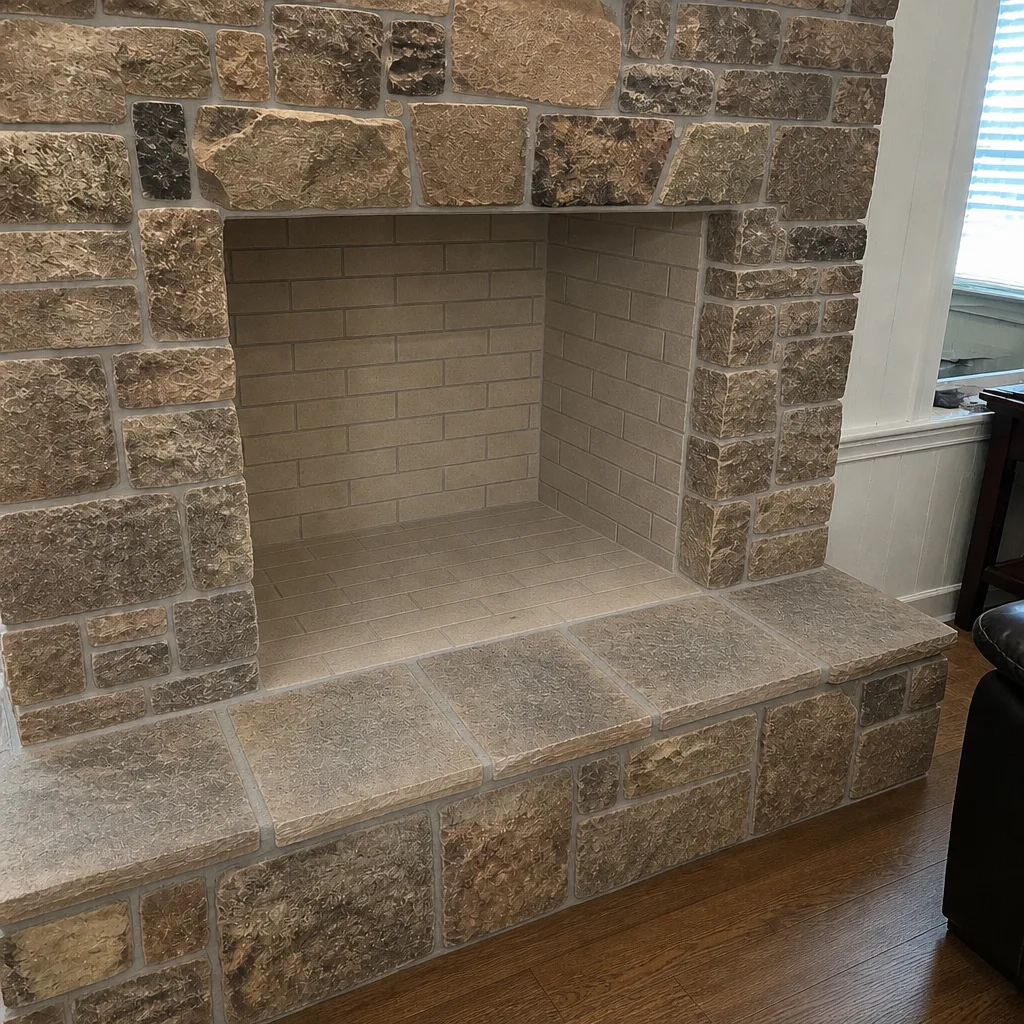
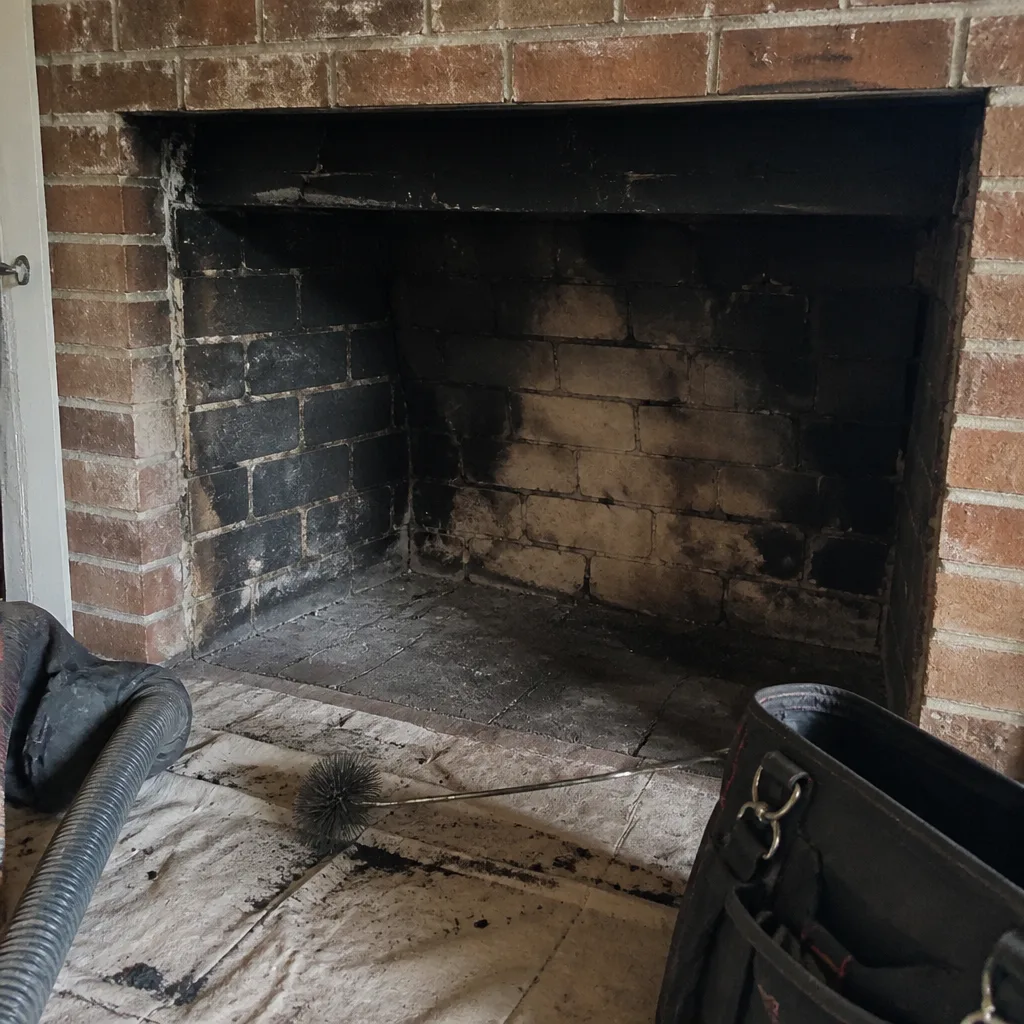
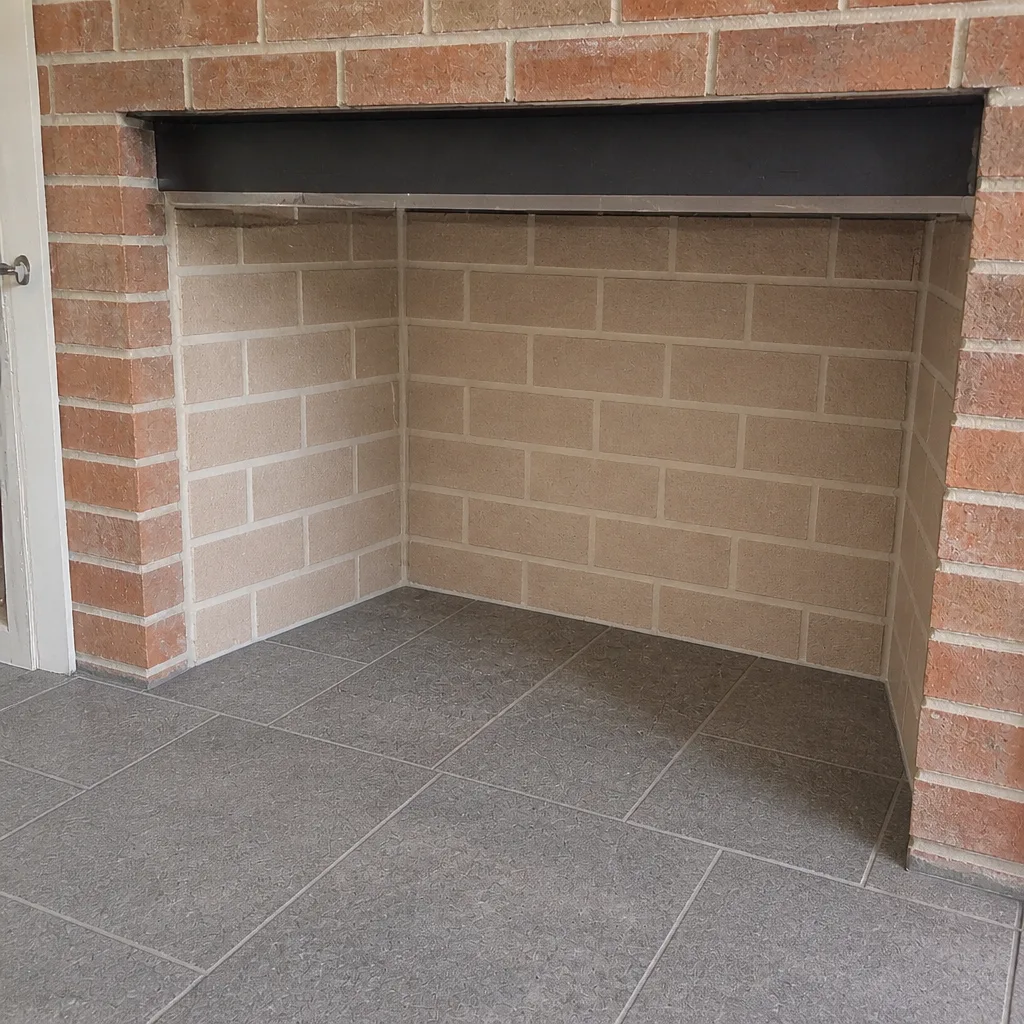
See the difference
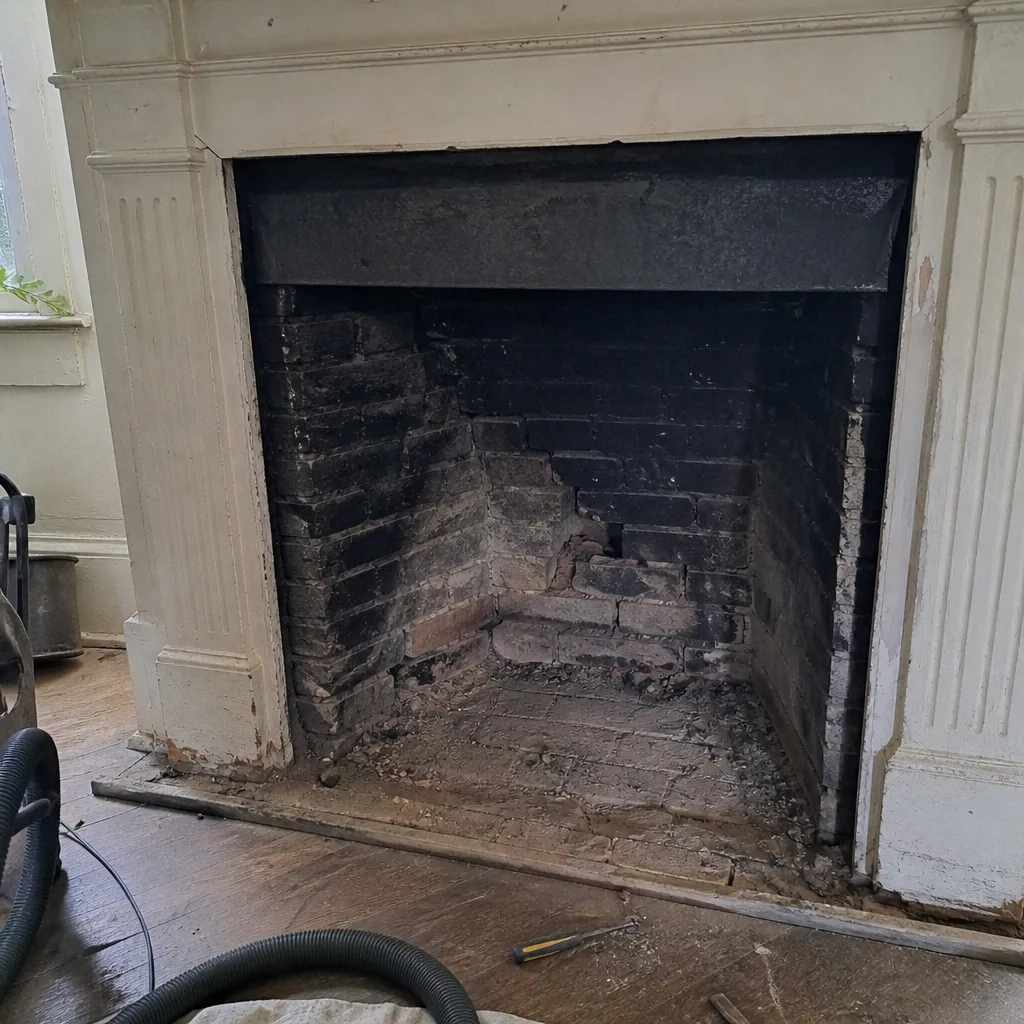 Before
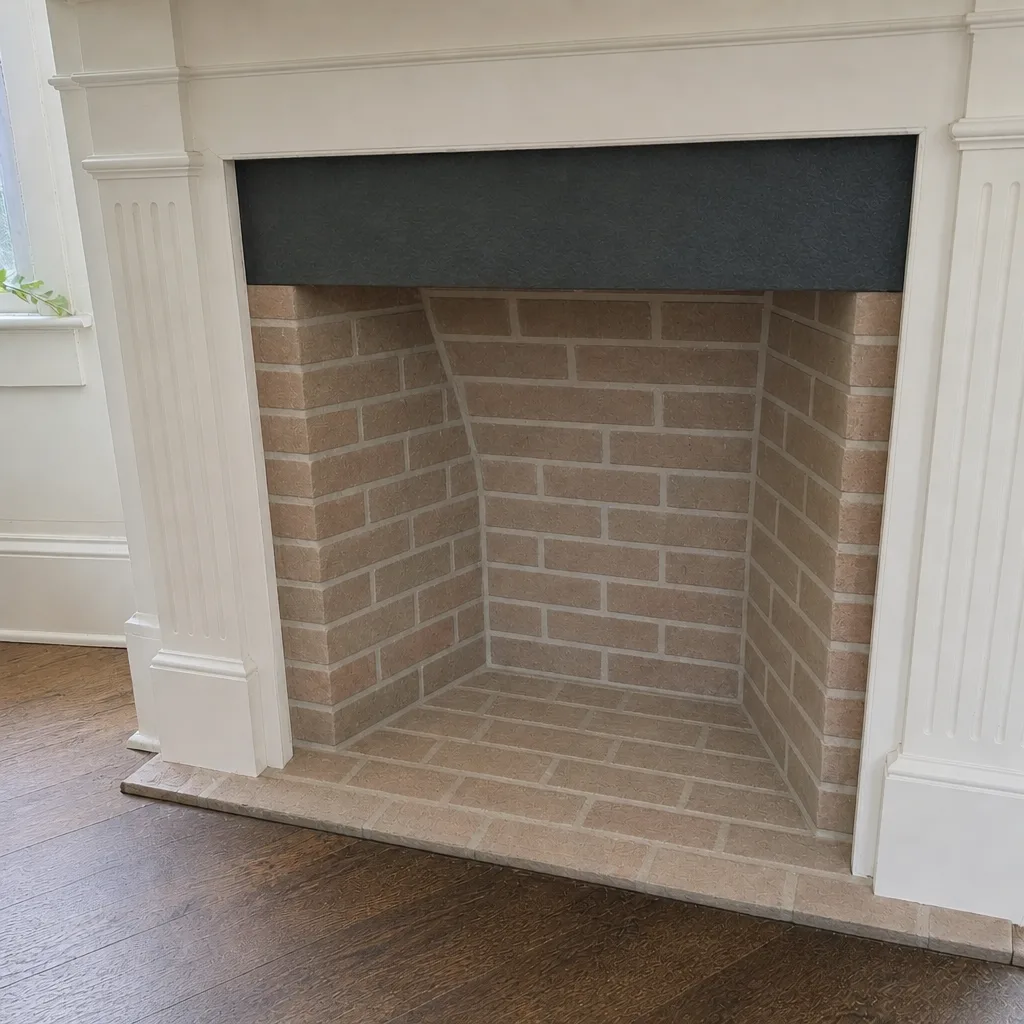 After
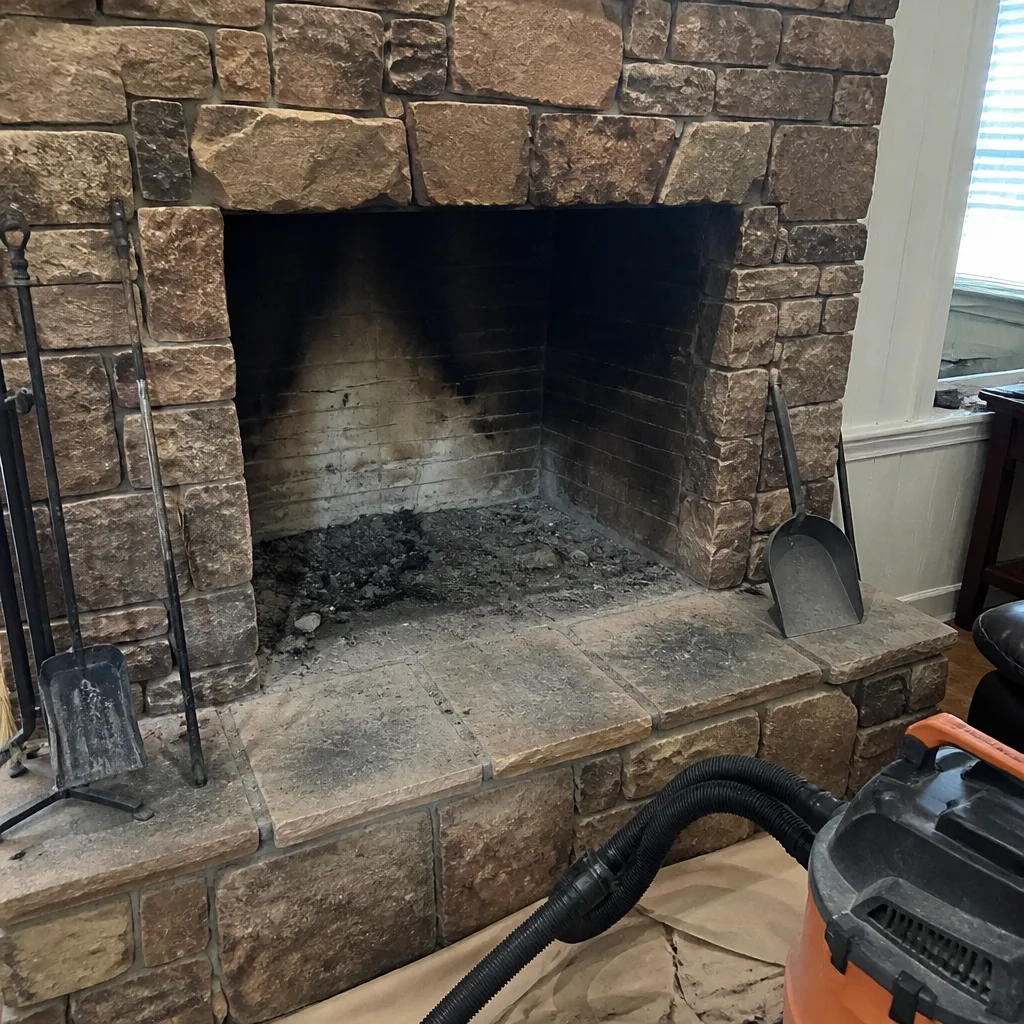 Before
 After
 Before
 After
When to Call a Professional
Some checks are DIY, and some aren’t. Call a professional if you see glazed creosote, any crack in the firebox or flue liner, water stains near the chimney, a damaged cap or crown, or unexplained debris in the firebox. Call after any significant storm if the cap or flashing looks disturbed. And call if it’s simply been more than a year since the last inspection, because the annual visit is the backbone of the whole schedule. A trained chimney professional has the tools and the eye to spot what a homeowner can’t see from the ground. Rutherford Chimney Sweep offers free estimates in Columbia – call (844) 940-3007. We answer 24/7, with fast dispatch from 7am to 7pm, Sunday through Friday, closed Saturday.
Frequently Asked Questions
Once a year for most homeowners, and more often if you burn wood heavily or see creosote buildup reaching about 1/8 inch. Gas fireplace owners still need an annual inspection even though there’s no soot. The right frequency depends on your fuel type and how much you burn.
Late summer, ideally August or September. That catches off-season moisture and nesting damage while there’s still time to fix problems before the first fire. Fall is the busiest season, and waiting until October leaves less margin if repairs come up.
Yes. Even occasional use leaves creosote and debris, and the annual inspection is about more than cleaning. It’s where cracks, damaged flashing, and failing caps get caught early. Skipping it is how small problems turn into structural ones.
Creosote builds in three stages: soft and flaky, then hard and crusty, then a glazed stage that’s genuinely difficult to remove and a serious fire risk. The glazed stage is the reason sweeps exist. An inspection will tell you which stage you’re at and whether your schedule needs tightening.
A proper liner assessment tells you. If the liner is deteriorating but hasn’t failed, resurfacing with a system like HeatShield can restore it without a full tear-out. If it’s beyond resurfacing, a flexible stainless reline with DuraFlex is the durable fix. Don’t guess; get it looked at.
The cap, the flashing, the crown, and the exterior masonry, plus any debris that may have fallen into the flue. High winds loosen caps and heavy rain exposes flashing failures. Run these checks after any significant weather event rather than waiting for the annual visit.
The Bottom Line
Chimney maintenance works best as a schedule, not a scramble. Sweep and inspect in late summer so you’re ready before the first cold night, sweep again whenever heavy use pushes creosote to about 1/8 inch, and handle the multi-year items – waterproofing and liner assessment – on their own clock. Don’t skip the gas fireplace, and check your cap and flashing after Columbia’s storms. Done in the right order, these tasks prevent compounding damage and keep every fire you light a safe one. Your chimney does one job, and it does it every time you light a fire. Keep it on a schedule and it’ll keep doing it.
Ready to get ahead of the season? Call (844) 940-3007 for a free estimate. We answer 24/7, with fast dispatch from 7am to 7pm, Sunday through Friday. Our technicians have up to 15 years of experience and work with the materials the trade actually trusts. One call covers cleaning, repair, and relining.
Written by the team at Rutherford Chimney Sweep.