
Last updated November 15, 2026
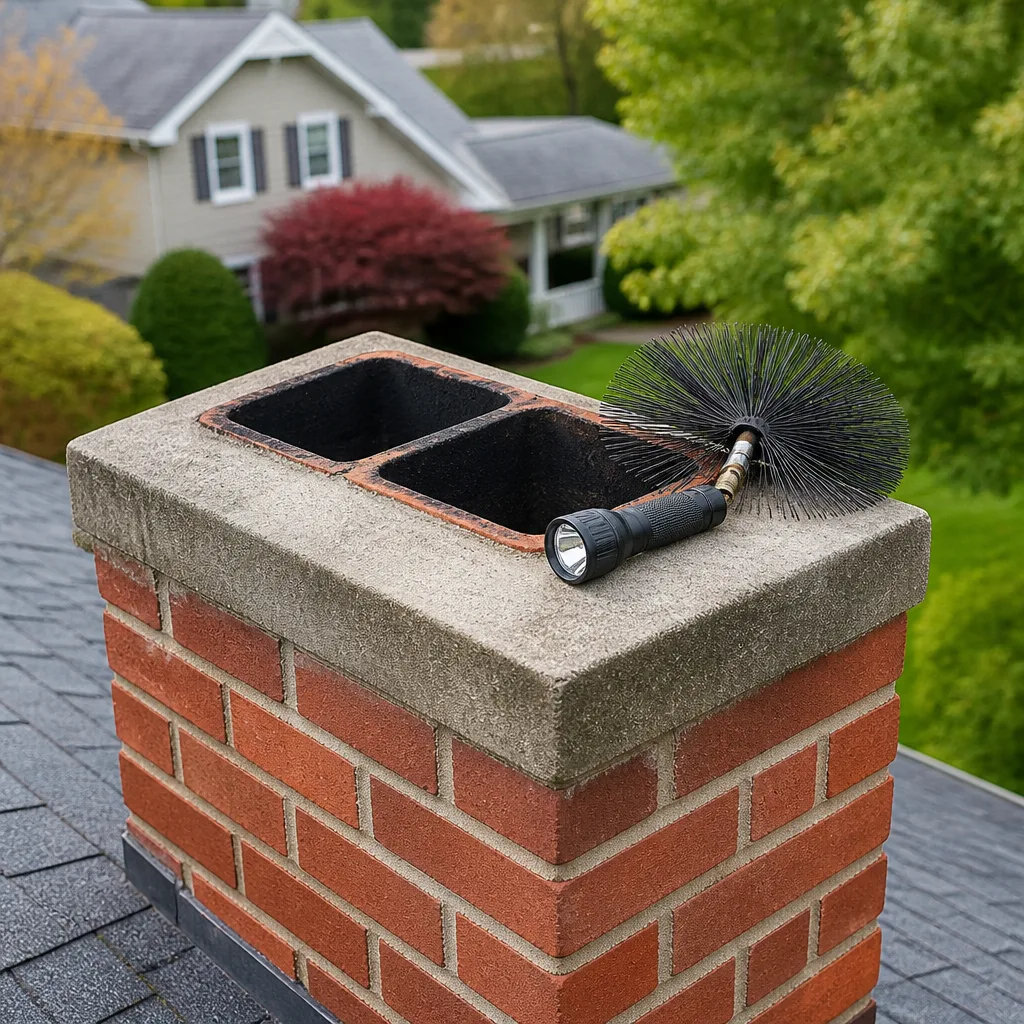 Sweep & inspection
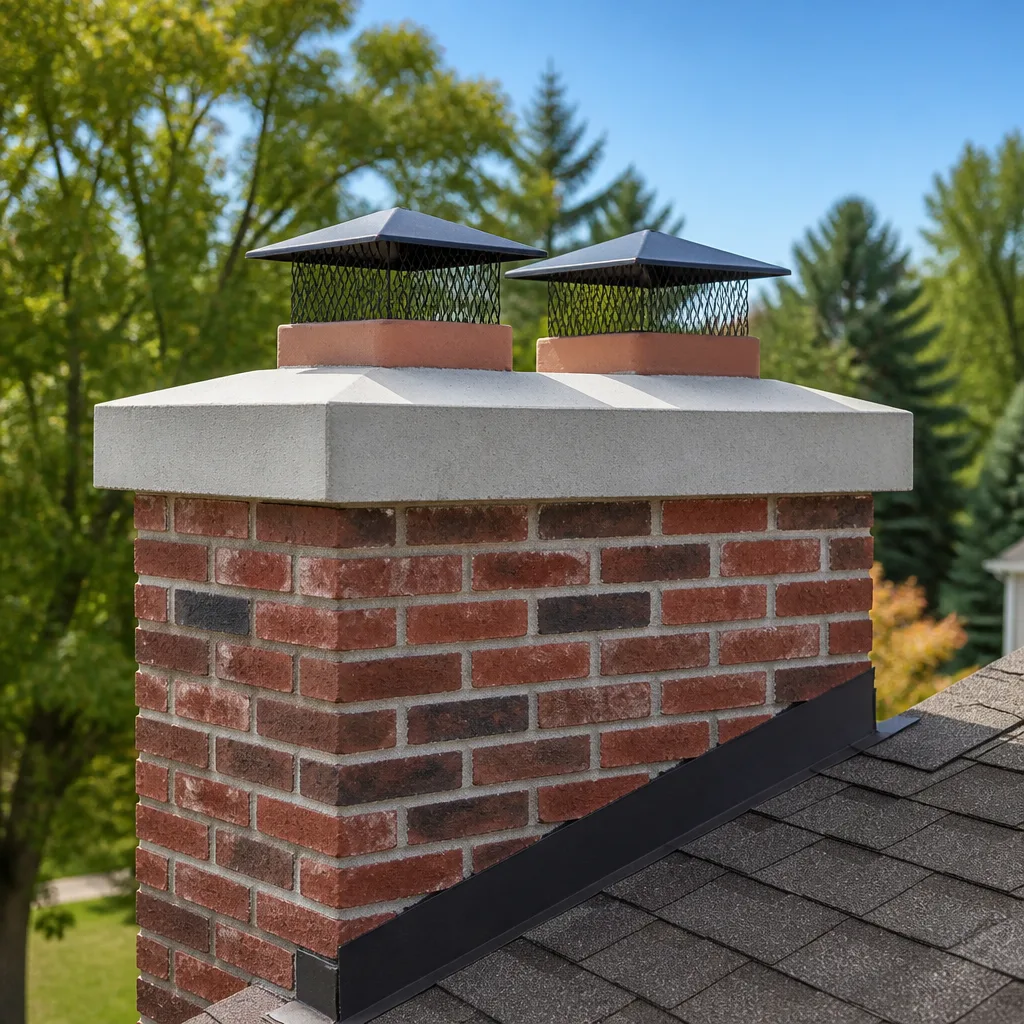 Caps & crowns
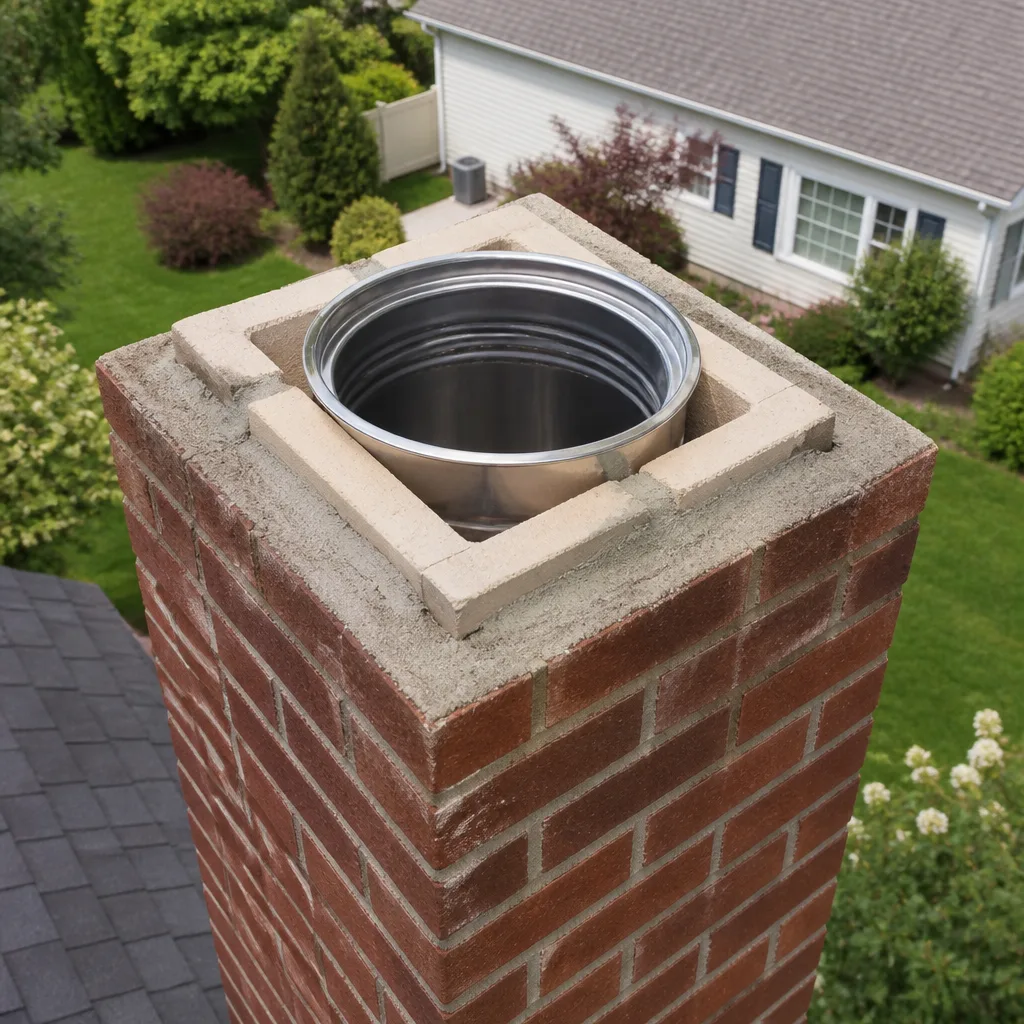 Flue relining
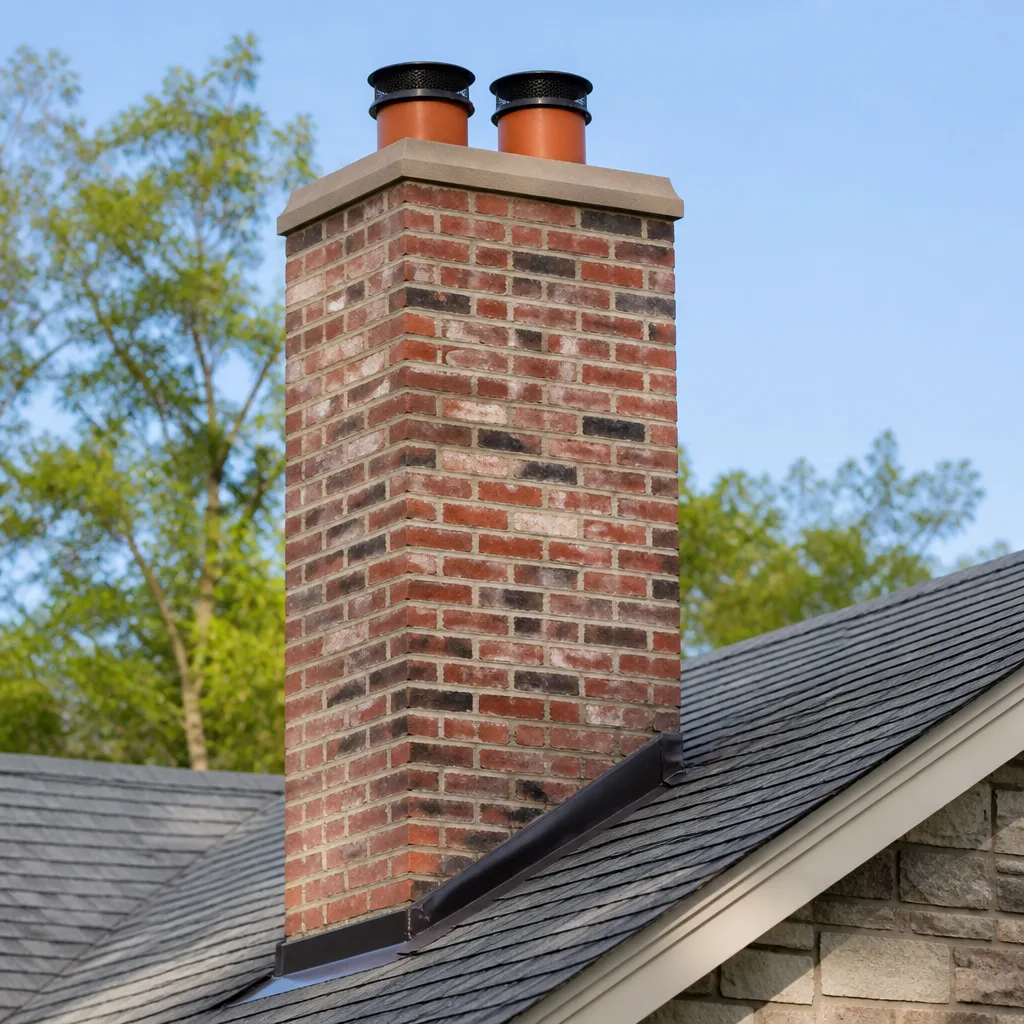 Masonry repair
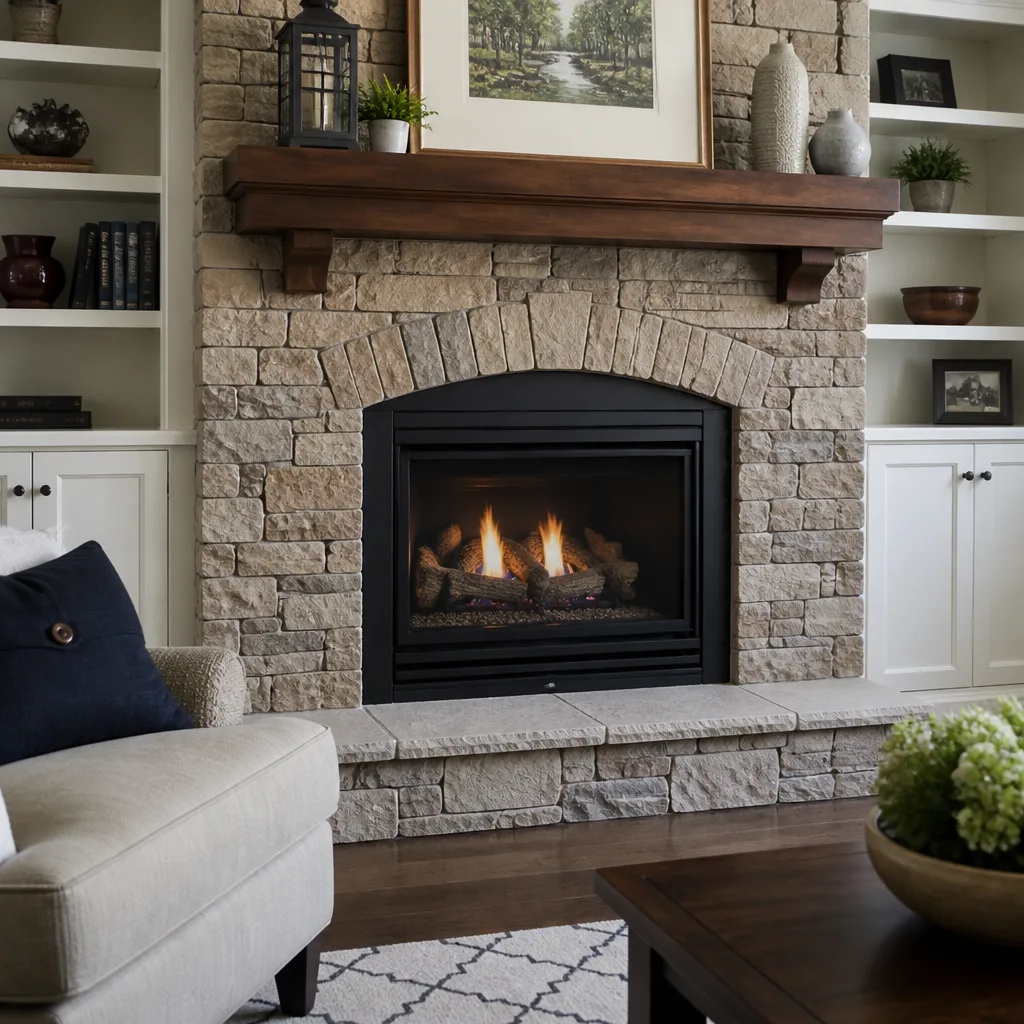 Gas fireplace service
Level 1 sweep and inspection to the NFPA 211 annual standard - flue, crown, cap, and flashing checked and photographed
Chimney sweep logs do not sweep chimneys. They loosen some creosote - which then falls where a brush and vacuum still have to collect it.
Chimney Cleaning Warning Signs: A Columbia Homeowner’s Reference Guide
White staining on chimney brick isn’t just an aesthetic problem. It’s efflorescence, and it means water is moving through your masonry. By the time it shows on the exterior, that moisture has already been working on your flue from the inside. Most homeowners walk past it for years because nobody told them what normal looks like. That’s the real gap. Chimneys rarely fail without warning, but the warnings are quiet, and they’re easy to misread if you don’t have a baseline. This guide gives you one. We’ll cover what to look for outside and inside your Columbia home, how to tell cosmetic wear from an active hazard, and why the timeline between a warning sign and a failure usually gives you room to act calmly.
Quick Answer
The main chimney cleaning warning signs are white staining or crumbling brick on the exterior, a cracked crown or damaged cap, smoke rolling back into the room, a draft that’s gotten worse, soot staining around the firebox, and odors that change with the season. Any one of these means it’s time to book an inspection and a sweep. Cosmetic wear can be monitored; cracked masonry, water intrusion, and draft failure need professional assessment.
Styles & brands we work with
- Sweep & inspection
- Caps & crowns
- Flue relining
- Masonry repair
- Gas fireplace service
Table of Contents
- Exterior Warning Signs: What the Outside of Your Chimney Is Telling You
- Interior Warning Signs You Can Spot Without a Sweep
- Cosmetic or Hazard? How to Tell the Difference
- Columbia Storm Indicators: What Summer Weather Leaves Behind
- Establishing Your Baseline: What Normal Actually Looks Like
- The Timeline Problem: Why Warnings Come Months Before Failure
- The Warning Signs You’re Not Looking For: Your Dryer Vent
- What a Proper Inspection Covers
Exterior Warning Signs: What the Outside of Your Chimney Is Telling You
Your chimney takes more weather than any other part of the house. It sits alone above the roofline, fully exposed to rain, sun, wind, and freeze-thaw cycles, and its masonry is porous by nature. That combination produces a predictable set of visual warning signs. Learning to read them is the single most useful skill a Columbia homeowner can develop, because exterior symptoms appear long before interior damage announces itself.
Here’s what each sign actually means:
- Efflorescence (white staining). Those white, chalky deposits on the brick are mineral salts carried to the surface by water moving through the masonry. Efflorescence itself is harmless, but it’s proof that moisture is traveling through the chimney’s structure. If it returns after you clean it, water is still getting in somewhere.
- Spalling (flaking, crumbling brick faces). When water freezes inside brick and expands, it pops the face off. Spalling means the brick is already damaged, not just stained. This is a structural sign, not a cosmetic one.
- Mortar joint erosion. Recessed, crumbling, or sandy mortar between bricks means the joints are wearing away. Mortar is the sacrificial layer that protects the brick, so when it goes, the brick is next.
- Cap damage. A cracked, rusted, or missing chimney cap lets water straight into the flue. Caps are inexpensive to replace and expensive to ignore.
- Crown cracking. The concrete crown at the top is your chimney’s roof, designed to shed water away from the masonry. Cracks in the crown channel water directly into the structure with every rain.
Walk around your house after a dry stretch and look up at the chimney with binoculars. In Columbia, the combination of intense summer sun and heavy seasonal rain accelerates the weathering of masonry and the mortar holding it together. If you see more than one of these signs at once, the exterior is no longer just cosmetic.
Interior Warning Signs You Can Spot Without a Sweep
You don’t need tools or a ladder to notice most interior problems. Your nose, your eyes, and the way your fireplace behaves when you light a fire tell you plenty. These signals fall into four groups, and each points to a different underlying issue.
Draft problems
A chimney that used to draw well and now struggles is telling you something changed. The flue may be partially blocked by creosote, soot, or a nest. The chimney may be obstructed at the cap. Or the pressure balance in the house may have shifted. A weak draft means smoke lingers in the room longer and combustion gases have a harder time leaving. That’s a safety issue, not just an annoyance.
Odor patterns by season
Chimney smells follow a seasonal rhythm worth understanding. In humid summer months, creosote and soot deposits absorb moisture from the air and release that sharp, smoky smell into the house even when the fireplace is unused. In winter, a strong smoke smell during a fire usually points to draft trouble. Odors that appear only in warm, damp weather are common in Columbia’s humid summers and typically mean the flue needs cleaning rather than repair.
Smoke rollout behavior
Watch how smoke behaves when you start a fire. A little puff at ignition is normal. Smoke that rolls out of the firebox and hangs in the room, or that spills out when you open the glass doors, means the exhaust path is compromised. Note whether it happens on cold starts only or every time, because the pattern helps a technician diagnose the cause.
Firebox staining
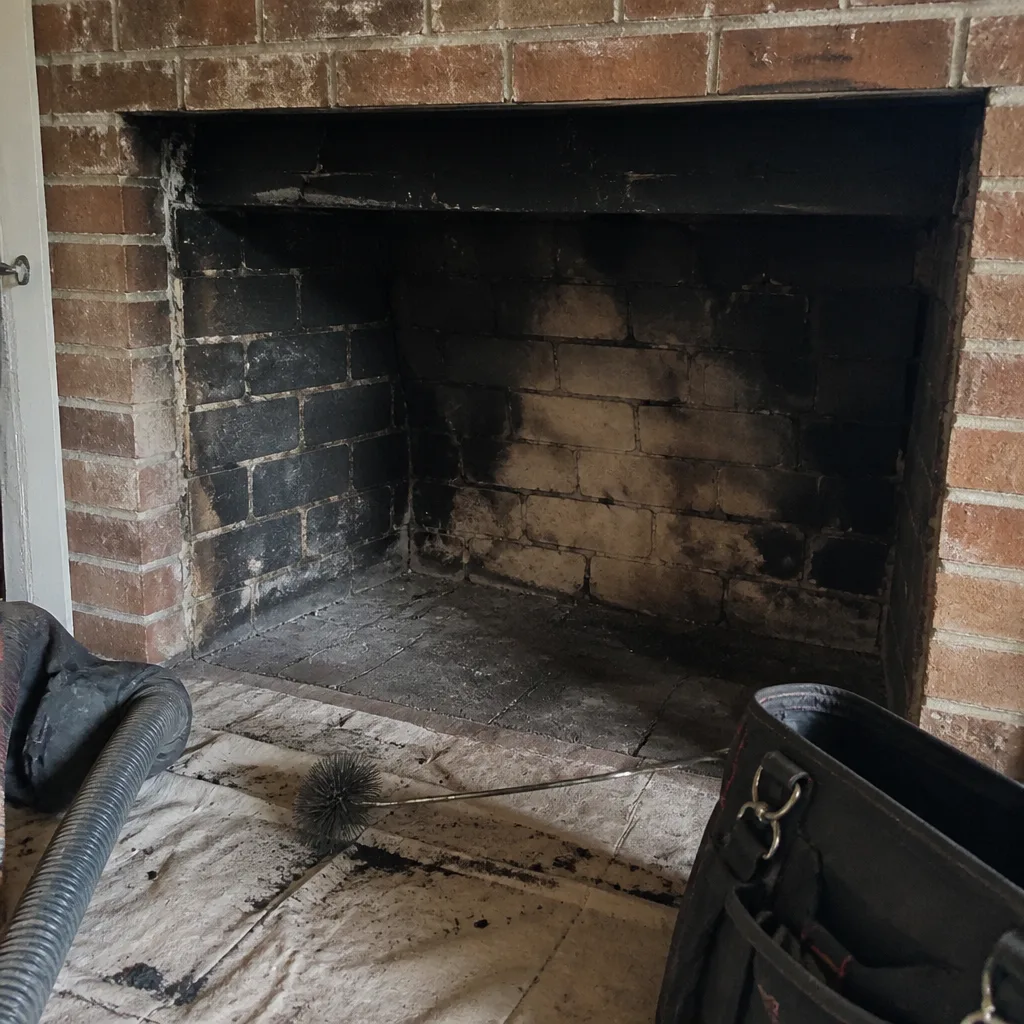
Look inside the firebox after it’s cooled. Dark streaks running up the face of the brick, soot patterns that reach higher than they used to, or rust and white staining on metal components all deserve attention. Staining on the face of the firebox often means the smoke is not going where it should. Rust on a prefab firebox is a water-intrusion warning.
Cosmetic or Hazard? How to Tell the Difference
This is where most homeowners get stuck. Every crack looks serious if you don’t know which ones matter, and every professional looks like a sales pitch if you can’t tell the difference yourself. Here’s the honest sorting. Some things you can monitor on your own with a yearly look. Others need professional assessment because the failure mode is either structural or a fire hazard.
Monitor and re-check yearly:
- Light, isolated efflorescence that doesn’t return after cleaning
- Minor surface staining on exterior brick
- Small hairline cracks in the firebrick inside the firebox
- A single loose mortar joint at eye level
Book an assessment now:
- Spalling brick, recurring efflorescence, or crumbling mortar over a wide area
- A cracked or missing chimney cap, or a crown with visible cracks
- Any draft problem that persists after cleaning the firebox
- Smoke rollout on every fire, not just cold starts
- Rust or white staining on a prefab firebox or metal flue components
One note on safety. The inside of a chimney includes creosote, a highly flammable residue that accumulates with every fire. When creosote ignites, it burns at extremely high temperatures and can crack the flue. A chimney fire doesn’t always announce itself, so a heavy creosote load is itself a warning sign that requires professional attention, not a homeowner cleaning attempt. The same goes for any work involving the flue liner, which is the barrier between combustion gases and your house’s framing. We always recommend a trained professional for anything beyond the firebox itself.
Columbia Storm Indicators: What Summer Weather Leaves Behind
Columbia’s summer storm season lays down intense rain and occasional lightning, and both leave fingerprints on chimneys that homeowners often miss. After a heavy storm, a quick look around the chimney can catch damage while it’s still fresh and inexpensive to fix.
Here’s what to check after a storm:
- Look for fresh cracks in the crown. The concrete crown takes the worst of the rain. New cracks after a storm channel water directly into the masonry. If you can see the crack widen with a fingernail, it’s already doing damage.
- Inspect the cap and screening. Wind-driven rain and blowing debris damage caps and screening. A displaced cap no longer keeps water and animals out of the flue.
- Watch for water intrusion inside. Staining on the ceiling or walls near the chimney, or a damp smell in the room after rain, points to water entering through the crown, cap, or flashing. This is one of the most common post-storm findings in Columbia.
- Check for lightning strike indicators. Look for scorch marks, cracked masonry near the top, or damaged electrical components near the chimney. A lightning strike can crack masonry or damage the flue without leaving obvious marks at eye level, so this is a case for professional assessment if your home took a nearby strike.
- Examine exterior brick for new spalling. Heavy rain followed by sun drives moisture in and out of the brick. Newly spalled brick after a storm is a sign the masonry is already saturated.
Hail is uncommon in Columbia, so the classic northern storm damage pattern of hail bruising metal caps and crowns is less of a local concern. The bigger threat here is water volume and wind, and the failure modes follow from that. Water intrusion after a storm is the top cause of the masonry damage we see in the area.
If you want a thorough look at what a proper sweep covers, our chimney sweep service in Columbia includes an inspection that catches most storm-related deterioration before it becomes expensive.
Establishing Your Baseline: What Normal Actually Looks Like
You can’t spot a warning sign if you don’t know what normal looks like. Most of the problems in this guide get missed for one reason. The homeowner never looked closely at a healthy chimney, so a subtle change runs unnoticed for years. The fix is simple. Build a baseline once, then compare against it.
How to establish your chimney baseline:
- Take dated photos. Photograph the exterior from the ground, the crown from a safe vantage, the cap, the firebox interior, and the damper area. Datestamps mean you can compare this year to next year. This is the single most effective method for spotting slow deterioration.
- Observe draft on a normal fire. Note how fast the fire catches, how the smoke behaves, and whether the glass doors fog. This describes your normal, and becomes the reference point for any future change.
- Record odor season. Note whether the chimney smells in summer, in damp weather, or only during fires. Write down the pattern. Seasonal odor changes are diagnostic.
- Note the roof flashing line. Where the chimney meets the roof, flashing sheds water. Photograph this from a safe distance. Staining on the roof deck near the flashing is a water-intrusion early warning.
- Log any cap or screen movement. A cap that sits straight today and tilted next year is telling you something. Record its position so you notice the change.
If building a baseline for your first year, a sweep-and-inspection visit makes the job much easier because a technician documents the chimney’s condition from the top down. In our experience, the homeowners who catch problems earliest are the ones with a baseline they can compare against. That’s one reason we work through the whole system in one visit, whether the fireplace needs attention or the dryer vent cleaning does. Both are hidden fire-risk systems, and both benefit from a reference point. If you’re new to the area or just moved into a home, a baseline visit is the best first step.
The Timeline Problem: Why Warnings Come Months Before Failure
Nearly every chimney failure we see announces itself months in advance. That gap is the most important thing on this page. Slow-motion problems like mortar erosion, an aging flue liner, and water intrusion into the crown develop over months and years, not in minutes. The homeowner who notices and acts inside that window pays for a repair. The homeowner who waits pays for a rebuild, a relining job, or worse.
Here’s how a typical timeline plays out:
- Month 1 to 6: Light efflorescence, a small crown crack, or a slightly weak draft appears. Often dismissed. This is the easiest and least expensive moment to act.
- Month 6 to 18: The mortar begins to erode and the crown crack widens. Water intrusion into the masonry is now routine. A draft problem becomes consistent.
- Year 2 to 3: Spalling brick and interior water staining show up. The flue liner may now be compromised. This is the point where a HeatShield resurfacing becomes relevant, because resurfacing can restore a deteriorating flue without a full tear-out.
- Year 3 onward: Structural failure, flue collapse, or a house fire caused by creosote ignition or a compromised liner. Now it’s an emergency.
The professional-grade brands we work with exist to solve exactly these problems, and this is why we name them. HeatShield is a certified flue resurfacing system for deteriorated liners. DuraFlex flexible liner systems are for full relining jobs when resurfacing isn’t enough. We also use Gelco and Famco components for caps and ventilation, which are purpose-built chimney products rather than hardware-store substitutes. The point is that the right repair at the right time is far less expensive than the emergency version, and a homeowner who reads the warning signs early keeps control of that timeline.
Booking a sweep before the failure window closes is the best protection. You can see our service area pages for Columbia for the full picture on scheduling.
The Warning Signs You’re Not Looking For: Your Dryer Vent
Your dryer vent has the same kind of warning signs as your chimney, and almost nobody looks at it. Lint is highly flammable, and it accumulates inside the vent duct the same way creosote accumulates inside a flue. A clogged dryer vent is one of the most common hidden fire risks in a home, and Columbia homeowners often don’t think about it until a dryer stops drying properly. The warning signs are reliable and early:
- The dryer takes noticeably longer to dry a load than it used to
- The dryer or the laundry room feels hotter than normal during a cycle
- Clothes come out damp on the second cycle
- Lint builds up around the dryer’s outside vent flap instead of being exhausted
- The vent flap doesn’t open fully when the dryer runs, or stays closed
- The laundry room smells faintly of lint or heat after a cycle
These signs typically appear well before the vent becomes a fire hazard, which gives you time to act. We handle dryer vent cleaning in Columbia alongside chimney work, so a single appointment can address both hidden fire-risk systems. That’s a practical reason to combine the two, and it’s one more reason a baseline visit is worth booking.
What a Proper Inspection Covers
An inspection is only useful if it looks at the whole system, not just the flue. Here’s what a thorough look covers, and what you should expect a technician to check when they’re at your home:
- Exterior: brick condition, mortar joints, crown, cap, flashing, and signs of water intrusion
- Flue: creosote accumulation, obstruction, liner integrity, and joint condition, checked from top to bottom
- Firebox and damper: firebrick condition, damper operation, and staining patterns
- Draft: tested under a real fire, not just by feel
- Dryer vent: lint accumulation, airflow, and vent flap operation
If a repair is needed, we tell you what we found and why. Some problems can wait, and we say so. If the flue needs resurfacing or relining, we use professional-grade materials from brands chimney technicians actually trust, and we explain the difference between a resurfacing job and a full reline. The right answer depends on how much liner material is left, not how much can be sold. Our service is Rutherford Chimney Sweep work, and it’s the kind of inspection that gives you a document, not a sales pitch. We’re authorized to install and work with HeatShield, stock and install DuraFlex, and source through recognized professional chimney supply distributors including Olympia Chimney and Copperfield. We name the brands we use because the materials matter.
Common Mistakes to Avoid
- Ignoring efflorescence because it looks like paint. White staining isn’t cosmetic. It’s proof that water is moving through the masonry, and it recurs if the source isn’t fixed.
- Assuming a cap is optional. A missing or damaged cap is one of the cheapest problems to solve and one of the most expensive to ignore. It lets water, animals, and debris straight into the flue.
- Burning wet or unseasoned wood to “use up” the stack. Damp wood produces more creosote and more frequent cleaning needs. In Columbia’s humid climate, firewood stored outside absorbs moisture all summer, so check dryness before burning.
- Forgetting that a strong summer smell isn’t normal. Smoky odors in humid weather usually mean the flue needs cleaning, not that the chimney is fine because it’s not in use.
- Waiting until a problem becomes an emergency. If you book only when the chimney fails, you’ve given up the timeline window that lets a repair stay small.
- Overlooking the dryer vent while focusing on the chimney. Both are hidden fire-risk systems. Cleaning one and ignoring the other leaves half the job done.
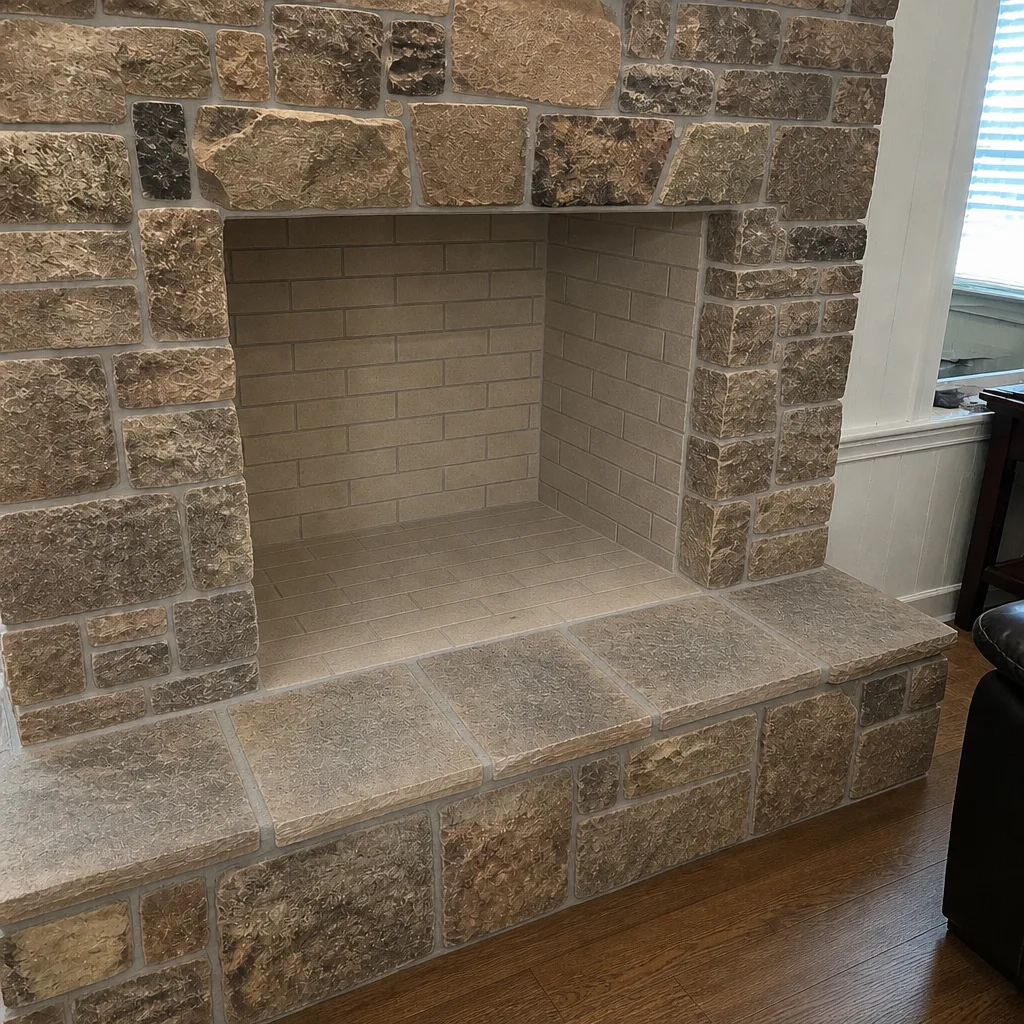
See the difference
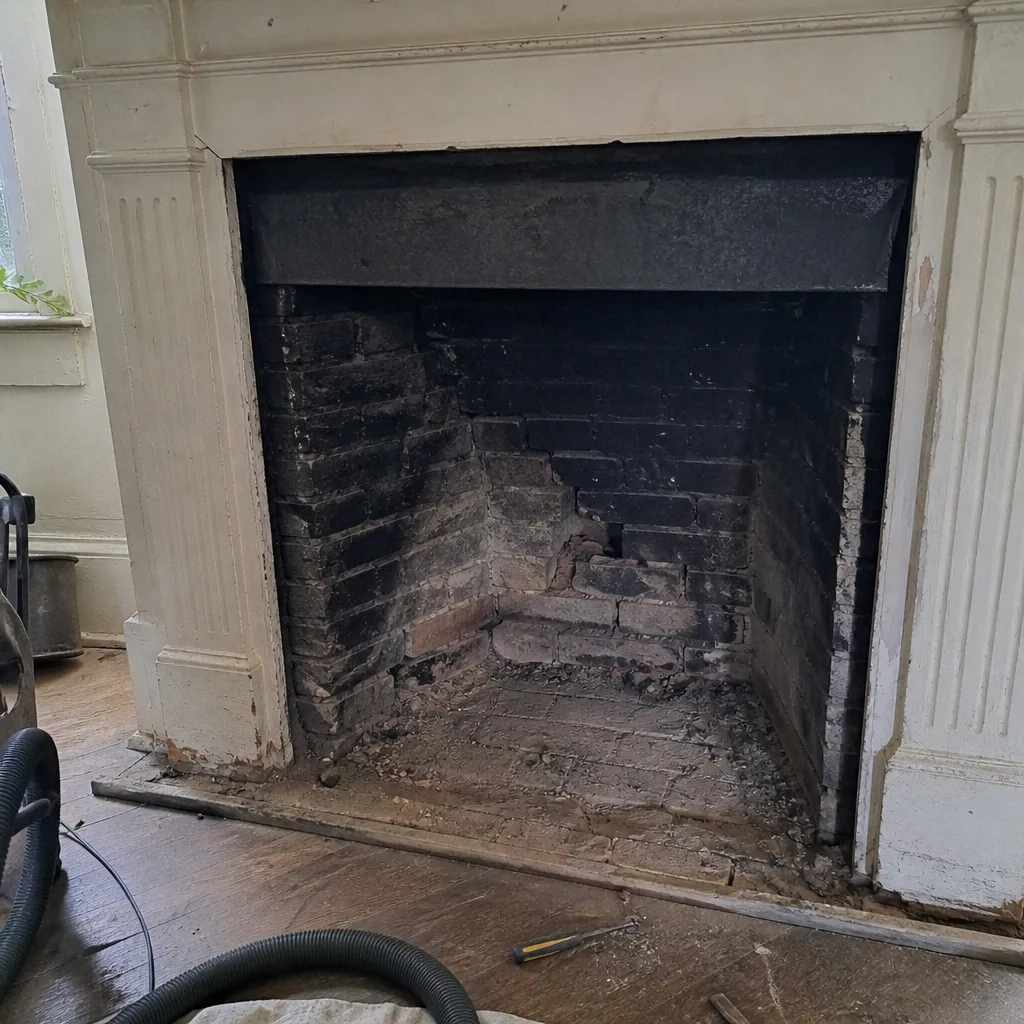 Before
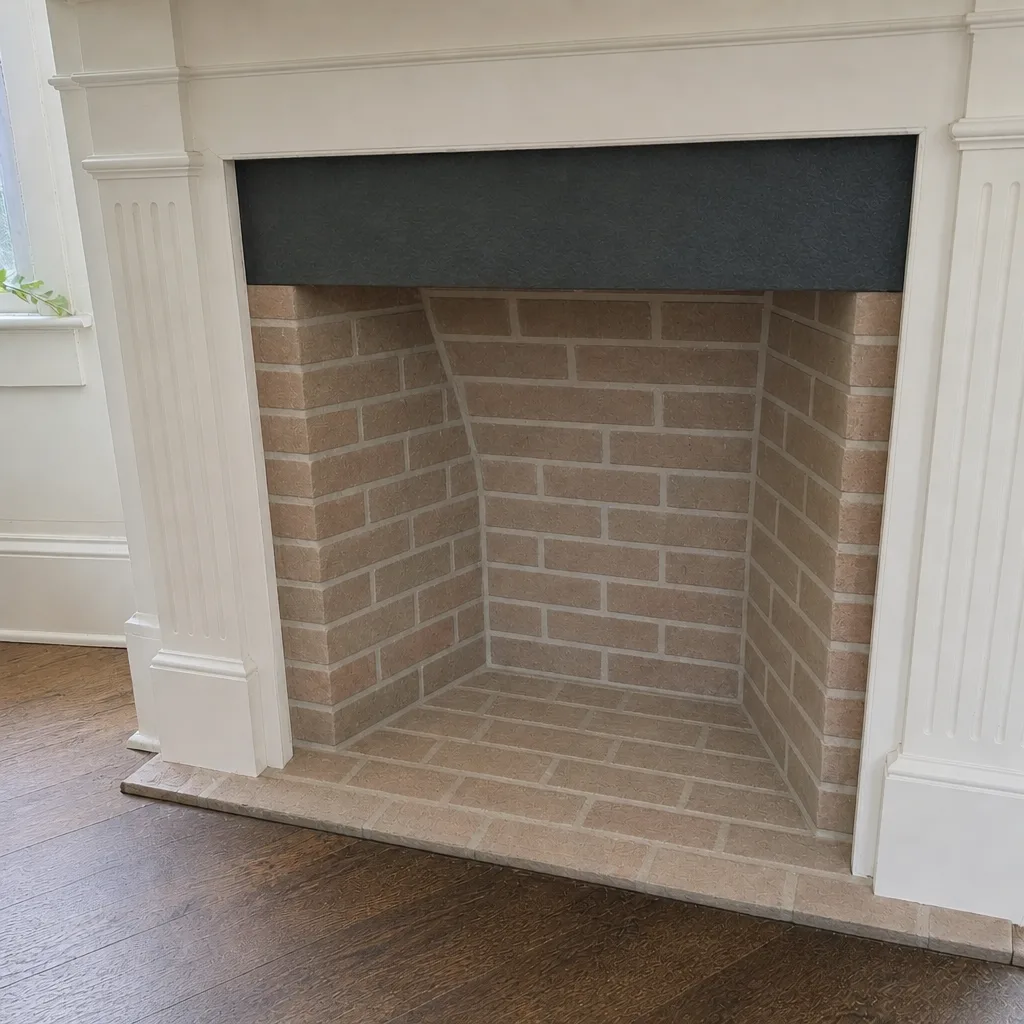 After
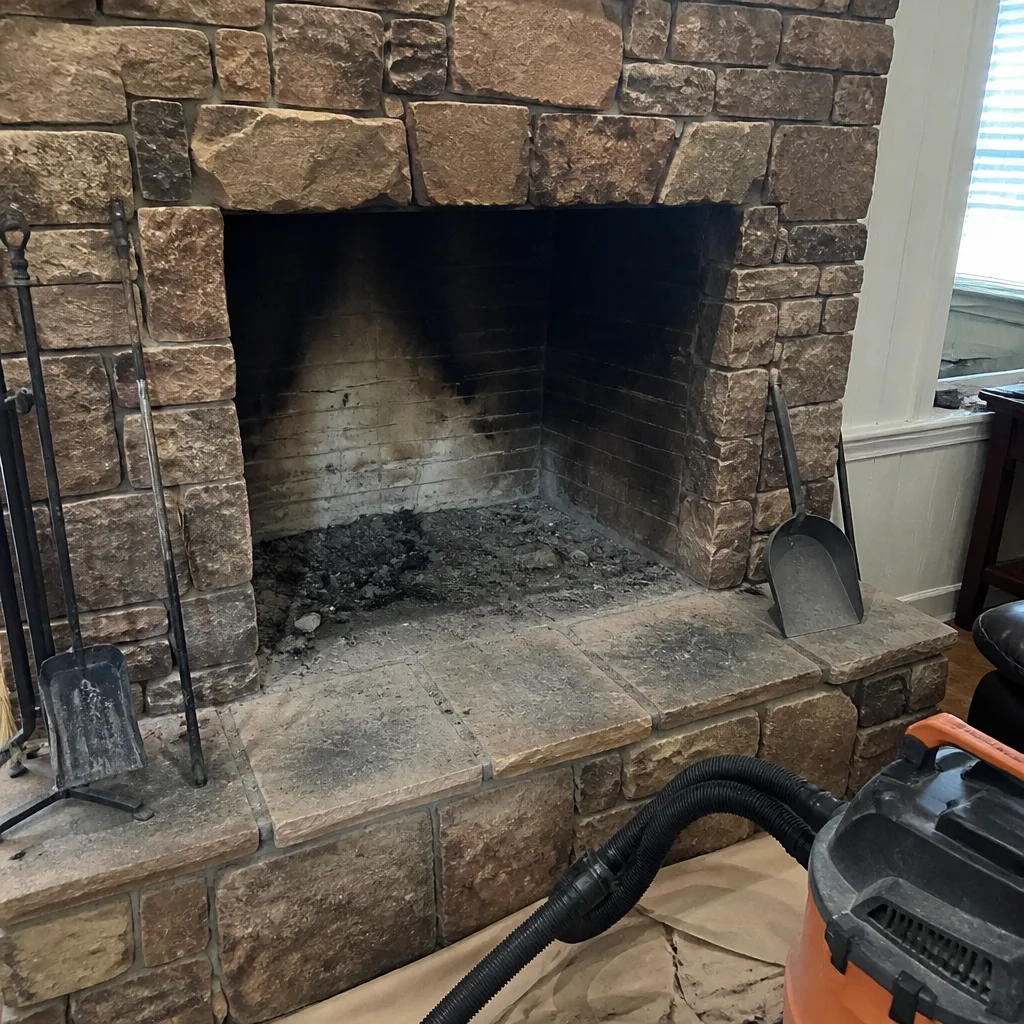 Before
 After
 Before
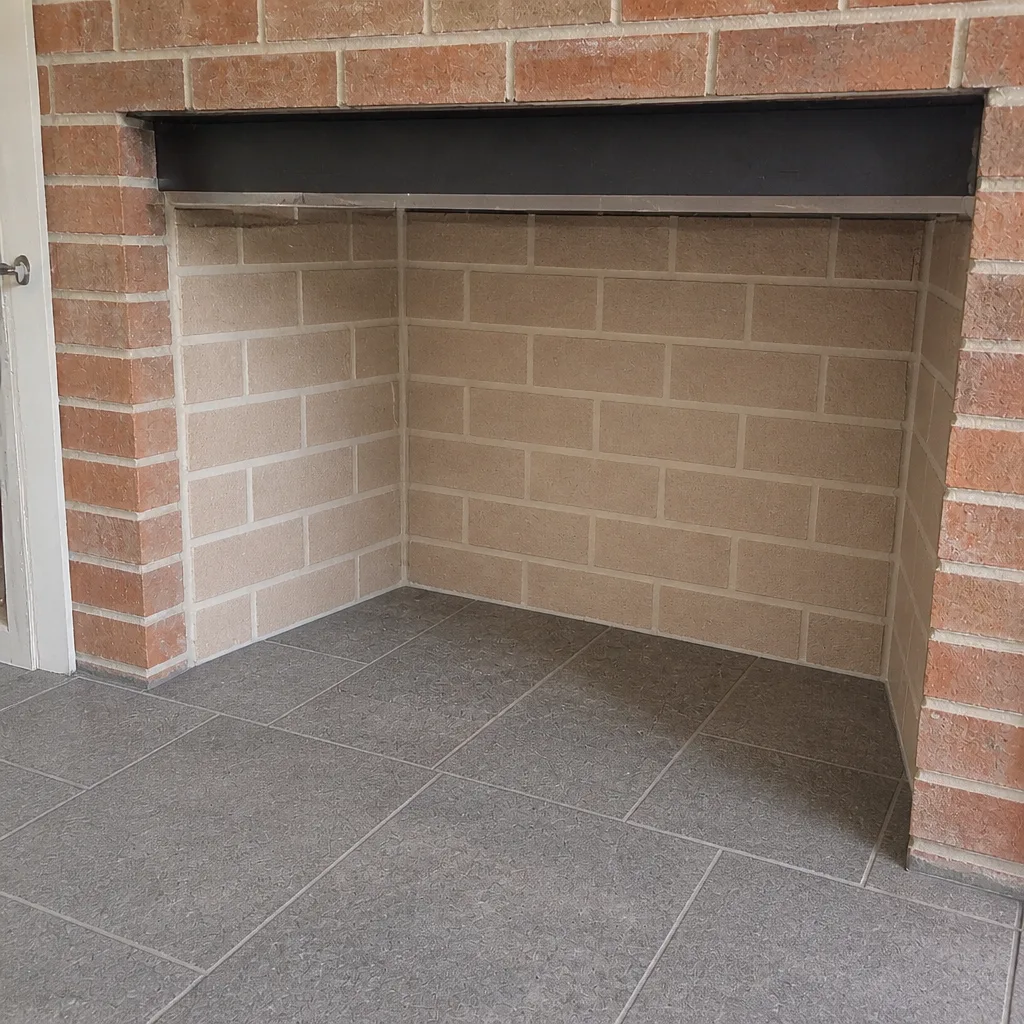 After
When to Call a Professional
Call a professional when you see spalling brick, recurring efflorescence, a cracked crown or missing cap, draft problems that persist after cleaning, smoke rollout on every fire, rust or white staining on a prefab firebox, or any sign of water intrusion after a storm. Call before you light the first fire of the season if you haven’t had the chimney looked at. And call if your dryer vent shows the warning signs above, because lint accumulation is a fire risk even though it’s easy to overlook. Rutherford Chimney Sweep offers free estimates in Columbia. Call (844) 940-3007. We answer 24/7. Fast dispatch from 7am to 7pm, Sunday through Friday.
Frequently Asked Questions
The most common are white efflorescence on exterior brick, a cracked crown, a rusted or missing cap, smoke rolling back into the room, and a draft that has gotten worse over time. Any of these should trigger an inspection. Call (844) 940-3007 for an exact quote; estimates are free.
White staining is efflorescence, and it means water is moving through the masonry. The stains themselves are harmless, but the moisture behind them is not, because it can damage the flue from the inside. If the staining returns after cleaning, the water source needs professional attention.
Yes. Heavy creosote accumulation and a compromised flue liner can be invisible from outside. That’s why a professional inspection matters, because the technician checks the flue from top to bottom, not just the firebox. Book an inspection to catch the unseen problems early.
Sweep frequency depends on how much you burn, but a good rule is to have the chimney inspected once a year and cleaned whenever the creosote load warrants it. Homeowners who burn regularly should err on the sooner side. Call (844) 940-3007 to schedule an inspection; estimates are free.
Yes. Summer storms bring heavy rain and occasional lightning that damage crowns, caps, and masonry. Check the crown for new cracks, the cap for movement, and the interior for water staining after a storm. If you spot any of these, book an assessment.
A skipped warning sign typically grows into a more expensive repair. A small crown crack becomes water intrusion, which becomes spalling brick, which becomes flue damage. Acting inside the timeline window keeps the repair small. Call (844) 940-3007 for an exact quote on getting it looked at; estimates are free.
The Bottom Line
Chimney problems give you warning. The signs are quiet but reliable, and they appear months before failure. Learn what normal looks like, build a baseline with dated photos, check after storms, and watch the interior for draft, odor, and smoke changes. Sort what you see into cosmetic wear you can monitor and hazards that need professional assessment. Don’t give up the timeline window by waiting for an emergency. The same discipline applies to your dryer vent, which has its own warning signs and its own fire risk. If you want a professional look at any of it, call (844) 940-3007 for a free estimate. We answer 24/7. Fast dispatch from 7am to 7pm, Sunday through Friday.
Written by the team at Rutherford Chimney Sweep.