
Last updated November 15, 2026
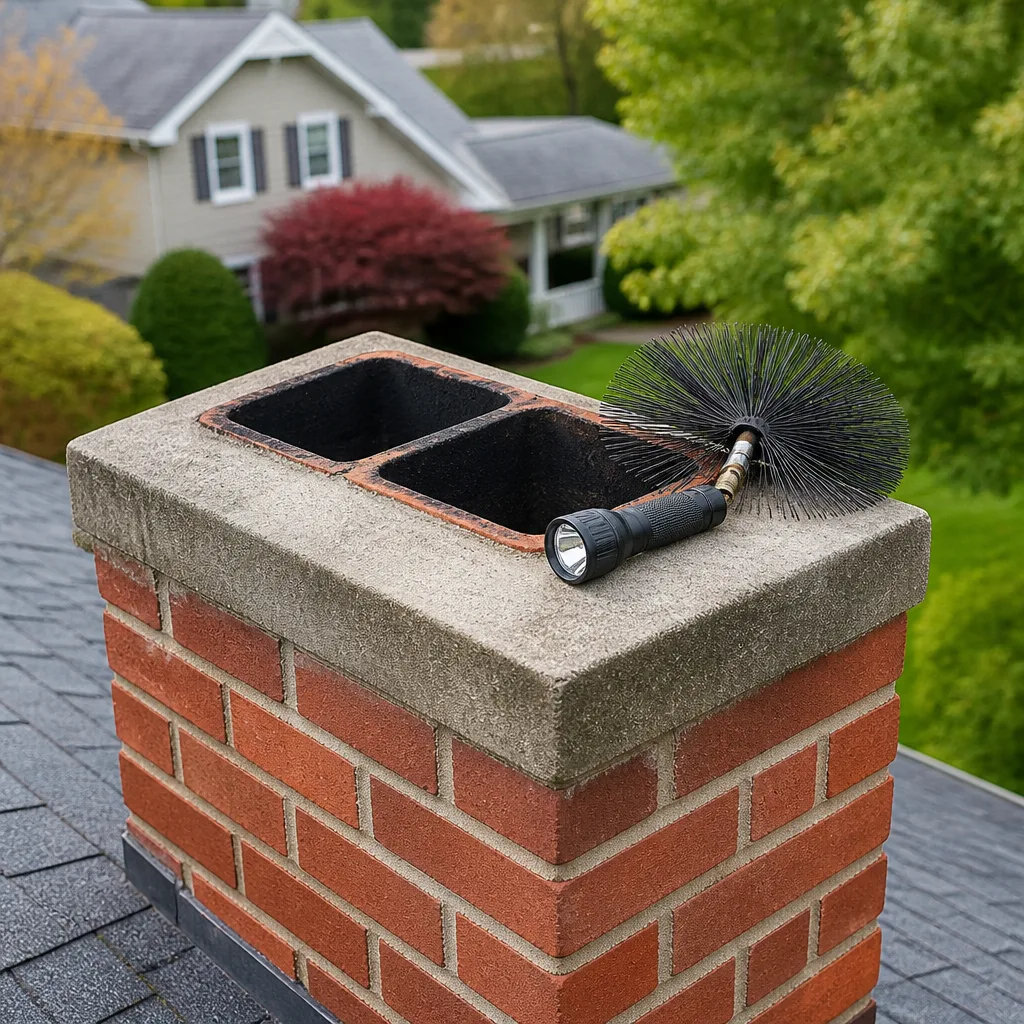 Sweep & inspection
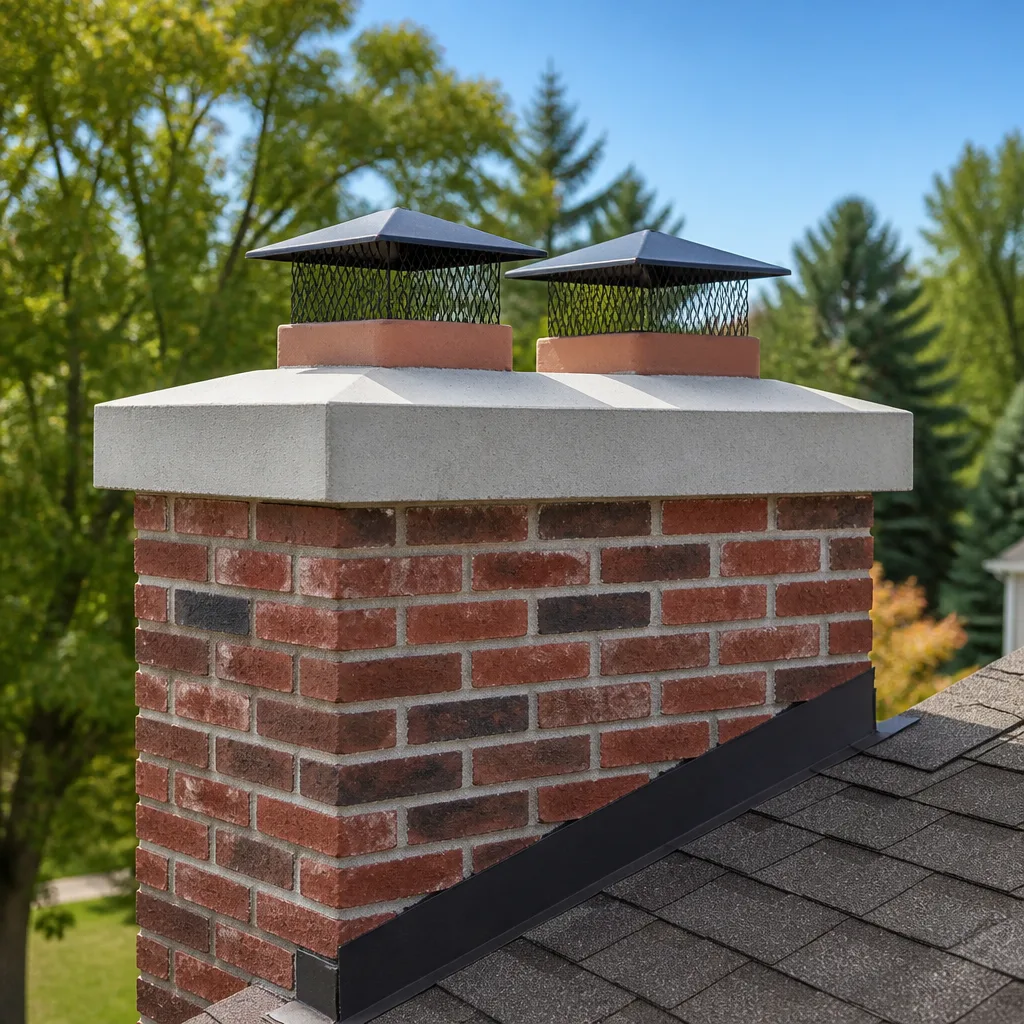 Caps & crowns
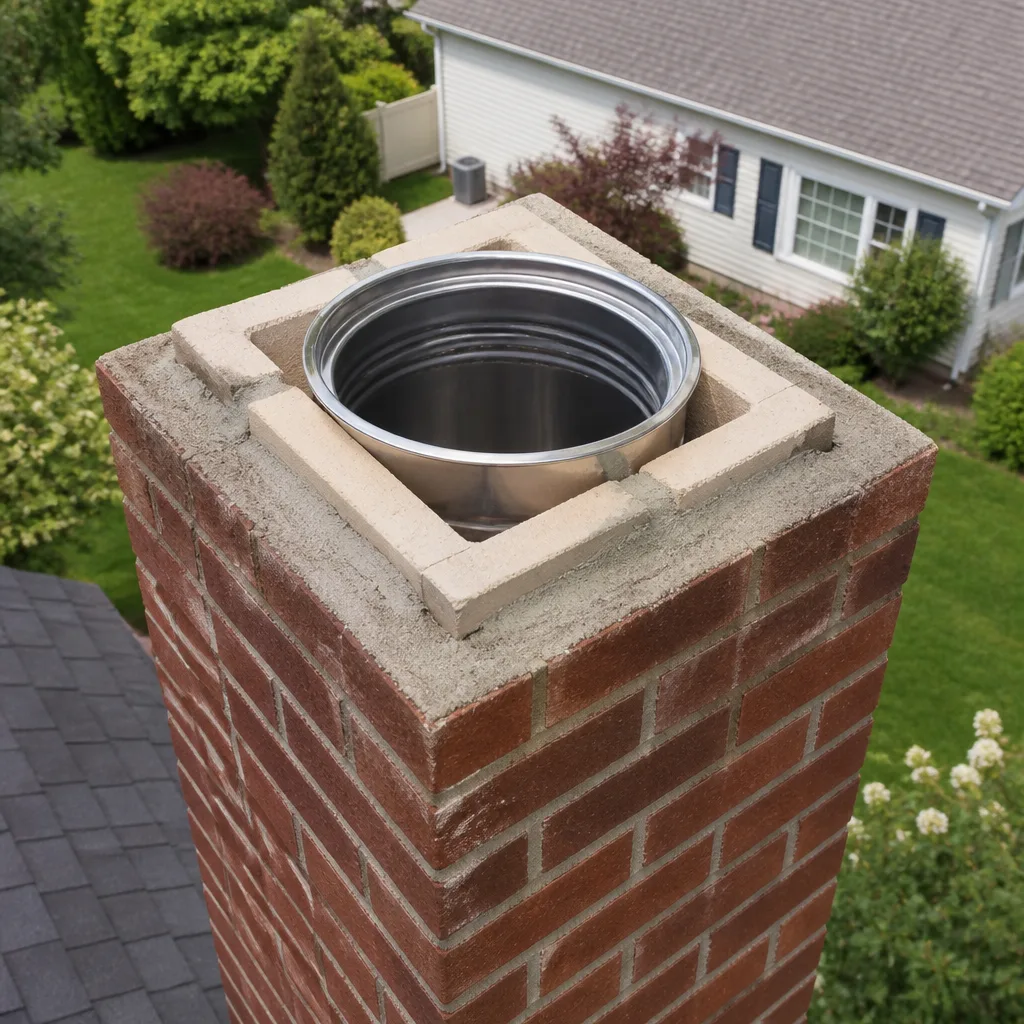 Flue relining
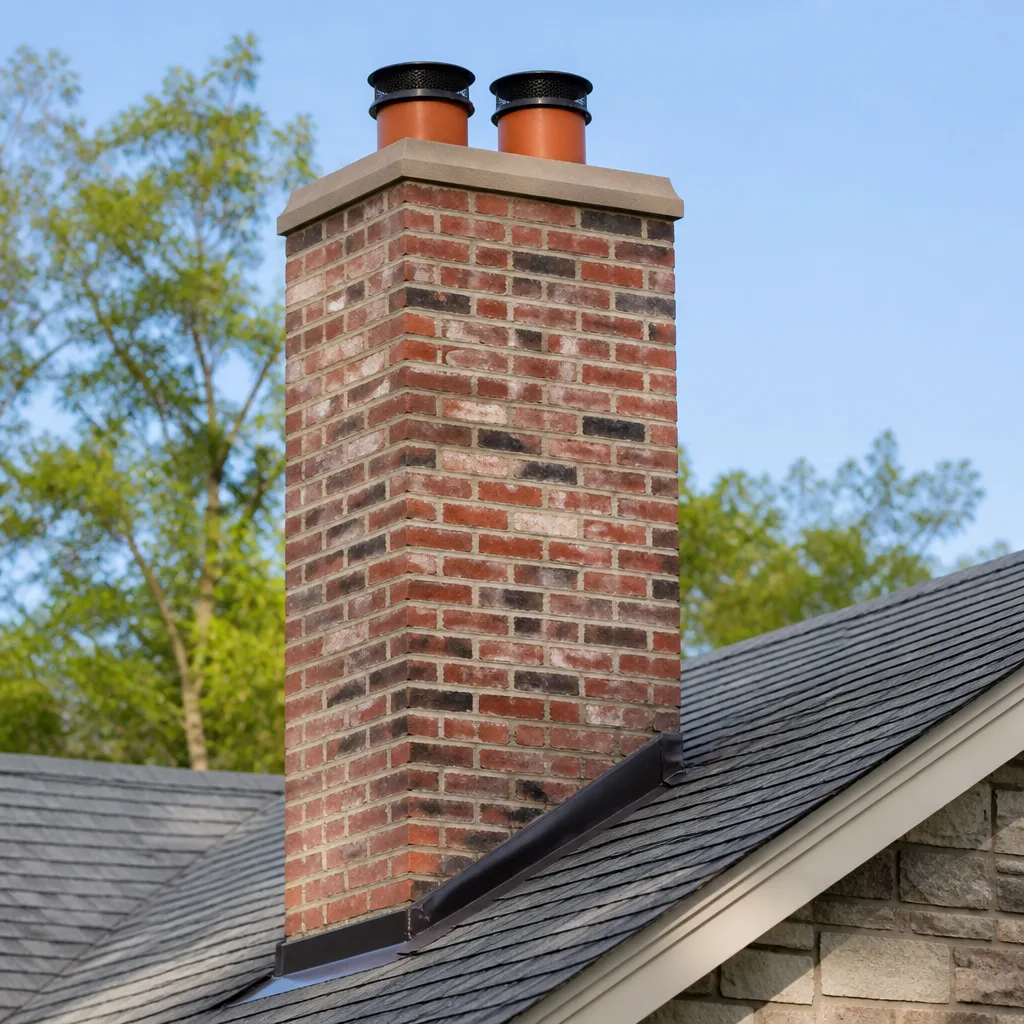 Masonry repair
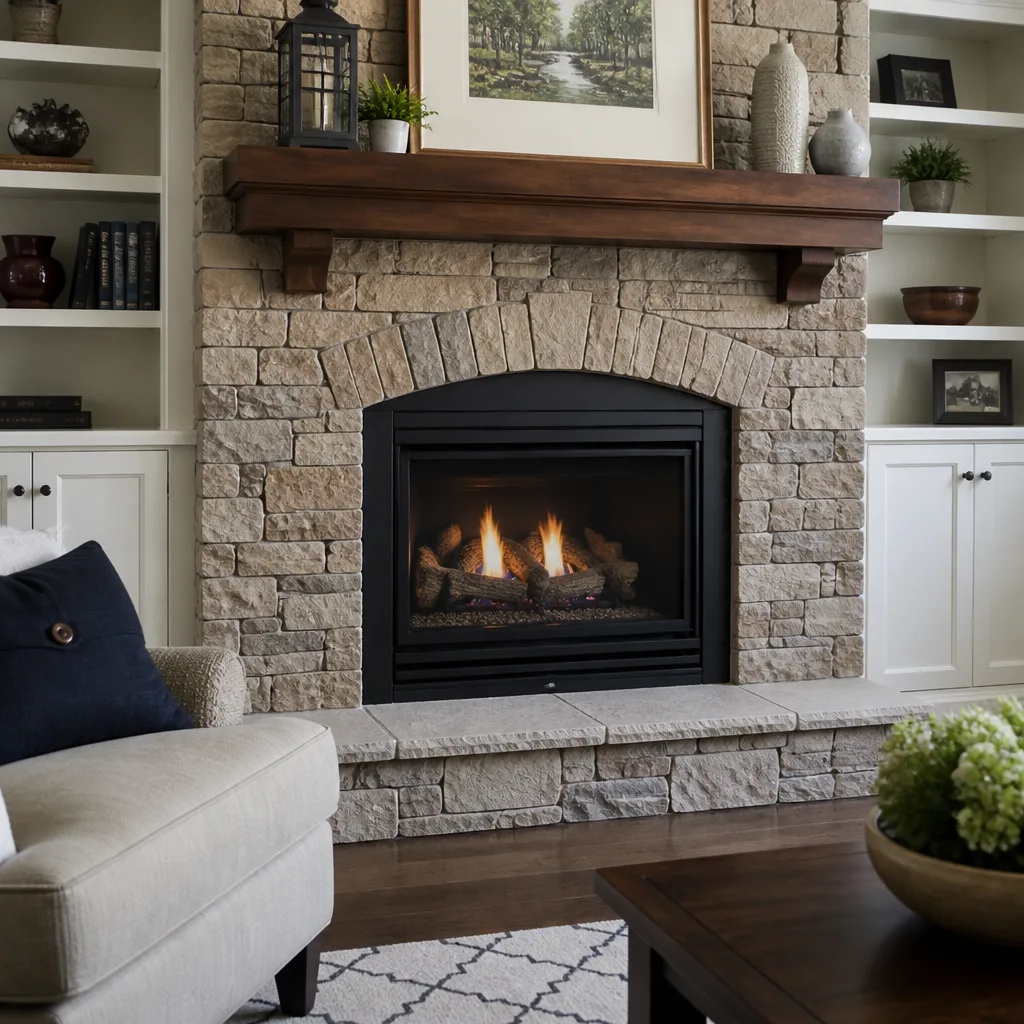 Gas fireplace service
Level 1 sweep and inspection to the NFPA 211 annual standard - flue, crown, cap, and flashing checked and photographed
Chimney sweep logs do not sweep chimneys. They loosen some creosote - which then falls where a brush and vacuum still have to collect it.
The Complete Guide to Chimney Cleaning in Columbia
Most chimney guides are written for the Northeast, where winters are long and fireplaces run hard for months. Columbia doesn’t work that way. Our burn seasons are short and intense, but our humidity runs high all year, and that combination creates creosote and moisture problems a quick seasonal sweep won’t catch. A flue that looks fine in November can be quietly spalling by July. This guide covers what chimney cleaning in Columbia actually involves, why our climate changes the maintenance math, and how to read the report a sweep hands you so you know what’s real and what’s an upsell.
Quick Answer
Chimney cleaning in Columbia means removing creosote and soot from the flue, then inspecting the full system with a camera to catch liner damage, cracked tiles, and moisture problems that brushing alone won’t reveal. Most homes here need a sweep once a year, and any home that has burned a full season should be inspected before the next one starts. A proper visit includes a written report and photo evidence, not just a cleaned flue.
Styles & brands we work with
- Sweep & inspection
- Caps & crowns
- Flue relining
- Masonry repair
- Gas fireplace service
Table of Contents
- How Columbia’s climate changes chimney maintenance
- Why short burn seasons produce more creosote
- What happens during a professional chimney cleaning
- Level 1, Level 2, and Level 3 inspections explained
- What camera inspection and rotary cleaning reveal
- How to read a sweep’s written report
- How much does chimney cleaning cost in Columbia?
- Common mistakes to avoid
How Columbia’s climate changes chimney maintenance
Columbia sits in a humid subtropical climate, and that single fact reshapes almost everything about chimney care here. Annual humidity averages above 70%, which means masonry and flue tile are absorbing and releasing moisture constantly, not just during rainy weeks. When a chimney is warm from a fire and then cools overnight in humid air, condensation forms inside the flue. That cycle repeats hundreds of times a year.
The damage shows up slowly. Mortar joints soften. Clay flue tiles develop hairline cracks that widen as water freezes in them during the occasional hard cold snap. Brick faces begin to spall, which means the surface flakes away and leaves the softer interior exposed to more moisture. None of this is dramatic enough to notice from the living room, and that’s the problem.
A homeowner in a drier climate can often go two or three years between inspections without consequences, because the chimney dries out thoroughly between burns. Homes across Columbia’s older neighborhoods, especially those with original masonry chimneys in places like Shandon and Rosewood, don’t get that drying window. The moisture load never really leaves.
What this means practically:
- Inspect annually even in years with light fireplace use, because moisture damage doesn’t care how many fires you built.
- Watch for white chalky staining on the exterior brick, which signals water moving through the masonry.
- Ask for a camera inspection at least every other year, since cracked tiles hide behind the smoke chamber.
- Keep the chimney cap intact. In a humid climate, rain intrusion accelerates every other problem.
For homeowners who want a specialist who understands how Columbia’s weather affects masonry and liners specifically, that’s the standard to hold any contractor to.
Why short burn seasons produce more creosote
Here’s the counterintuitive part: a Columbia fireplace that burns for three months can build creosote faster than a New England fireplace that burns for six. The reason is how the fire is used. Short, occasional burns mean the flue never fully heats up. A cold flue produces incomplete combustion, and incomplete combustion is what deposits creosote on the walls.
Creosote forms in three stages, and each one is harder to remove than the last:
- Stage 1 is a light, flaky soot that a standard brush removes easily. Most Columbia homes land here after a normal season.
- Stage 2 is a hardened, crusty deposit that bonds to the flue wall. It takes rotary cleaning equipment to break it loose, and this is where many quick brush-and-vacuum sweeps stop short.
- Stage 3 is a glazed, tar-like coating that has essentially fused to the tile. It’s highly flammable and usually requires chemical treatment or resurfacing to address.
In our experience, the homes that build Stage 2 and Stage 3 deposits fastest are the ones where the fire gets lit a few times a month and burned hot and fast, then left alone. That pattern is extremely common in Columbia, where cold snaps arrive and depart within days. Add unseasoned firewood to that picture and the deposits thicken further.
The fix is partly behavioral and partly procedural. Burn dry, seasoned wood and avoid the quick hot fire in a cold chimney, which produces more smoke than heat. And get the flue swept at the end of the burn season rather than the start, so the creosote doesn’t sit on the tile through the humid months pulling moisture out of the air.
What happens during a professional chimney cleaning
A real chimney cleaning is a documented process, not a ten-minute brush job. Here’s how a proper visit to a Columbia home runs:
- Setup and protection. Drop cloths go down around the hearth, and a HEPA vacuum runs the whole time so no soot escapes into the room.
- Firebox and smoke chamber cleaning. The firebox, damper, and smoke chamber get cleaned first, since this is where most of the soot accumulates.
- Flue cleaning. The flue is swept with the appropriate brush for the liner type. Masonry flues get poly or wire brushes; stainless liners get softer brushes that won’t scratch.
- Rotary cleaning when needed. For Stage 2 deposits, a rotary whip system spins against the flue walls and breaks the hardened creosote loose. This is the step that separates a real cleaning from a cosmetic one.
- Camera inspection. A closed-circuit camera runs the length of the flue. This is where cracked tiles, gaps in the mortar, and damage from a previous chimney fire become visible.
- Exterior check. The crown, cap, flashing, and brick get inspected from outside, since water entry starts at the top far more often than the bottom.
- Written report and photos. You get a documented record of what was found, what was cleaned, and what needs attention.
Watch for whether the technician uses purpose-built chimney and venting components from brands like Olympia Chimney or Copperfield when anything needs replacing. Condar or hardware-store substitutes are the tell. A specialist works with professional-grade materials because the flue is a system, not a collection of parts.
The full process usually takes an hour or two on a standard masonry chimney. Prefab systems move faster, but the inspection step matters just as much.
Level 1, Level 2, and Level 3 inspections explained
Not every chimney visit requires the same depth of inspection. The industry defines three levels, and knowing which one you need prevents both overselling and missed damage.
Level 1 inspection is the baseline. The technician checks the accessible parts of the chimney and venting system with the standard tools available, without a camera. It’s appropriate when the chimney has been routinely maintained and nothing has changed. Most annual sweeps include a Level 1.
Level 2 inspection adds a camera run through the full flue length, plus checks of the attic and crawl spaces if the chimney passes through them. You need a Level 2 when:
- You’ve just bought the home and don’t know the chimney’s history.
- The system has had a chimney fire, even a small one.
- Any change has been made to the system, including a liner replacement or a new appliance hookup.
- The home has had a significant weather event, like a storm that damaged the roof or chimney cap.
- You’re switching fuels, such as moving from wood to gas.
Level 3 inspection is invasive. It involves opening up concealed areas of the chimney or building when a serious hazard is suspected and can’t be verified any other way. This is rare, and it should never be recommended without a specific reason tied to something found in the Level 1 or Level 2.
After a storm in Columbia, or after buying a property with an unknown chimney history, a Level 2 is the right call. A contractor who only offers Level 1 work is limiting what they can find.
What camera inspection and rotary cleaning reveal
Brushing and vacuuming removes soot. It does not reveal the condition of the flue. Camera inspection does, and what it typically finds in Columbia homes falls into a few recognizable categories.
- Cracked flue tiles. Vertical or horizontal cracks in the clay tiles let heat and combustion gases reach the surrounding masonry and framing. This is a serious finding, not a minor note.
- Missing or deteriorated mortar joints. The mortar between tiles erodes over time, especially with moisture cycling. Gaps compromise the liner’s job of containing the fire.
- Offset flues and hidden ledges. Some chimneys were built with an offset that a brush can’t reach and a homeowner can’t see. Creosote collects there, and so does debris.
- Previous chimney fire damage. A chimney fire can crack tiles and warp a stainless liner without the homeowner ever noticing. Camera footage inside the flue is the only way to confirm it happened.
- Spalled masonry and water damage. The humid climate leaves its mark on the flue interior as much as the exterior.
What the camera reveals tells you which repair path makes sense. Some damage needs a full liner replacement, and flexible systems from DuraFlex are built for that job. Other cases call for resurfacing the existing flue with HeatShield, which restores a deteriorating clay liner without tearing out the whole chimney. That second option matters in Columbia because so many homes have original masonry chimneys that are structurally sound but have a failing interior.
The point of the camera isn’t to sell you work. It’s to show you what’s actually there, so you can decide with evidence instead of guesswork.
How to read a sweep’s written report
A good sweep hands you a written report with photos, and that document is the difference between a professional visit and a promise. Here’s what a legitimate report contains and how to read it:
- Date and description of services performed. What was cleaned and what was inspected, stated plainly.
- Findings with photos. Every issue should be tied to an image you can see. A cracked tile is a photo, not a phrase.
- A clear severity note. The report should tell you which findings need attention now, which can wait, and which are cosmetic. Honest contractors say when work can safely wait.
- Recommended repairs with reasoning. “Liner replacement recommended” means nothing without the photo and the reason. The report should explain why.
- What was not inspected. A good report notes any part of the system the sweep couldn’t reach, rather than implying the whole system was cleared.
What’s more revealing is documentation that’s absent. A sweep that cleans the flue, takes your payment, and leaves without a report hasn’t given you a way to verify the work or track the chimney’s condition over time. The next contractor starts from zero, and you have no record if a problem appears months later.
A report with photos also protects you from an unscrupulous upsell. If someone claims you need thousands of dollars of liner work but can’t show you the camera footage, that’s not evidence. It’s a sales pitch. The camera doesn’t lie, and neither should the report.
Related resources for Columbia homeowners
Chimney care in Columbia connects to a few other things worth understanding. If you’re searching for a chimney sweep, look for a contractor who includes a camera inspection and a written report in the visit, not just a brush and vacuum. The broader context of maintaining a home in Columbia also matters: the same humidity that affects your chimney wreaks havoc on dryer vents, which are a fire risk most homeowners ignore. That’s why we handle dryer vent cleaning on the same visit as a chimney sweep, since both systems share the same hidden failure modes. You can see the full scope of what we offer at Rutherford Chimney Sweep.
How much does chimney cleaning cost in Columbia?
Chimney cleaning in Columbia typically costs between $150 and $350 for a standard single-flue masonry chimney, and the price depends on the condition of the flue, the level of creosote present, and whether camera inspection is included. Prefab systems usually run lower, at $120 to $250. Any quote you receive should be a written estimate before work starts, with the final price set per job.
- Standard sweep with Level 1 inspection: typically $150 to $350
- Sweep plus Level 2 camera inspection: typically $250 to $450
- Rotary cleaning for Stage 2 creosote: adds to the base price depending on severity
- HeatShield resurfacing: typically $1,500 to $3,500 for a standard flue, instead of a full rebuild
- Full liner replacement with DuraFlex: typically $2,000 to $5,000, depending on length and system
These are estimates. The written estimate sets the final price, and nothing should be charged beyond it without your approval. Be wary of any contractor who gives a low sweep price and then discovers expensive “needed repairs” after the fact. Ask for the camera footage and the written report, and take your time deciding. Call (844) 940-3007 for an exact quote. Estimates are free.
What happens when you call
When you call about a chimney cleaning in Columbia, the first question is usually what the home looks like and what kind of fireplace or wood stove you have. That information helps set up the right equipment for the visit. We schedule the sweep, then arrive with the vacuum, rotary tools, and camera ready to go.
We answer 24/7. A call outside dispatch hours is booked into the next opening. Fast dispatch runs from 7am to 7pm, Sunday through Friday, and we’re closed on Saturday. You don’t need to be home for the exterior inspection, but being present for the camera report is worth it, since you’ll have questions, and you’ll want to see the footage yourself.
The visit itself runs an hour or two. Afterward, you’ll have a cleaned flue, a documented inspection, and a clear picture of what needs attention and what can wait. There’s no pressure to book repair work on the spot. Read the report, look at the photos, and decide on your own timeline.
Common mistakes to avoid
- Waiting for a problem to show up. Chimney damage stays invisible until it doesn’t. In Columbia’s humidity, a flue can deteriorate between seasons without any visible sign inside the house, so annual inspection catches it before it turns into a rebuild.
- Hiring a handyman who added chimney work to the list. Chimney cleaning requires specific tools and training. A generalist with a brush can’t spot flue tile damage or run a camera properly, and that missing expertise is exactly where the risk lives.
- Skipping the camera because the sweep looked fine. A clean flue and a safe flue aren’t the same thing. The camera is the only way to see cracked tiles, mortar loss, or old fire damage behind the smoke chamber.
- Burning unseasoned wood. Green wood produces more smoke and more creosote. In Columbia’s short burn seasons, the creosote buildup from wet wood compounds fast, because the flue never gets hot enough to burn it off.
- Ignoring the dryer vent. The dryer vent is a second hidden fire risk, and most homeowners never think about it. Lint buildup in the vent is the same kind of problem as creosote, and it deserves the same attention.
- Accepting repair work without photos. Anyone can claim you need a liner. Ask to see the evidence. If the contractor can’t show you the camera footage, don’t approve the work.
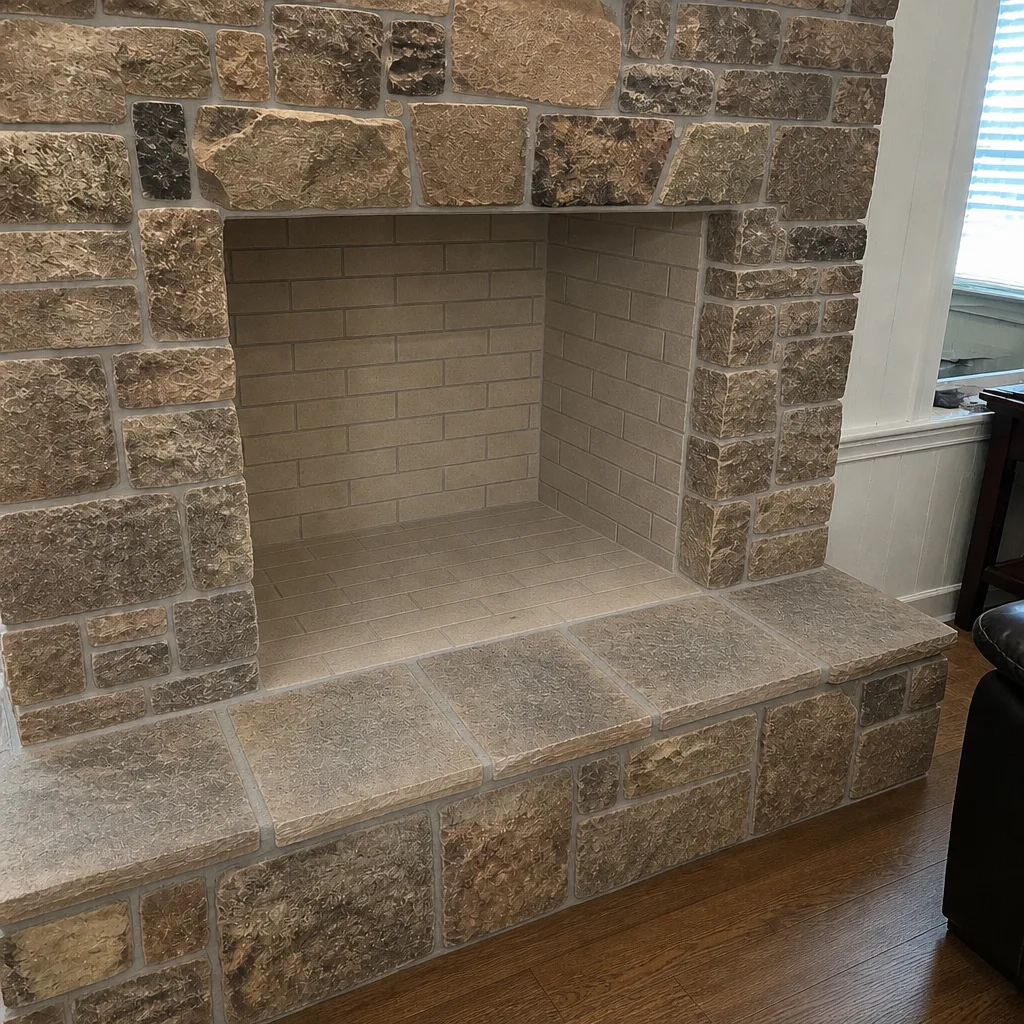
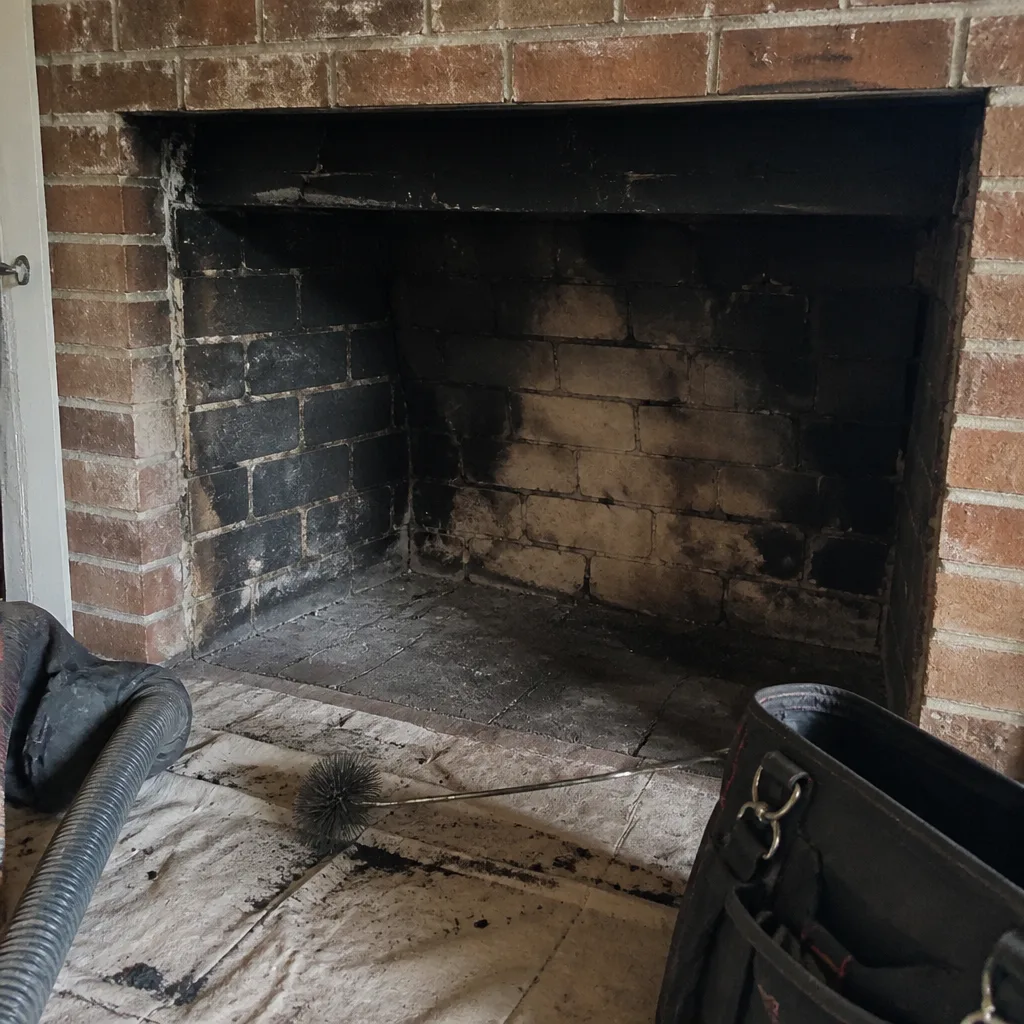
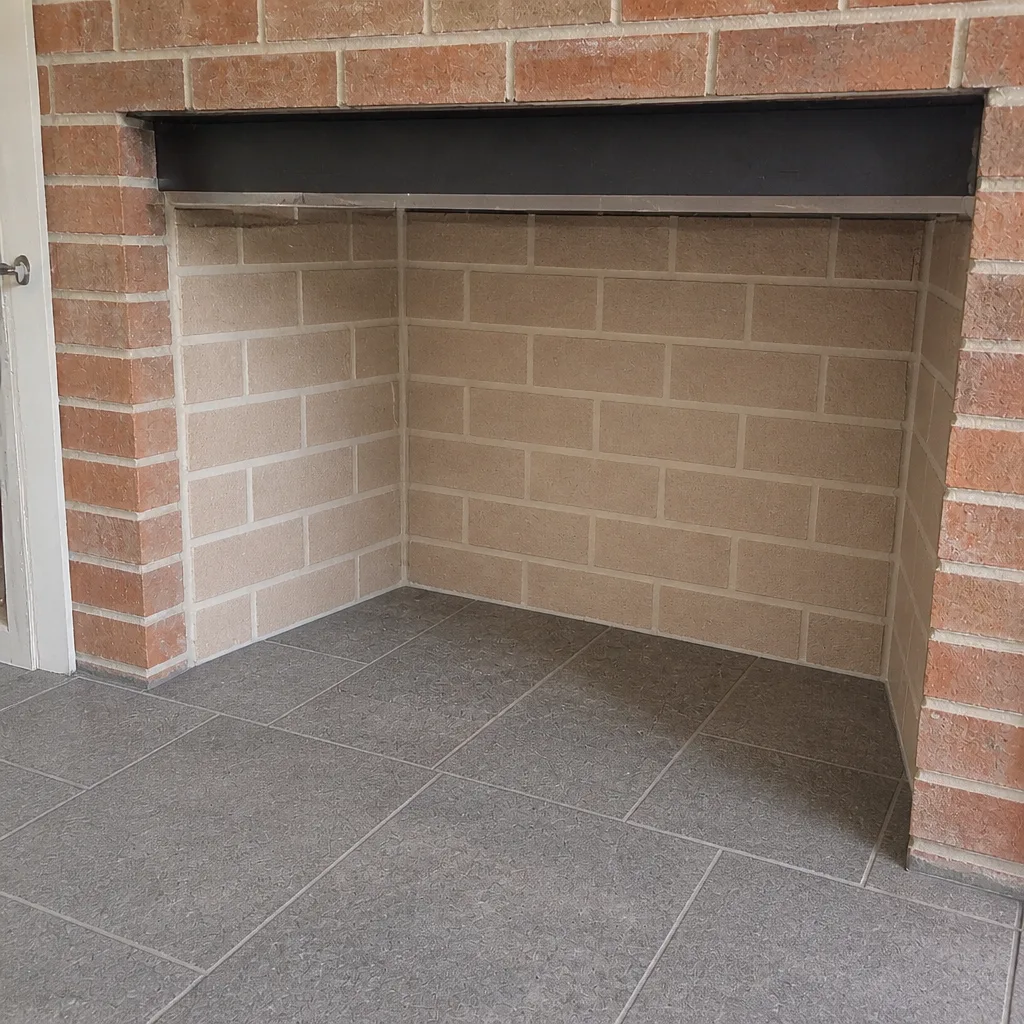
See the difference
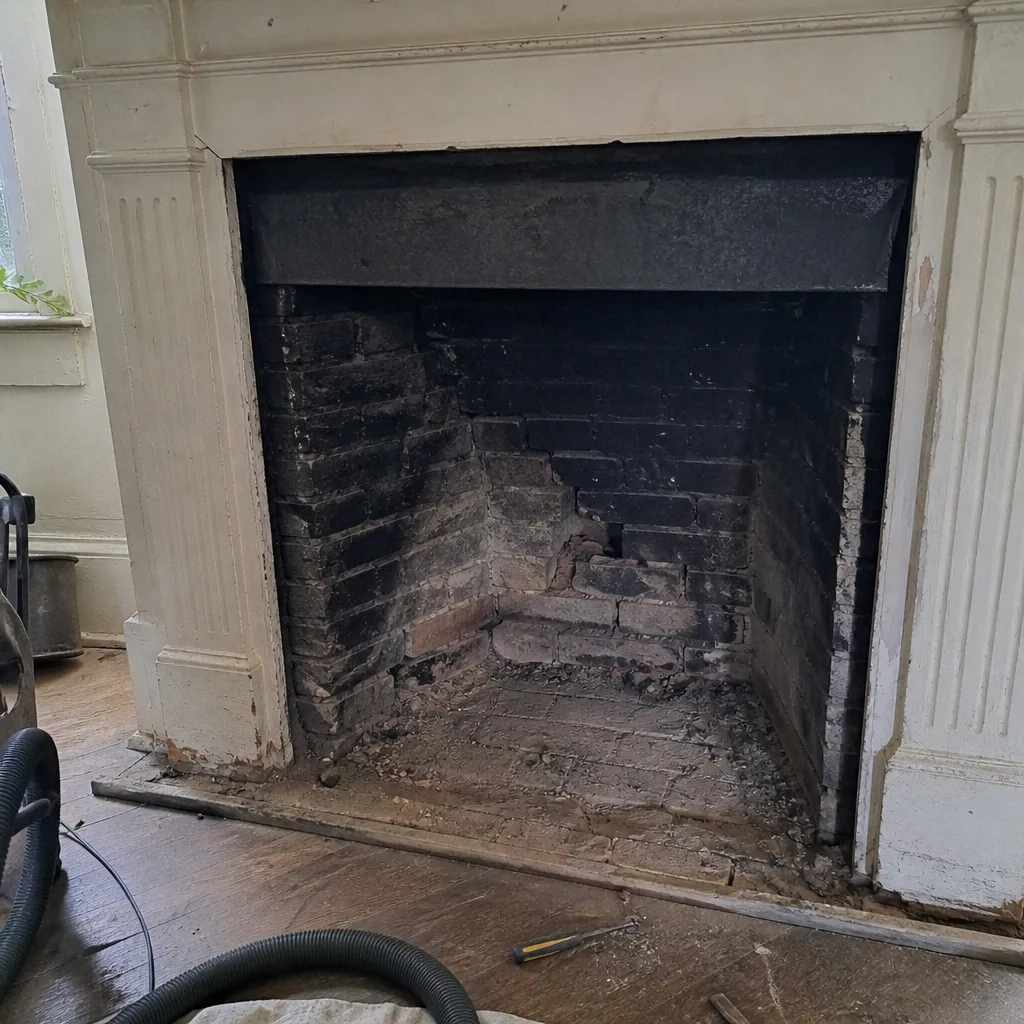 Before
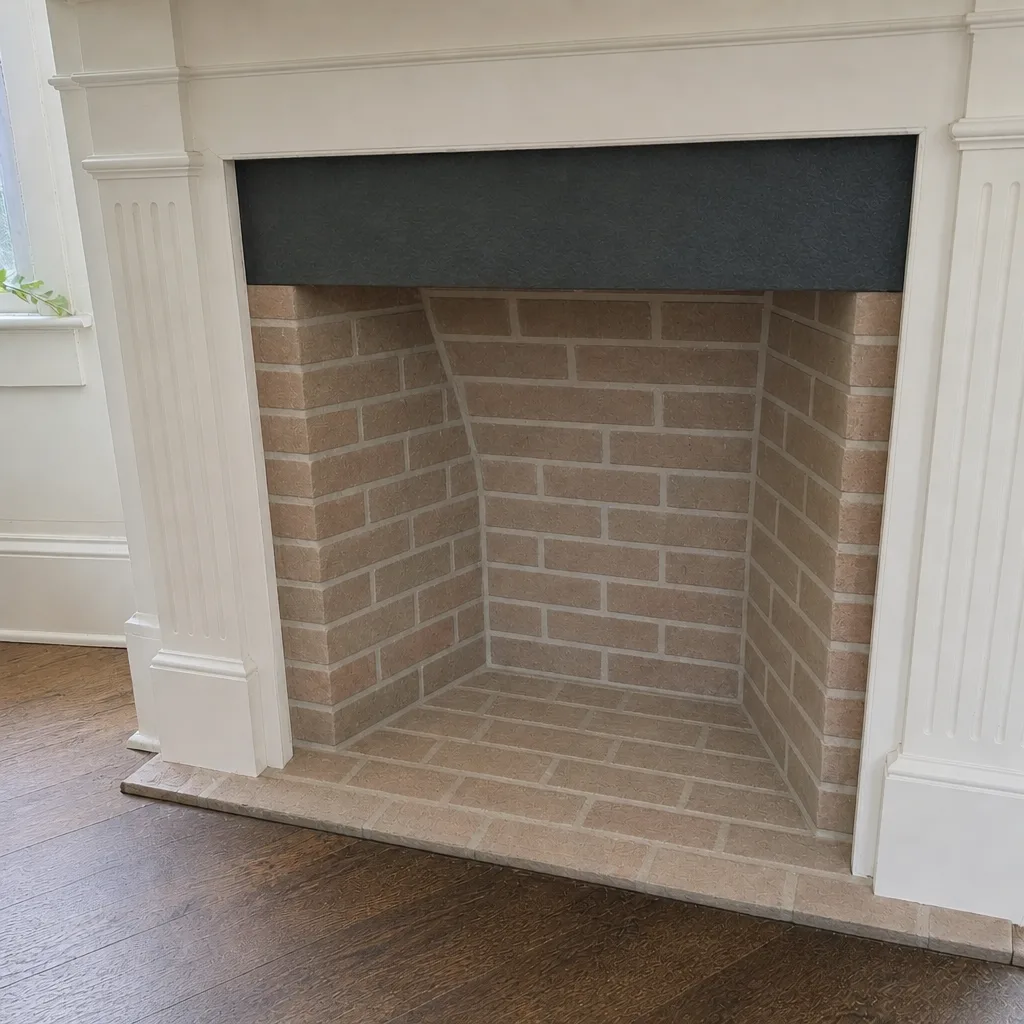 After
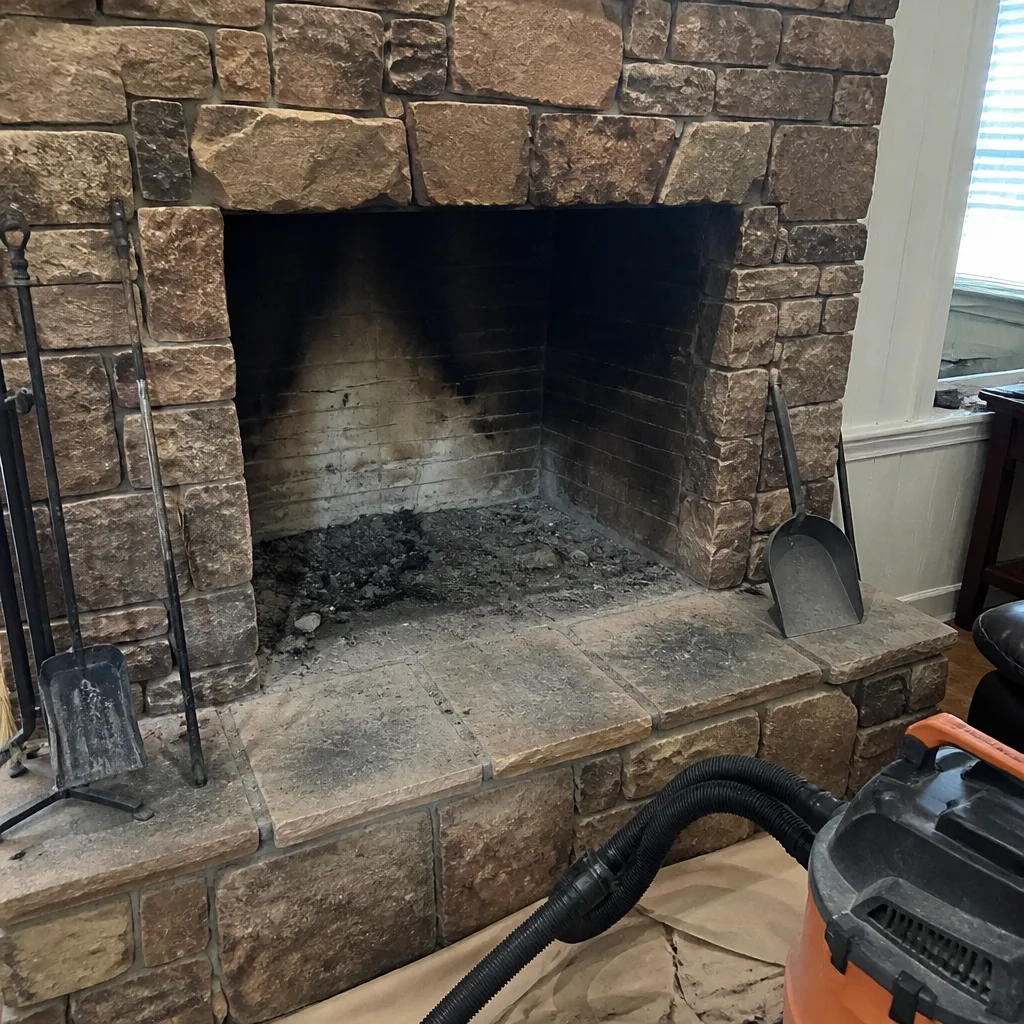 Before
 After
 Before
 After
When to Call a Professional
Call a professional chimney sweep when you’ve burned a full season, when you’ve just bought a home with a chimney of unknown history, or when you notice signs of trouble like a strong smoky smell after a fire, white staining on exterior brick, or a damper that won’t seal. Any chimney fire, even a small one, means a Level 2 inspection right away. And if you’ve never had the flue inspected since moving in, that first visit is worth scheduling before the next burn season starts. Rutherford Chimney Sweep offers free estimates in Columbia, and we’ll tell you plainly what needs attention and what can wait. Call (844) 940-3007. We answer 24/7, and fast dispatch runs from 7am to 7pm.
Frequently Asked Questions
Once a year for most homes, and always at the end of the burn season rather than the start. The humid climate here means creosote stays on the flue wall through the wet months, pulling moisture into the masonry and accelerating tile damage. An annual sweep with a camera inspection catches that cycle before it becomes a structural issue.
Creosote builds up and becomes flammable, which raises the risk of a chimney fire. Moisture trapped against the flue wall also accelerates spalling and tile cracking, and those problems are invisible until they cause a draft failure or a Carbon Monoxide hazard. The longer it’s skipped, the more likely the repair involves a full relining rather than a sweep.
Only when the camera shows the existing liner can’t contain the fire or the venting gases safely. Cracked tiles, missing mortar joints, and damage from a past chimney fire are the usual reasons. HeatShield resurfacing can restore a deteriorating clay flue without a full tear-out in many cases, so a new liner isn’t always the only option. Call (844) 940-3007 for an honest assessment with photos you can see.
A typical sweep runs $150 to $350 for a standard masonry chimney, with camera inspection and rotary cleaning adding to the base price depending on what’s found. The written estimate sets the final price, and you’ll get it before work starts. Call (844) 940-3007. Estimates are free.
A Level 1 is a visual check of accessible parts, usually included with an annual sweep. A Level 2 adds a camera run through the full flue and checks hidden spaces, and you need one after a storm, a property purchase, a chimney fire, or any system change. In Columbia, a Level 2 is the right call after any storm that damages the roof or chimney cap.
Yes, more than most homeowners expect. Annual humidity averaging above 70% means the masonry stays wet enough that freeze-thaw cycles and constant moisture cycling do real damage to mortar joints and flue tiles. This is why Columbia chimneys often need attention that a dryer climate would let go for years.
Yes, and it’s worth doing. The dryer vent is a fire risk like the chimney, and lint buildup in the vent is the same kind of hidden problem. Scheduling both on the same visit saves you a second appointment and covers both systems at once. Call (844) 940-3007 to book them together.
The Bottom Line
Chimney cleaning in Columbia isn’t a generic service. The humid subtropical climate, short but intense burn seasons, and long humid off-seasons create creosote and moisture conditions that a quick seasonal brush job won’t catch. The right maintenance looks like this: an annual sweep at the end of the burn season, camera inspection to catch hidden damage, and a written report with photos you can actually read. Repair work should always come with evidence, not a pitch, and when the camera shows a failing flue, HeatShield resurfacing or a DuraFlex liner may solve the problem without a full rebuild. Do the annual inspection, read the report, and call when something doesn’t look right.
If you’re looking for professional-grade materials and a specialist who understands Columbia’s climate, call Rutherford Chimney Sweep at (844) 940-3007 for a free estimate. We answer 24/7, and fast dispatch runs from 7am to 7pm, Sunday through Friday.
Written by the team at Rutherford Chimney Sweep.