
Last updated November 15, 2026
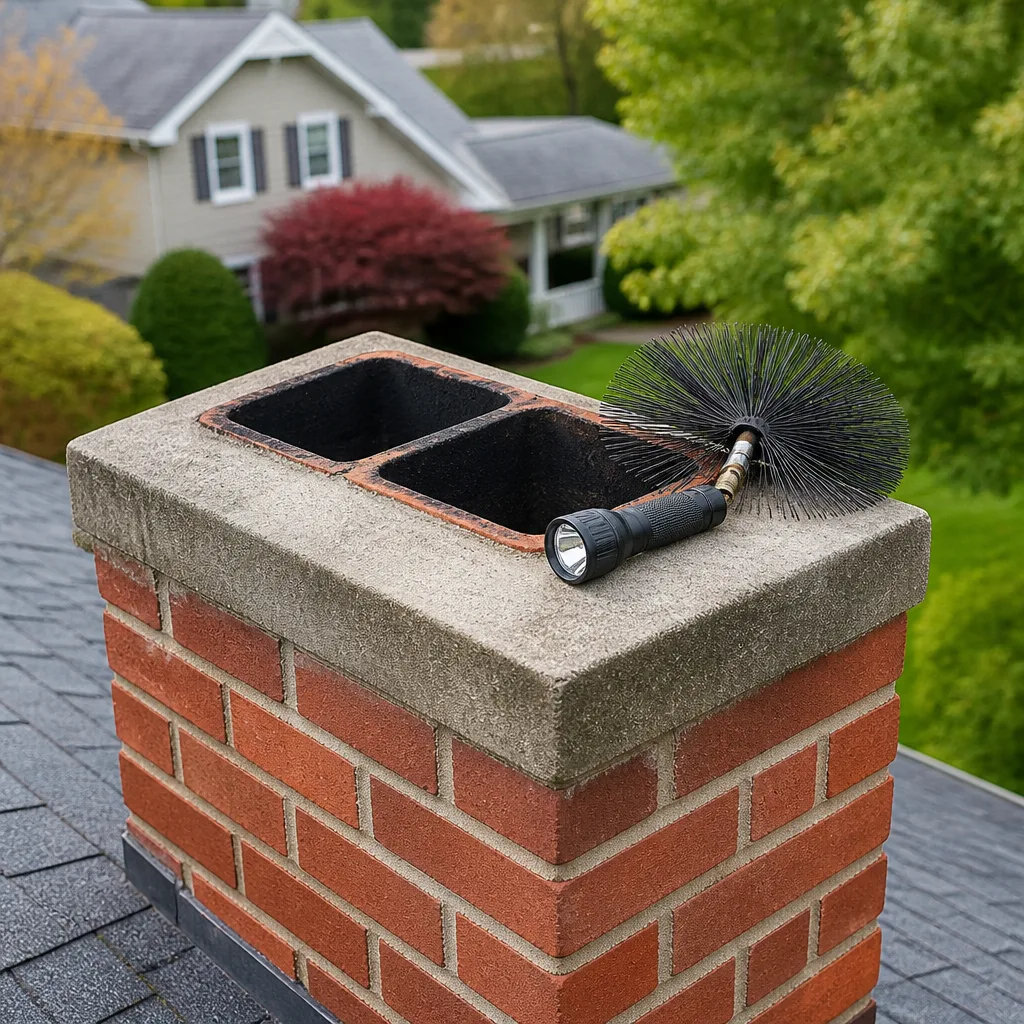 Sweep & inspection
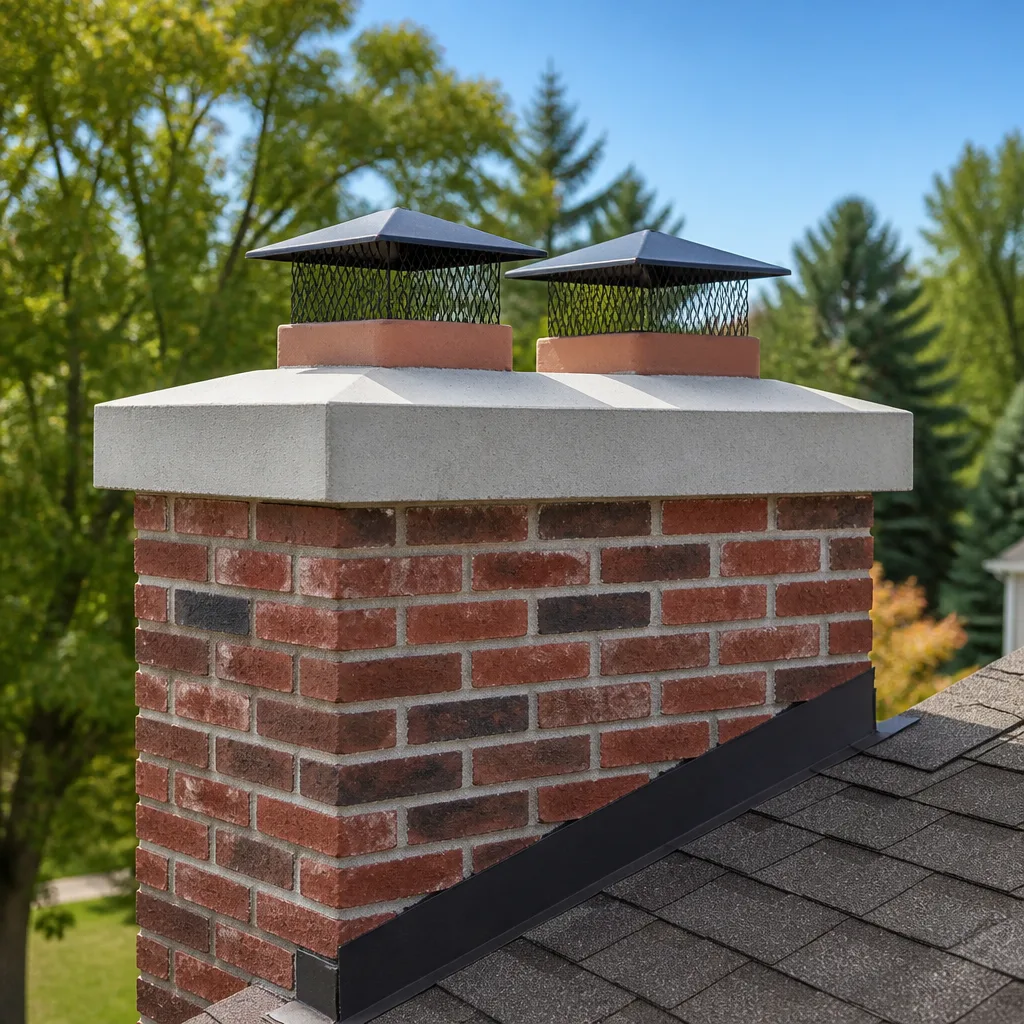 Caps & crowns
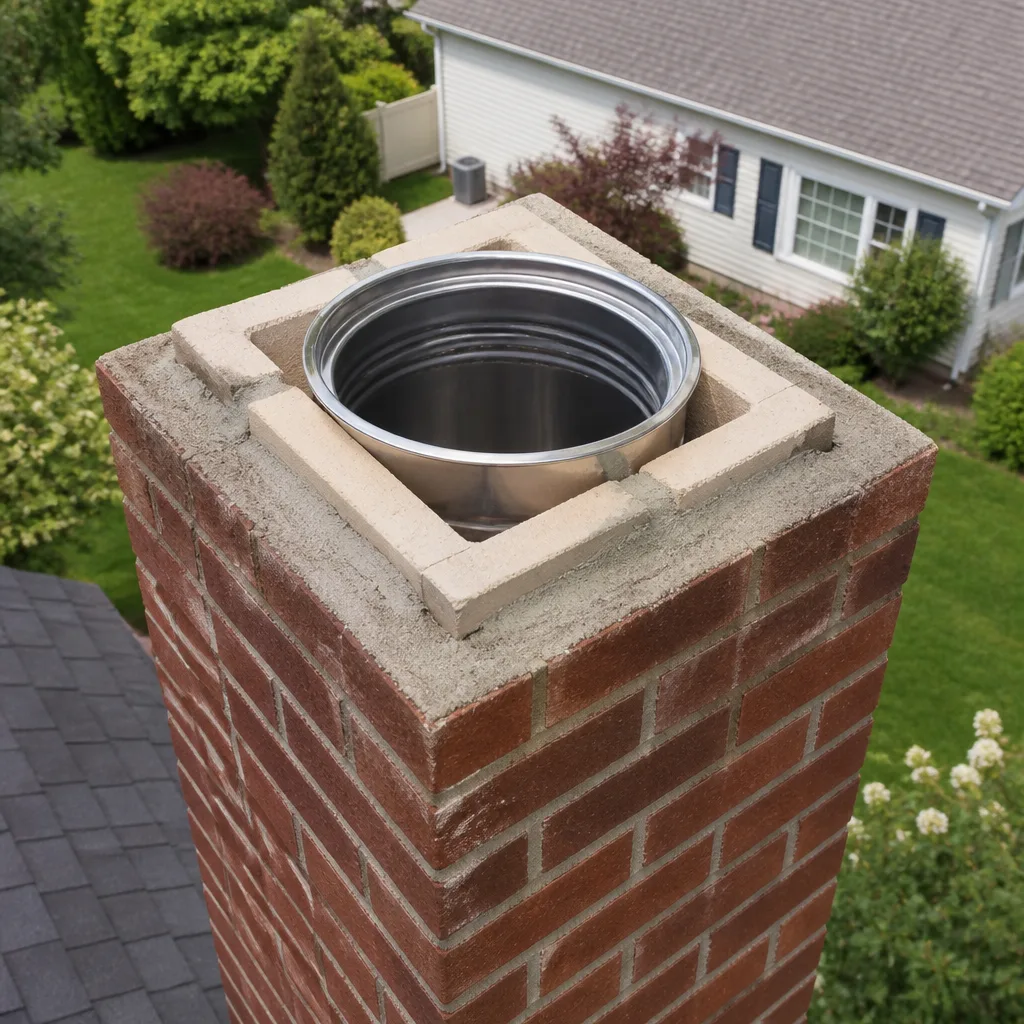 Flue relining
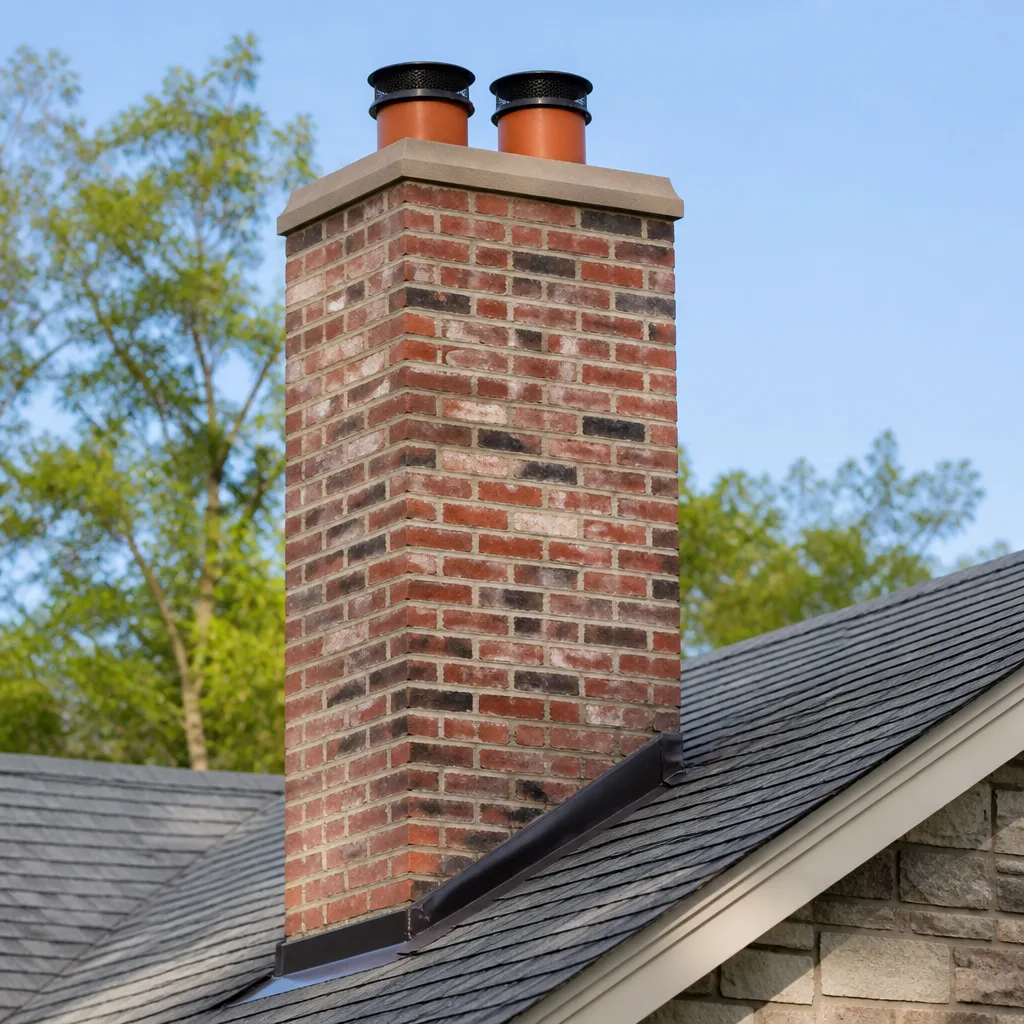 Masonry repair
 Gas fireplace service
Level 1 sweep and inspection to the NFPA 211 annual standard - flue, crown, cap, and flashing checked and photographed
Chimney sweep logs do not sweep chimneys. They loosen some creosote - which then falls where a brush and vacuum still have to collect it.
DIY vs Professional Chimney Cleaning: The Columbia Homeowner’s Decision Guide
You can buy chimney cleaning rods and brushes at a home improvement store for under $60. What you can’t buy there is the camera to see what the brush left behind, the training to recognize a cracked tile versus a shadow, or the insurance coverage if something goes wrong while you’re on the roof. That gap is the whole debate. Most guides frame this as a cost question, and that’s the wrong frame. The real question is capability: what can a careful homeowner do responsibly in Columbia, and where does amateur work start creating risk that no savings justify? This guide draws that line precisely, task by task, so you know exactly what’s yours to handle and what isn’t.
Quick Answer
A homeowner can safely clean the firebox, remove ash, and check the cap from ground level. Cleaning the flue itself is a different job: it needs rotary equipment and a camera to verify the work is actually complete, and consumer brush kits provide neither. Professional cleaning matters most when a chimney hasn’t been inspected since a home purchase, after any structural event, or before a gas appliance is installed. For everything above the firebox, the honest answer is that a trained technician with the right tools gets a materially different result, not a marginally better one.
Styles & brands we work with
- Sweep & inspection
- Caps & crowns
- Flue relining
- Masonry repair
- Gas fireplace service
Table of Contents
- Where the DIY Line Actually Sits
- What You Can Safely Do Yourself
- Why the Flue Is Different From the Firebox
- The Equipment Gap Nobody Talks About
- Insurance, Liability, and the Paper Trail
- How Columbia’s Climate Affects Chimney Wear
- The One Scenario Where a Sweep Isn’t Optional
- How to Choose a Chimney Professional in Columbia
Where the DIY Line Actually Sits
The useful line isn’t “inside versus outside” or “easy versus hard.” It’s whether a task can be completed, verified, and safely undone if something goes wrong. Firebox cleaning passes all three tests. Flue cleaning fails the verification test badly, because the part that matters is hidden from view and the consequence of an incomplete job is a slow-building fire hazard you won’t notice until it’s severe.
We’ve seen plenty of chimneys in Columbia where a homeowner did real work with good intentions and still left creosote packed into the smoke chamber, the offset, or the top few inches of flue. Those are the spots a straight brush glides past. The homeowner can’t see them, doesn’t know to check them, and has no reason to suspect the job is half done.
Our experience on the technical side is what shapes how we frame this. Our technicians have up to 15 years of experience, and every one of them learned to read a chimney with a camera rather than a flashlight. That isn’t a sales point. It’s the reason we can tell you with confidence which tasks are genuinely within a homeowner’s reach and which ones just look like they are.
A Simple Decision Test
- Can you reach it safely without special equipment? If it requires a roof, a ladder above one story, or leaning into the flue, it’s out of DIY range.
- Can you verify the result? If the completed task looks identical to the unfinished one, you can’t verify it. Flue cleaning fails here.
- Is there a hidden consequence if you get it wrong? Creosote buildup and cracked tiles are hidden consequences. Ash on the hearth is not.
- Does an insurance claim ever depend on it? If a fire claim could hinge on the record of this work, a professional inspection belongs on file.
What You Can Safely Do Yourself
Homeowners in Columbia can handle a meaningful amount of chimney upkeep, and it’s worth doing because it makes the annual professional visit faster and cheaper. These tasks don’t require a roof, a camera, or a certification. They require gloves, a shop vacuum, and a few minutes of attention.
- Firebox cleaning. Sweep down the firebox walls and floor once the firebox is fully cold. A stiff brush and a vacuum with a fine filter handle most of it. This is the single highest-value thing you can do between professional sweeps.
- Ash removal. Empty the ash pit or firebox regularly so ash doesn’t pile against the grate or block airflow. Keep a small layer on the grate if you burn wood, since it helps the fire start cleanly.
- Glass and door cleaning on a gas or wood insert. Soapy water and a soft cloth on cool glass. Check the door gasket by feel while you’re there; a worn gasket lets air in and reduces control over the burn.
- Ground-level exterior inspection. From the yard, look at the cap, the crown, and the exterior masonry. You’re looking for obvious damage: a loose cap, a visible crack in the crown, crumbling mortar joints, or staining on the exterior brick.
- Cap check from the ground. Confirm the cap is present and sitting level. A missing or dislodged cap is a common way animals and rainwater get in, and it’s visible from below without a ladder.
- Damper operation. Make sure the damper opens and closes smoothly and seals when closed. A damper that won’t close fully sends heat up the flue when the fireplace isn’t in use.
None of this replaces a professional cleaning. It reduces how much buildup the professional has to deal with, and it keeps you familiar with your own system. A homeowner who knows what their cap and crown look like is a homeowner who notices when something changes.
Why the Flue Is Different From the Firebox
Cleaning the flue is not cleaning the firebox at a higher elevation. The flue is a vertical column with offsets, transitions, and a smoke chamber at the bottom that creates turbulence and collects deposits where a straight brush can’t reach. Consumer brush kits are designed for a straight run. Real chimneys aren’t straight.
What a professional flue cleaning actually involves:
- Protect the living space. Drop cloths, a sealed work area, and a high-efficiency vacuum running the whole time. This is why professional cleaning leaves no dust in the room.
- Access the flue from the correct point. That may be the top, the firebox, or a cleaning door, depending on how the chimney was built. Getting this wrong is how damage happens.
- Use rotary equipment, not just a hand brush. A rotary head spinning on a flexible rod follows the flue’s shape and scours glaze and hard deposits that a hand brush polishes rather than removes. This is the core difference between a professional sweep and a homeowner sweep.
- Clean the smoke chamber and the damper area. These are the parts most often skipped and the parts that hold the most creosote by volume.
- Verify with a camera. After cleaning, a camera down the flue confirms the deposits are gone and checks the liner for cracks, gaps, or spalling. A homeowner with a hand brush has no way to do this step at all.
In our experience, this is where the DIY conversation quietly ends. It isn’t that a homeowner can’t push a brush up a flue. It’s that without a camera, neither the homeowner nor anyone else knows what the brush actually accomplished. An incomplete flue cleaning is worse than no cleaning in one specific way: it creates a false sense of security. A homeowner who believes the chimney is clean stops thinking about it.
For a more complete look at how a professional cleaning works end to end, see our page on chimney sweep services in Columbia.
The Equipment Gap Nobody Talks About
Retail chimney brushes are made for occasional homeowner use. Professional tools are made for the actual job, and the difference in results comes from a handful of specific capabilities that consumer kits simply don’t have. This isn’t marketing. It’s the reason a professional cleaning takes an hour and a homeowner attempt takes an afternoon without finishing.
- Rotary cleaning heads on flexible rods. Consumer kits are hand brushes on rigid or semi-flexible rods. Rotary equipment follows flue geometry and scours hard, glazed creosote. A hand brush cannot do this.
- Inspection cameras. The single most important piece of equipment in a professional cleaning is the camera, because it’s the only tool that confirms the work is done. Everything else is upstream of verification.
- Professional-grade vacuums with HEPA filtration. A shop vacuum will spread fine soot through a house. A professional vacuum captures it at the source.
- Purpose-built components for repairs. When a cleaning turns up a cracked flue tile or a failing liner, the repair materials matter. We work with DuraFlex flexible liner systems and HeatShield resurfacing, and we source from Olympia Chimney and Copperfield. These are trade-supply products, not hardware-store substitutes.
- Correct sealing and finishing materials. Even small components like caps and venting come from brands like Gelco, because a cheap cap that doesn’t fit properly lets water in and undoes everything underneath it.
The equipment gap produces a different class of result, not a slightly better one. A homeowner cleaning a flue with a hand brush is doing a real task with the wrong tool for the geometry. A professional cleaning with rotary equipment and camera verification produces a documented, verifiable result. Those are two different outcomes, and only one of them lets you stop thinking about your chimney for the year.
Insurance, Liability, and the Paper Trail
Here’s the part of the DIY debate that gets almost no attention: documentation. If a chimney fire or a carbon monoxide incident happened and your insurance carrier asked for records of the last inspection, what would you hand them? A receipt for a brush kit? That’s the entire question.
We’re not going to tell you that a DIY-cleaned chimney automatically voids a claim, because that isn’t how insurance works and we’re not your carrier. What we can tell you is that insurance claims involve investigation, and investigations look for records. A professional cleaning produces a document with a date and an inspection result. A homeowner cleaning produces nothing on paper. When a claim is reviewed, the chimney with a professional inspection on file is in a stronger position than the chimney with no record at all.
There’s a second liability dimension that’s specific to the roof. Climbing onto a roof is a genuinely hazardous activity, and there’s no professional standing behind a homeowner’s fall. That’s not a scare tactic; it’s the reason professional chimney work is insured and bonded. The cost of a professional cleaning is small next to the cost of a fall. If your roof is steep, wet, or more than one story, the ladder alone should settle the decision.
One more consideration specific to the trade: when a professional sweeps your chimney, the working relationship means you get an honest assessment of what needs repair and what can safely wait. Nothing gets added to the estimate without evidence you can look at yourself. If a repair is recommended, you should see the camera footage that justifies it. That’s the standard we hold ourselves to, and it’s the standard worth asking about before hiring anyone.
How Columbia’s Climate Affects Chimney Wear
Chimneys in Columbia live in a climate that’s warm and humid for most of the year, with a real winter burn season and long stretches in between when the fireplace sits unused. That rhythm matters for chimney condition, and it changes the DIY calculation a little.
Warm, humid air gets into a masonry chimney during the off season and condenses on cooler interior surfaces. Over time, that moisture works on mortar joints and brick faces from the inside, which is one reason exterior masonry inspections are worth doing from the ground even in summer. A chimney that looks fine in January can show efflorescence, spalling, or a crumbling crown by July. Those are visible from the yard, so this is one inspection task homeowners can genuinely do themselves. What homeowners can’t do from the ground is see the inside of the flue, which is where the moisture damage actually starts.
The burn season pattern also affects creosote. A fireplace used intermittently with green or unseasoned wood produces creosote at a different rate than one used steadily with dry wood. In Columbia’s climate, wood that’s stored outside can pull moisture back in during humid months, which is worth keeping in mind when you buy or split firewood. Drier wood means less creosote, and less creosote means the flue can go longer between cleanings. Seasoned wood, a hot fire, and a working damper are the three things that reduce buildup, and none of them require a professional.
For the broader picture of chimney maintenance across the area, our guide to Columbia has more on the local rhythms of the burn season and what maintenance looks like through the year.
The One Scenario Where a Sweep Isn’t Optional
There are three situations where a professional inspection isn’t a judgment call. In each of them, the chimney has an unknown condition, and the cost of not knowing is genuinely disproportionate to the cost of an inspection.
- Any chimney that hasn’t been inspected since a home purchase. When you buy a house, you inherit whatever the previous owner did or didn’t do. A home inspection generally doesn’t include a camera-level view of the flue, so a chimney that “looks fine” can have years of undetected buildup, a cracked tile, or a liner that’s failed quietly. An inspection before the first burn is the single most valuable thing a new homeowner can do.
- After any structural event. An earthquake, a lightning strike nearby, a chimney fire (known or suspected), a roof replacement, or any work that involved impact near the chimney. A cracked flue tile can look fine from the firebox and be a path for carbon monoxide into the house. The camera is the only way to know.
- Before a gas appliance installation. Gas appliances vent differently than wood fires, and the venting has to be correct before the appliance goes in. A professional inspection confirms the flue is sized and lined correctly for the appliance, not just that it’s clean. Getting this wrong is a carbon monoxide risk, and carbon monoxide is the reason gas venting has its own standards.
We’ll add one more to the list, because it comes up more than the other three: any time a chimney has never been swept and the homeowner doesn’t actually know its history. “We’ve never had a problem” isn’t the same as “we know the condition of the flue.” The first is an assumption; the second is a documented inspection.
How to Choose a Chimney Professional in Columbia
Once you’ve decided to have a professional sweep, the next decision is who does it. The questions worth asking are specific, and the answers separate a specialized chimney company from a generalist who added chimney work as a line item.
- Do they use a camera and can you see the footage? A professional cleaning includes a camera inspection, and you should be able to see what they saw. If the answer is vague, that’s your answer.
- What materials do they use for repairs? This is the question most homeowners don’t ask. A company that relines a chimney with trade-supply systems stands behind a different standard of work than one that patches with retail materials. We work with DuraFlex and HeatShield for relining and resurfacing, and we’ll tell you why the material matters on your specific job.
- Can they resurface a liner without a full tear-out? Not every chimney failure needs a rebuild. HeatShield resurfacing restores a deteriorating flue from the inside, which is a repair option many chimney companies don’t offer at all.
- Do they handle dryer vents as well? A dryer vent is a second fire-risk system in the same house, and having both cleaned in one appointment is more thorough than scheduling two contractors separately. Our dryer vent cleaning work is done alongside chimney service for exactly that reason.
- Is the estimate free and the price set in writing? The written estimate should set the final price, not a range. Ask for it in writing before any work starts.
- Are they licensed and insured? Confirm both before anyone gets on a roof.
For a fuller look at what a specialized chimney company actually covers, the Rutherford Chimney Sweep page lays out the three service categories: cleaning and inspection, repair including relining and resurfacing, and dryer vent cleaning. One call covers all three, and that matters when a cleaning turns up a repair. The alternative is a referral and a second appointment, and the chimney sits in whatever condition the cleaning found it.
Common Mistakes to Avoid
- Buying a brush kit and assuming the job is done. A hand brush goes up a flue, but without rotary equipment it can’t reach the smoke chamber and the top of the flue where creosote concentrates. The chimney looks clean from the firebox and isn’t.
- Cleaning the firebox and calling it a chimney cleaning. Firebox cleaning is valuable and safe, but it doesn’t touch the flue. Confusing the two is the single most common DIY error we see in Columbia homes.
- Skipping the camera inspection because the cleaning looked easy. How hard a cleaning was tells you nothing about what’s inside the flue. A cracked tile doesn’t announce itself, and it’s the camera that finds it.
- Getting on a roof without fall protection or training. A wet roof in Columbia after a rain is a genuine hazard, and a fall from height is the most serious risk in this entire debate. It’s not worth the savings.
- Buying a cheap cap or vent component to finish a repair. A cap that doesn’t fit correctly lets water into the flue and undoes the money you spent on the repair underneath it. Purpose-built components from a brand like Gelco cost more than a hardware-store substitute for a reason.
- Having a liner patched with retail material. A flue liner that’s failing is a carbon monoxide path. A proper repair uses a certified system like HeatShield or a DuraFlex liner, not a patch that’s rated for something else.
- Waiting for a problem instead of an inspection. Chimney damage usually doesn’t produce a symptom until it’s advanced. An inspection is how you find it early, when the repair is small.
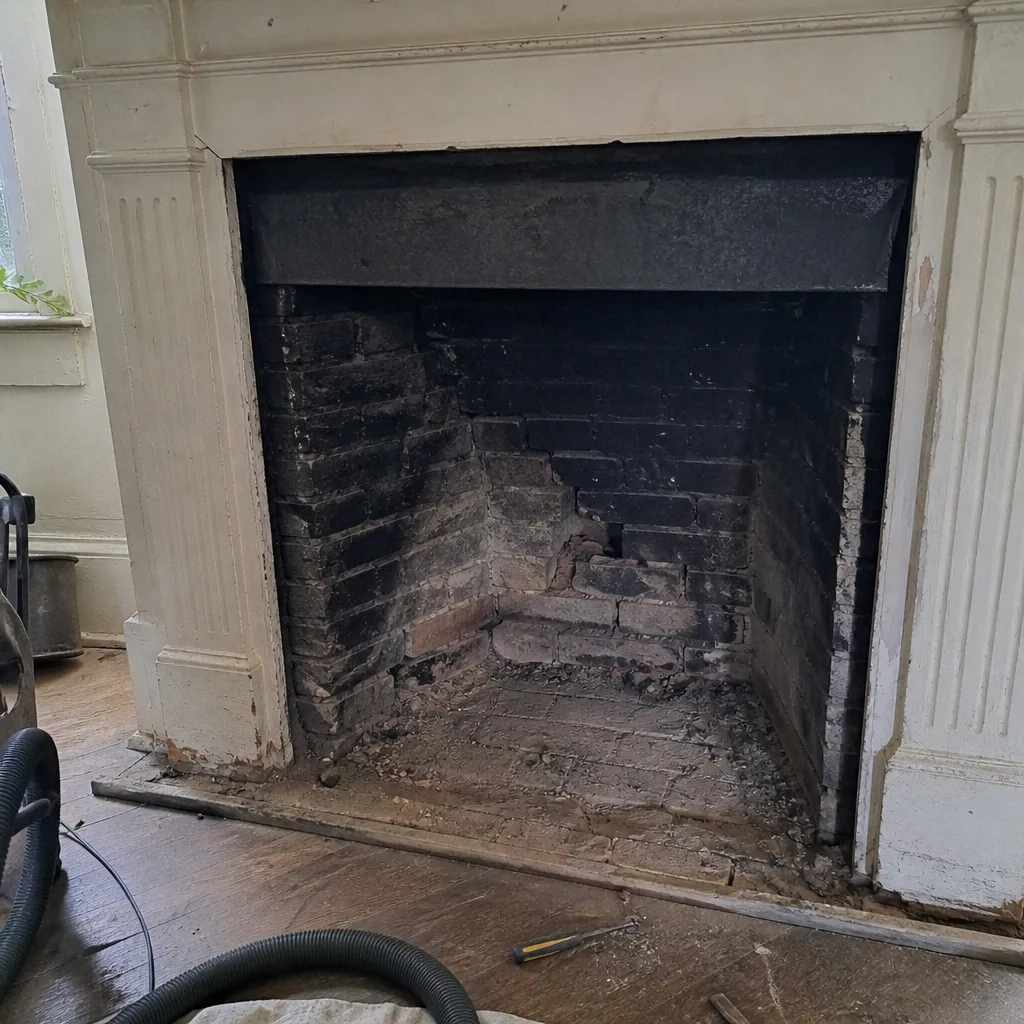
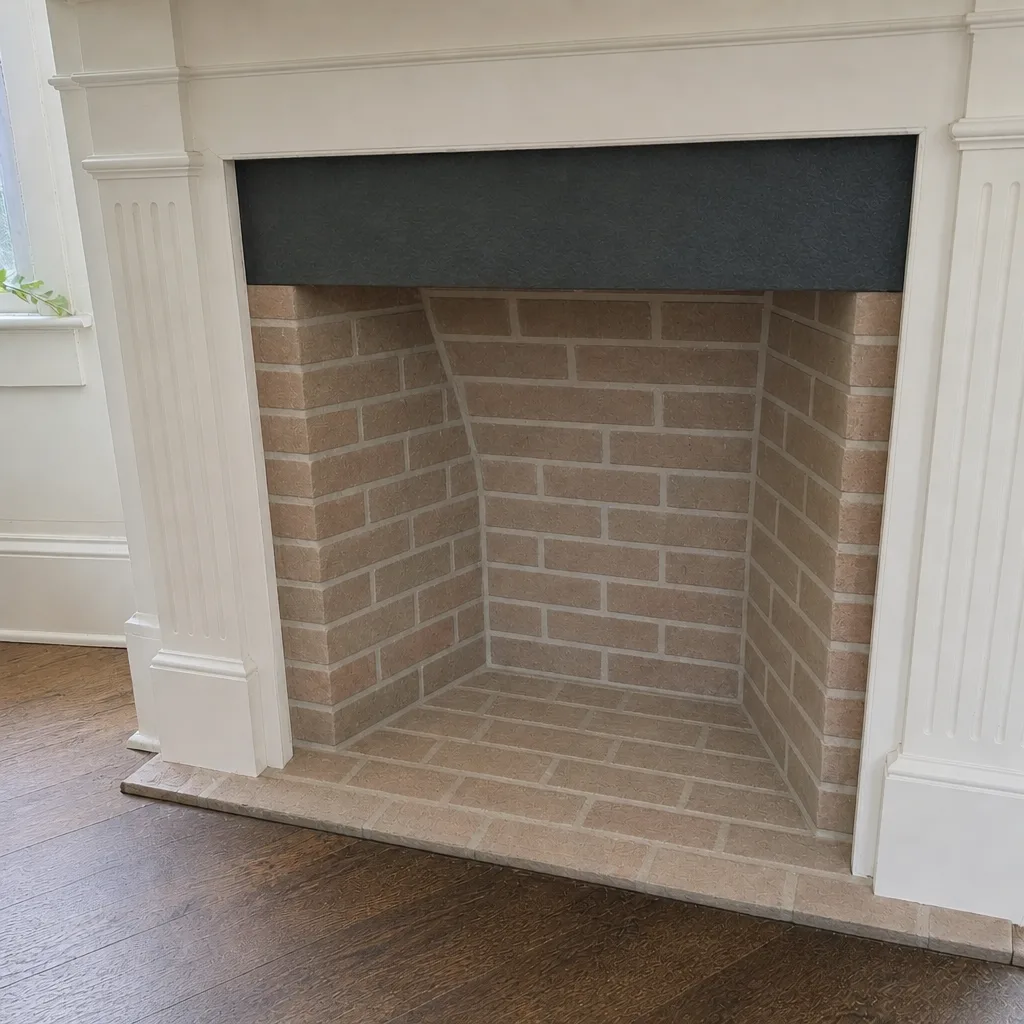
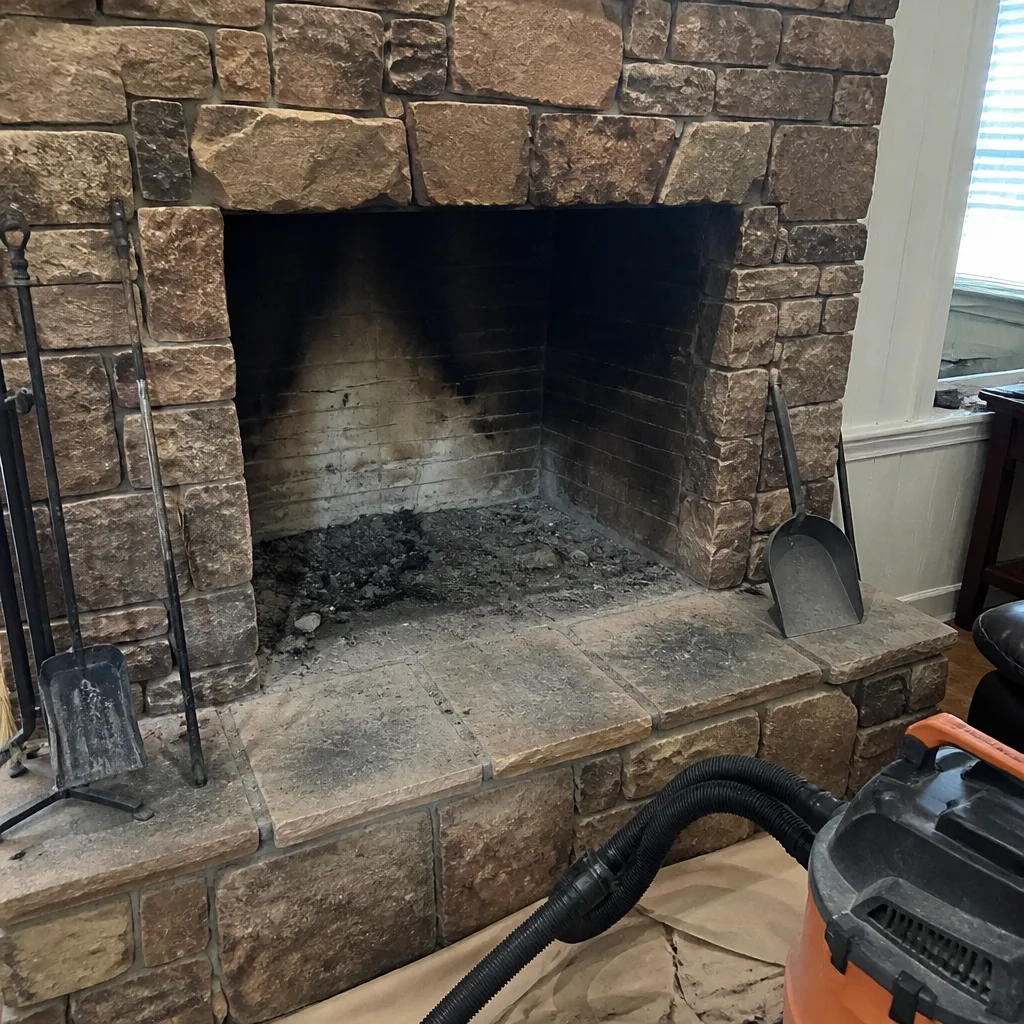
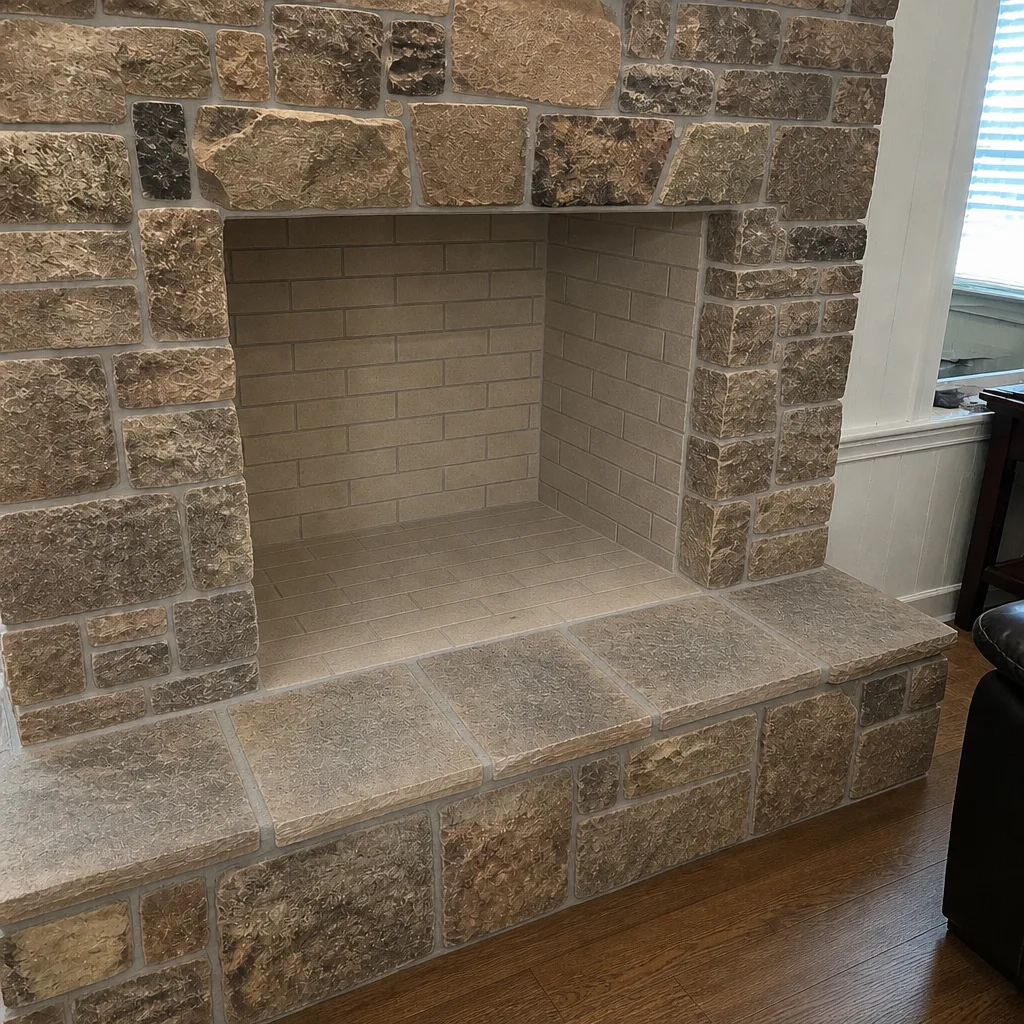
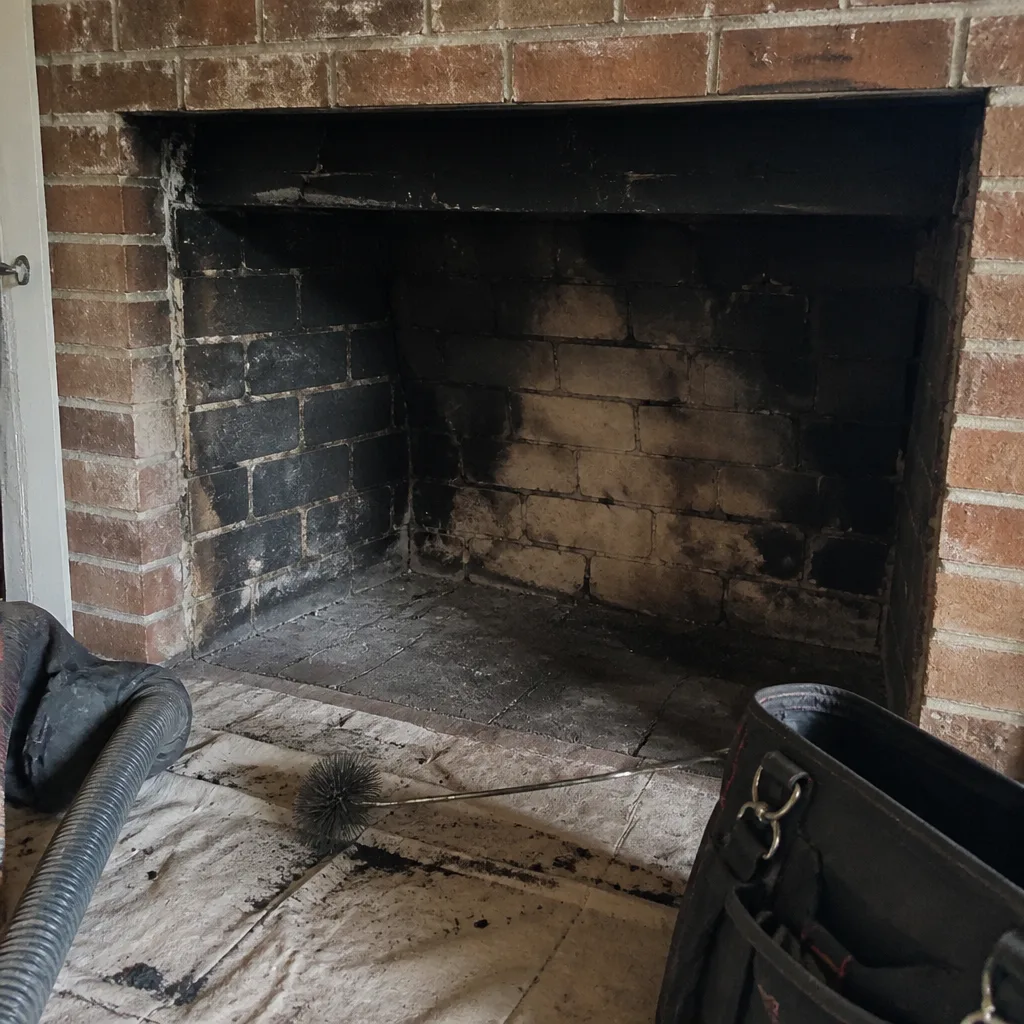
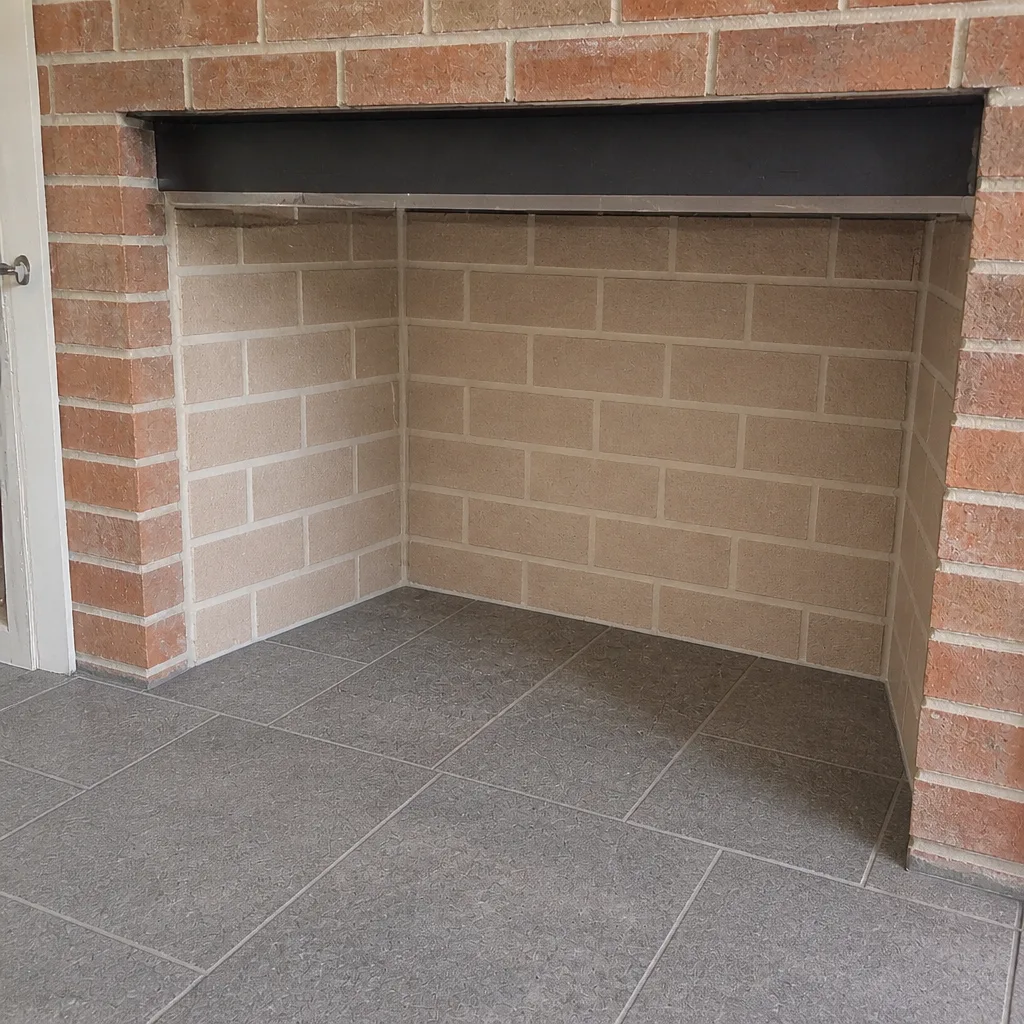
See the difference
 Before
 After
 Before
 After
 Before
 After
When to Call a Professional
Call a professional if your chimney hasn’t been inspected since you bought the home, if there’s been any structural event near it, if a gas appliance is being installed, or if you’ve never had it swept and don’t know its history. Call if you smell smoke in the house when the fireplace is burning, if the damper doesn’t seal, if you see staining or crumbling on the exterior, or if you’ve had a chimney fire. And call if your roof is steep or the flue is above a single story, because the climb alone puts the job out of DIY range. Rutherford Chimney Sweep offers free estimates in Columbia – call (844) 940-3007. We answer 24/7. Fast dispatch from 7am to 7pm, Sunday through Friday.
Frequently Asked Questions
A standard chimney sweep in Columbia is typically a modest, per-job cost set by a written estimate, and the estimate itself is free. The price depends on the chimney’s condition, how much buildup is present, and whether the cleaning turns up a repair. Ask for the estimate in writing before work starts and confirm it sets the final price. Call (844) 940-3007 for an exact quote – estimates are free.
You can clean the firebox and remove ash with household tools, but a brush kit can’t clean the flue properly. Consumer brushes are hand-operated and can’t reach the smoke chamber, the offsets, or the top of the flue where creosote concentrates, and they don’t include a camera to verify the result. For the flue itself, professional rotary equipment and a camera are what produce a real cleaning. Call (844) 940-3007 if you’d like an honest assessment first.
Not always, and nobody should tell you otherwise without showing you why. A liner is recommended when camera footage shows it has cracked, separated, or deteriorated to the point where it’s no longer a safe path for exhaust. Some failing flues can be restored with HeatShield resurfacing instead of a full reline, which is a repair option worth asking about before you agree to a tear-out. Nothing should be recommended without camera evidence you can see yourself. Call (844) 940-3007 for an exact quote – estimates are free.
A chimney used regularly for wood burning generally needs professional cleaning once a year, and more often if you burn heavily or burn unseasoned wood. The honest answer is that the right interval depends on your burn habits and on what an inspection finds. A yearly inspection that includes a camera check is the reliable way to know, rather than guessing from how the fireplace looks. Call (844) 940-3007 to schedule a cleaning and inspection.
Creosote builds up inside the flue and stays there, and at a certain point it becomes fuel for a chimney fire. Separately, cracks or gaps in the liner can let carbon monoxide into the house, and that risk exists even if the chimney seems to draw fine. Neither problem produces a clear warning sign until it’s serious, which is exactly why yearly inspection matters. Skipping one year is sometimes fine; skipping it indefinitely is not. Call (844) 940-3007 for an exact quote – estimates are free.
You’ll speak with someone who can book a sweep and answer questions about your chimney’s history and last cleaning. We answer 24/7. A call outside dispatch hours is booked into the next opening, Sunday through Friday, 7am to 7pm. The dispatch window for a technician visit is fast dispatch from 7am to 7pm, and the estimate is free, with the price set per job in writing.
The Bottom Line
The DIY chimney debate is a capability question, not a cost question. Homeowners can safely clean the firebox, remove ash, check the cap from the ground, and inspect exterior masonry from the yard. All of that is genuinely useful and worth doing. The flue itself is where the line sits, because cleaning it properly requires rotary equipment and a camera, and consumer kits provide neither. Add the liability question, the roof risk, and the three situations where a professional inspection isn’t optional, and the decision becomes straightforward for most homes in Columbia. Do the safe tasks yourself. Call a specialist for the flue. And when a repair is recommended, ask to see the evidence that justifies it.
Call (844) 940-3007 for a free estimate. We answer 24/7. Fast dispatch from 7am to 7pm, Sunday through Friday.
Written by the team at Rutherford Chimney Sweep.