
Last updated November 15, 2026
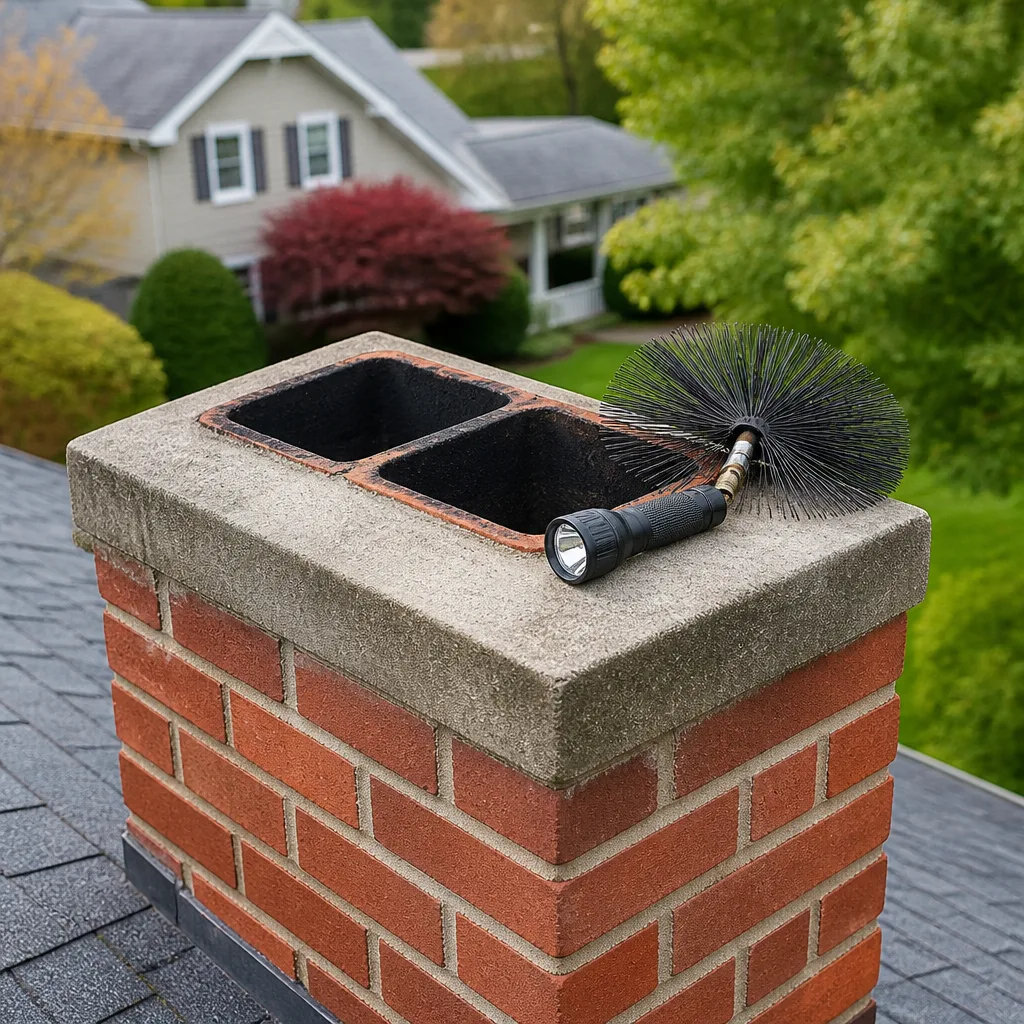 Sweep & inspection
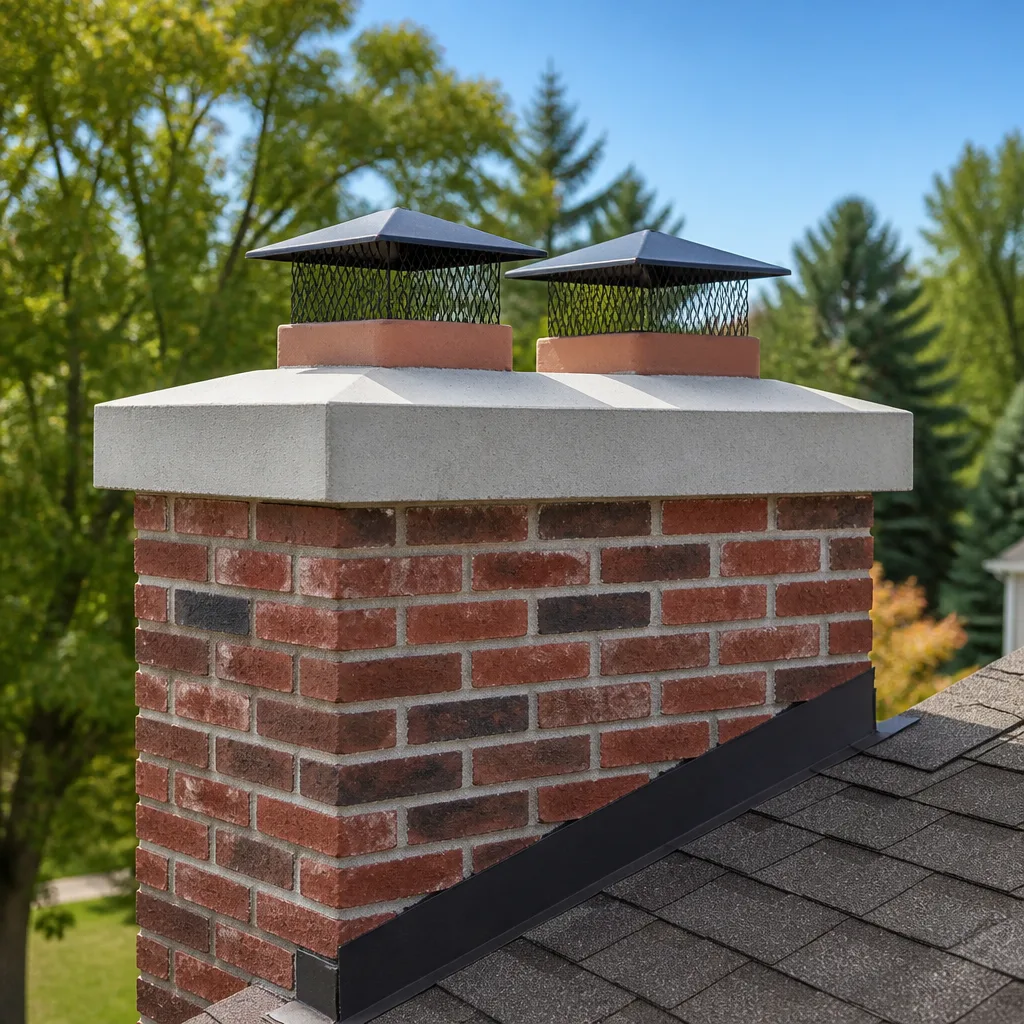 Caps & crowns
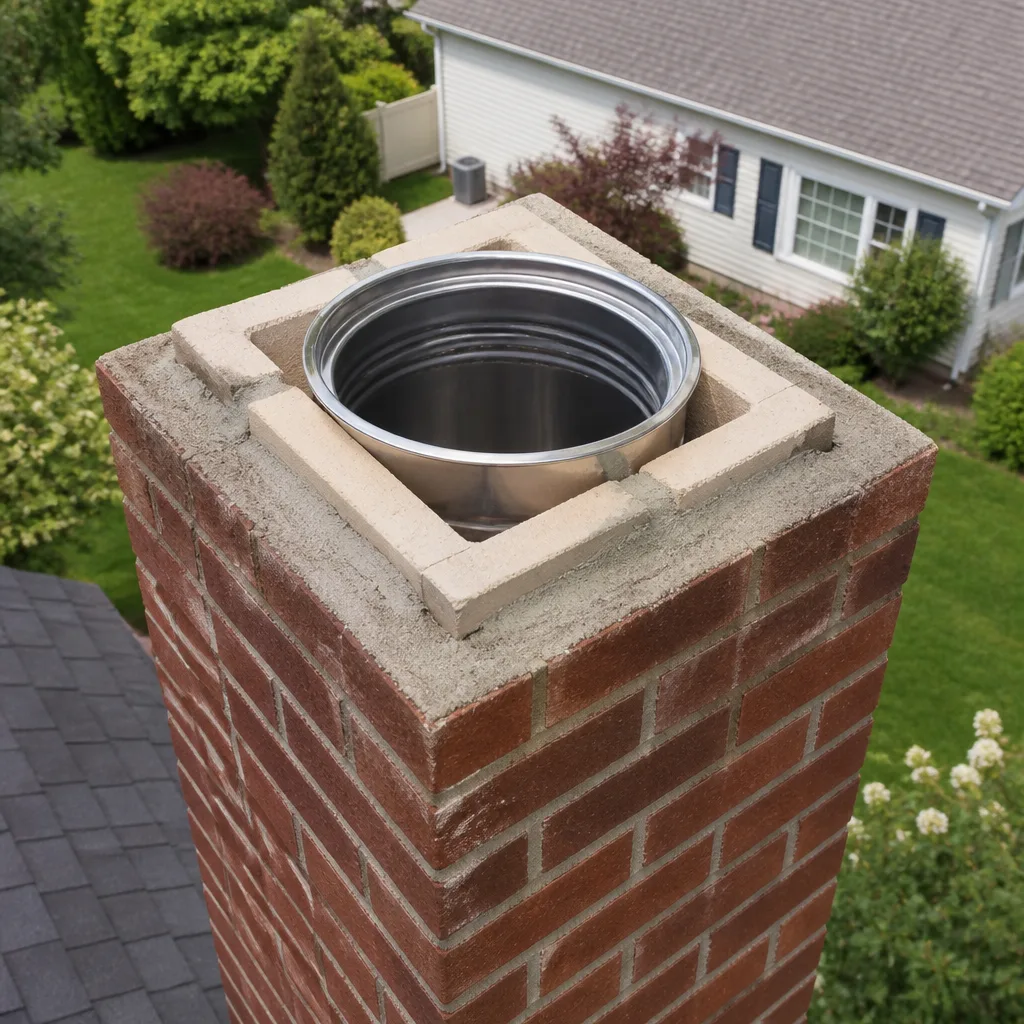 Flue relining
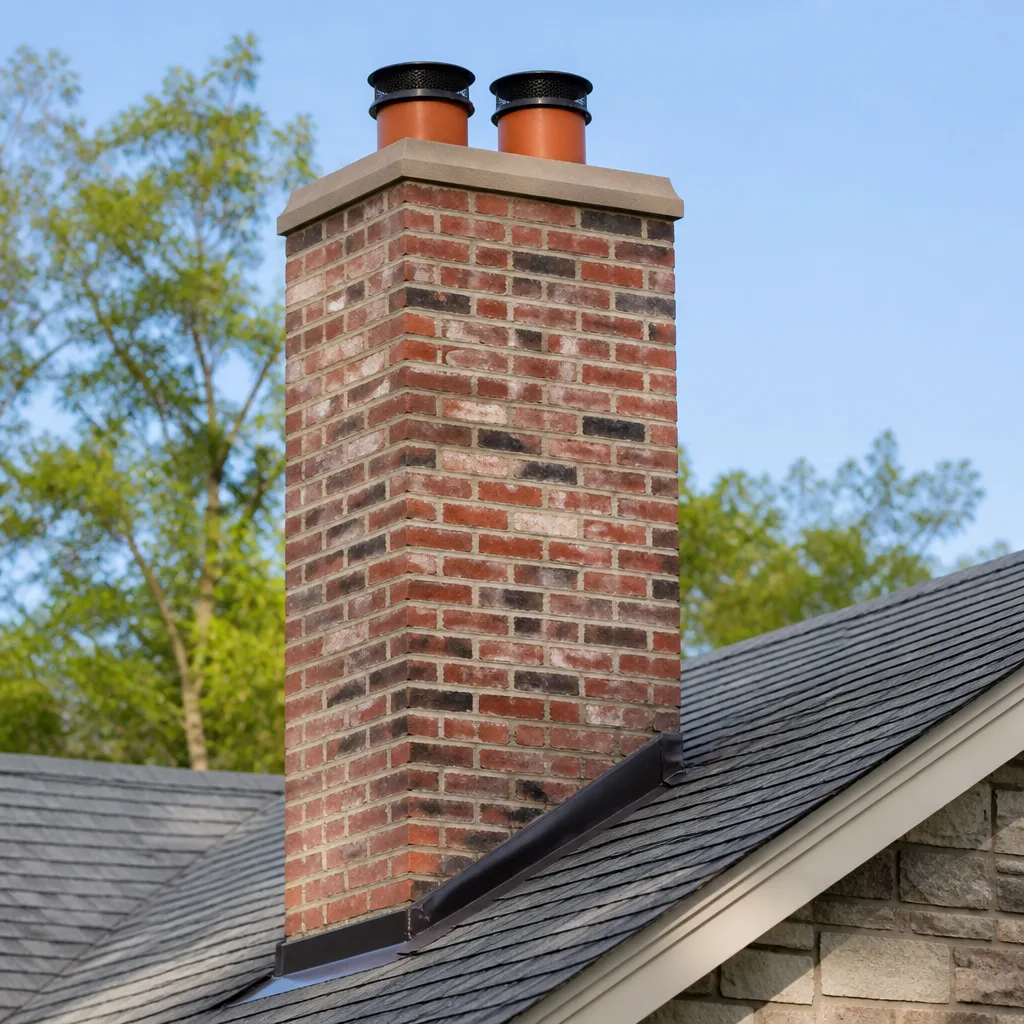 Masonry repair
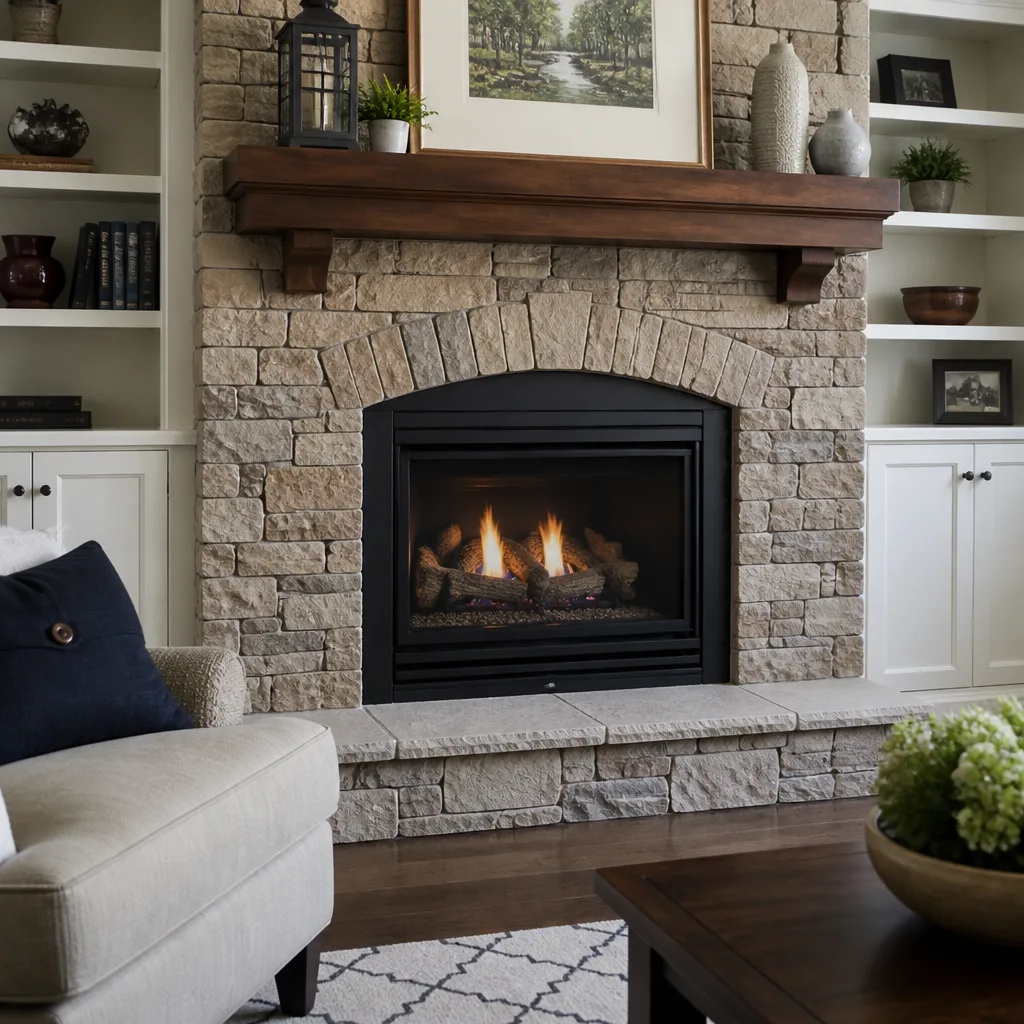 Gas fireplace service
Level 1 sweep and inspection to the NFPA 211 annual standard - flue, crown, cap, and flashing checked and photographed
Chimney sweep logs do not sweep chimneys. They loosen some creosote - which then falls where a brush and vacuum still have to collect it.
Chimney Sweep Troubleshooting in Columbia: Common Problems and How to Fix Them
A smoky living room isn’t always a dirty flue. Sometimes it’s a pressure imbalance caused by a recently weatherized house, and no amount of sweeping will fix it. That’s the frustrating part of chimney problems: the symptom you notice and the cause behind it often live in different places. A cold fireplace that refuses to draw, a faint creosote smell in July, a damper that worked fine last winter and won’t budge now – each points to something specific, and most have a clear fix once you know where to look. In this guide we map the common chimney problems we run into across Columbia to their real causes and the repairs that solve them, so you can walk into a conversation with a technician already knowing what’s likely going on.
Quick Answer
Most chimney problems in Columbia come down to one of four root causes: a draft failure from either blockage or negative air pressure from a tight, well-sealed house; creosote buildup causing odors and restricted flow; a failing damper or cracked firebox component; or a deteriorating flue liner that needs resurfacing or relining. A professional inspection with a camera isolates which one you’re dealing with in minutes. Fixes range from a straightforward sweep to HeatShield resurfacing or a full DuraFlex liner install, and the right answer depends on what the inspection actually shows.
Styles & brands we work with
- Sweep & inspection
- Caps & crowns
- Flue relining
- Masonry repair
- Gas fireplace service
Table of Contents
- Why Won’t My Fireplace Stop Smoking?
- What Does a Smoke Smell in Summer Actually Mean?
- How to Spot a Cracked Firebox or Deteriorating Smoke Chamber
- Why Did My Damper Stop Working?
- What a Level 2 Camera Inspection Reveals
- Creosote and the Columbia Burning Season
- Dryer Vents: The Other Hidden Fire Risk
- Exterior Signs You Shouldn’t Ignore
Why Won’t My Fireplace Stop Smoking?
Smoke rolling out of a fireplace instead of going up the chimney is a draft failure, and there are two completely different causes that look identical from the couch. The first is blockage – creosote, a bird or squirrel nest, a collapsed liner section, or a leaf damper full of debris. The second is negative air pressure: your house is sealed so tightly that when the fire pulls air up the flue, replacement air can’t get in fast enough, so the chimney reverses and pulls smoke back into the room. No chimney is bad enough to smoke out a room for no reason. The flue is either blocked or the house is fighting it.
Here’s how a technician separates the two:
- Camera and rod down the flue. A visual check from the firebox and a camera pass from the top show whether the flue is clear or blocked. A blockage is the easiest thing to rule out and the most common finding.
- The smoke test. A smoke pellet or a small fire with a door cracked open tells us whether the draw improves when the house gets more air. If it does, you have a pressure problem, not a flue problem.
- House pressure assessment. We check for exhaust fans running, return-air imbalance, and recent weatherization like new windows, spray foam, or tight-fitting doors that cut infiltration.
Weatherization is a real factor in Columbia homes where owners have tightened up older houses to cut summer cooling bills. That’s good for the energy bill and bad for the fireplace. The fix for negative pressure is usually a dedicated outside air source for the firebox, a top-sealing damper that stops the stack effect when the fireplace isn’t in use, or simply cracking a window near the hearth during a fire as a short-term measure. The fix for blockage is a chimney sweep and, if the liner is damaged, a repair. The mistake is assuming both problems need the same solution.
What Does a Smoke Smell in Summer Actually Mean?
A faint creosote or smoke smell in the middle of a Columbia summer is a draft you didn’t ask for. It’s called the stack effect, and it’s exactly backward from what happens during a fire. Warm air rises, and on a hot day the chimney is a cool column in a warm house. The pressure differential pulls air down the flue and across the creosote deposits on the flue walls, and that air brings the smell with it into your living space. The smell isn’t new smoke. It’s old deposits being ventilated back into the room.
Winter smoke smell has a different cause. A wood-burning fireplace leaves a puff of smoke in the firebox every time a fire dies down or the door opens mid-burn. Some of that settles into the masonry and into the smoke chamber above the damper. When you light the next fire, that residual smell burns off as the chimney warms. Winter odor usually means the flue is overdue for a cleaning, or that the firebox has absorbed deposits that need to be removed by hand. Summer odor is almost always the stack effect pulling through dirty flue walls during the off-season.
What actually solves it:
- Remove the source. A professional sweep removes the creosote deposits that hold the odor. No product sprayed into the firebox neutralizes a deposit you haven’t cleaned.
- Close the flue when it’s not in use. A throat damper that seals well stops the downdraft. If yours has gaps or doesn’t seat, a top-mount damper or a properly fitted throat damper makes a big difference.
- Cap the flue. A Gelco or Famco cap keeps out rain, birds, and downdrafts. A capped flue with a sealing damper eliminates most of the summer smell problem.
If the smell is strong enough to notice from the front door, a camera inspection is worth doing before you spend money on odor products. Odor is a symptom, and the deposit behind it has a thickness and location that tells us how much cleaning is due. Call (844) 940-3007 to get an exact quote; estimates are free.
How to Spot a Cracked Firebox or Deteriorating Smoke Chamber
The firebox is the part of the fireplace you can see, and it takes the worst of the heat. Over time, the refractory mortar between the firebrick joints cracks and the bricks themselves can spall. The smoke chamber sits directly above the damper – a sloped cavity that funnels smoke into the flue – and it’s the part most homeowners never look at because it’s behind a steel or cast damper frame. If the smoke chamber’s parging has broken down, it creates rough surfaces where creosote collects and, more importantly, gaps that let heat and combustion gases reach the surrounding masonry.
Homeowners can check for these visual signs before calling:
- Cracked joints in the firebox brick. Hairline cracks in the mortar are worth watching. Cracks wide enough to slide a coin into are worth an inspection.
- Crumbling or falling material. Flakes of white or grey refractory mortar in the firebox floor, or chunks of parging on the smoke shelf, indicate the masonry is failing.
- Rusty or discolored damper hardware. This can suggest moisture or heat damage above the damper.
- A rough, uneven surface inside the smoke chamber. Shine a flashlight up past the damper. A smooth parged surface is what you want; a rough, deeply pitted surface means the parging needs repair.
Cracked firebox joints and rough smoke chambers are repair jobs, not teardowns, in most cases. HeatShield resurfacing is a repair process engineered to restore the smoke chamber and flue surfaces without a full masonry rebuild – the cracked surface gets filled and smoothed so it performs the way it was meant to. Rutherford Chimney Sweep is authorized to install and work with the HeatShield system, which matters because this is a certified repair process, not a DIY patch. Where the firebox brick itself is crumbling, Gelco and Famco firebrick and mortar components are the trade-grade materials we use for the rebuild.
Why Did My Damper Stop Working?
A damper that opened smoothly last season and won’t move this year has almost always corroded, warped, or lost its seal. Dampers live in one of the harshest spots in the house: they’re exposed to heat, moisture, soot, and creosote, and they sit right where condensation forms when the fireplace isn’t running. That combination is hard on steel and cast iron. The failure modes fall into two categories.
Throat dampers are the traditional steel or cast-iron doors just above the firebox. The most common failures are:
- Rust and corrosion on the pivot or hinge. The damper seizes because the hinge points have rusted shut. Sometimes it frees up with proper cleaning and lubrication, sometimes the frame and plate need replacing.
- Warping from heat. A warped plate won’t lie flat and won’t seal. That lost seal lets stack-effect air down the flue in summer and lets heat escape up the chimney in winter.
- Broken or stripped linkage. The handle rotates but the plate doesn’t move, or vice versa, because the linkage has failed.
- Cracked frame. A cracked damper frame is a structural issue, not a maintenance one.
Top-mount dampers cap the top of the chimney and seal it from above. They fail differently:
- Gasket degradation. The seal at the top wears out and the damper no longer closes tight.
- Cable or mechanism failure. The cable that opens the damper from the firebox can bind or break.
- Ice and debris. A stuck-open top-mount damper that’s been left open through a wet season can seize.
The fix depends on which damper you have and what’s actually gone wrong. A seized hinge can sometimes be restored. A warped or cracked damper is replaced. A top-mount damper with a failing cable is often a mechanism replacement rather than a whole unit. Inspect before you assume replacement. Call (844) 940-3007 for an exact quote; estimates are free.
What a Level 2 Camera Inspection Reveals
A visual check from the firebox tells you what you can see in the bottom three feet of the flue. A Level 2 inspection with a camera tells you what’s going on in the rest of it – and the rest of it is where the problems live. In our experience, the failures that cause the worst outcomes, like cracked flue tiles, offset joints, gaps at the liner seams, and hidden creosote glazing, are rarely visible without a camera run.
The inspection process:
- Clean first. A camera running through heavy soot or glazed creosote can’t see the liner surface. The sweep comes before the inspection.
- Camera pass, top to firebox. A small camera on a flexible rod travels the full flue while the technician watches the monitor. The technician is looking for cracked or broken tile, mortar joints missing between tiles, gaps at the flue collar, and offset sections where tile courses twist out of alignment.
- Photo and video capture. You get to see what the camera saw. This matters because the repair conversation is much easier when you can look at the crack on a screen instead of taking someone’s word for it.
- Smoke chamber and firebox review. The camera pass is combined with a close visual of the smoke chamber, damper area, and firebox joints.
A Level 2 inspection is warranted after any chimney fire, after a change in the appliance or fuel, when buying or selling a home, and whenever a homeowner notices the symptoms in this guide but no obvious cause. The camera is the difference between “your flue looks fine” and knowing exactly what’s behind the firebox wall. Where a liner is cracked or deteriorating, HeatShield resurfacing or a DuraFlex flexible liner system can restore the flue. Both are professional-grade materials from Olympia Chimney and Copperfield, two of the most recognized supply distributors in the trade, and both are installed in a single service visit rather than a weeks-long project.
Creosote and the Columbia Burning Season
Creosote is the byproduct of wood smoke cooling as it travels up a flue, and its form depends on how hot and how complete the burn was. In Columbia, the burning season is real but it tends to be short and punctuated: a few cold nights, then a mild stretch, then cold again. That start-stop pattern is harder on a flue than a steady burn because each fire is a fresh warm-up and each shutdown deposits a fresh layer. Three forms of creosote build in the flue:
- Soot and light flaky creosote. The easiest form to clean and the normal deposit from regular burning.
- Hard glazed creosote. Forms when smoke cools too fast and condenses into a hard shell. It’s difficult to remove with a standard brush and often needs a chemical treatment or rotary cleaning.
- Creosote in a third-degree form. The fuel-rich, sticky, highly flammable deposit that’s most associated with chimney fires. It needs specialized cleaning, not a standard brush.
The reasons creosote builds faster than it should are pretty consistent. Burning unseasoned or “green” wood with too much moisture. Running a fire choked down with the damper partly closed, which makes smoke cool before it exhausts. Burning softwoods that deposit more creosote per cord. Or letting the fire smolder overnight instead of burning clean and hot. In a Columbia home that lights a fire a few times a week from November to February, a professional sweep before the season starts is the right cadence. If the fire has ever burned differently, sounded different, or produced a puff of smoke from the fireplace, that’s a sign of a chimney fire that may have damaged the liner – sweep before you burn again.
The safety stakes are real, and it’s the reason we don’t soft-pedal this. Creosote is the fuel in a chimney fire, and a blocked flue is the cause of carbon monoxide backing up into the home. Both are preventable. Book the sweep before the first cold snap, not after the first smoke problem. Call (844) 940-3007 for an exact quote; estimates are free.
Dryer Vents: The Other Hidden Fire Risk
Most homeowners who call for chimney work don’t realize their laundry is a second fire risk they can address on the same visit. A dryer vent that has lint packed into it restricts airflow, which causes the dryer to overheat, and lint is highly combustible. The signs that a dryer vent is clogged are specific: clothes take two cycles to dry, the dryer gets hot to the touch on the top or back, the outside vent flap doesn’t open fully, or there’s visible lint around the vent hood. If any of those are true, the vent is overdue.
What a professional dryer vent cleaning actually involves is different from the consumer brush-and-vacuum method. The vent pipe is disconnected, cleaned end to end with rotary brushes, and the technician checks the transition duct, the exterior hood, and the vent flap for the failures that cause clogs in the first place. A dryer vent run that’s long, has multiple elbows, or uses flexible foil duct is more likely to trap lint. Those are the runs worth inspecting more often. When we’re already in a Columbia home for the chimney, we handle the dryer vent in the same appointment – two fire-risk systems addressed in one visit rather than two separate contractors.
Exterior Signs You Shouldn’t Ignore
The chimney’s exterior tells you a lot about what’s happening inside it. Homeowners can spot several of these from the ground before anyone gets on the roof. Existing mortars fail with time and weather. A chimney crown – the concrete cap at the top – that’s cracked lets water in, and water getting into the masonry through the crown or the flashing causes spalling brick, rusted damper frames, and deteriorated flue tiles. The fix is usually straightforward when caught early and expensive when it isn’t.
What to check from the ground:
- Cracked or crumbled crown. The concrete at the very top of the chimney should be smooth and sloped away from the flue. Cracks invite water.
- Spalling brick. Brick faces that are flaking or popping off mean water is migrating into the masonry.
- Missing or failing flashing. The metal flashing that seals the chimney to the roof is a common leak point. Lifted, rusted, or tarred-over flashing needs attention.
- A missing cap or a rusted-out spark screen. An uncapped flue takes in rain and allows animals and debris into the liner.
- White staining (efflorescence) on the masonry. That white powder is a sign of water moving through the brick and pulling salts to the surface.
A proper chimney cap protects the flue from all of the above, and Gelco and Famco caps are purpose-built for the job. This is also where a small failure gets expensive. Catching a cracked crown early means a repair. Catching a water-damaged flue liner late means a reline. If you’re selling a home in Columbia or getting ready to, the inspection report is worth having before a buyer’s inspector finds something.
Common Mistakes to Avoid
- Assuming a smoky fireplace needs a sweep. It might need an outside air source instead. If the flue is clean and the fire still smokes, the problem is pressure, not deposits. Have the draw tested, not just the flue swept.
- Running a fire with the damper barely open. A choked-down fire burns dirty and deposits glazed creosote faster than a clean, hot fire. Learn the correct damper position for your fireplace and run it that way.
- Using spray-on odor products on a dirty flue. The smell comes from deposits on the flue walls, and no spray neutralizes a deposit that hasn’t been removed. Clean the source first.
- Patching a cracked smoke chamber with standard mortar. Smoke chambers need a refractory-rated surface, and a standard mortar patch will crack again. HeatShield resurfacing is the engineered repair, not a DIY patch.
- Ignoring the dryer vent until the dryer gets hot. By the time the dryer feels hot, the vent run is already badly restricted. Check the outside flap and schedule the cleaning before that point.
- Letting a chimney cap stay off. Rain, birds, and debris entering the flue are the root cause of a surprising number of the problems in this guide. A proper cap is one of the least expensive insurance policies on the whole system.
- Skipping the inspection because the sweep is scheduled. A clean flue and a safe flue aren’t the same thing. The camera is what separates them.
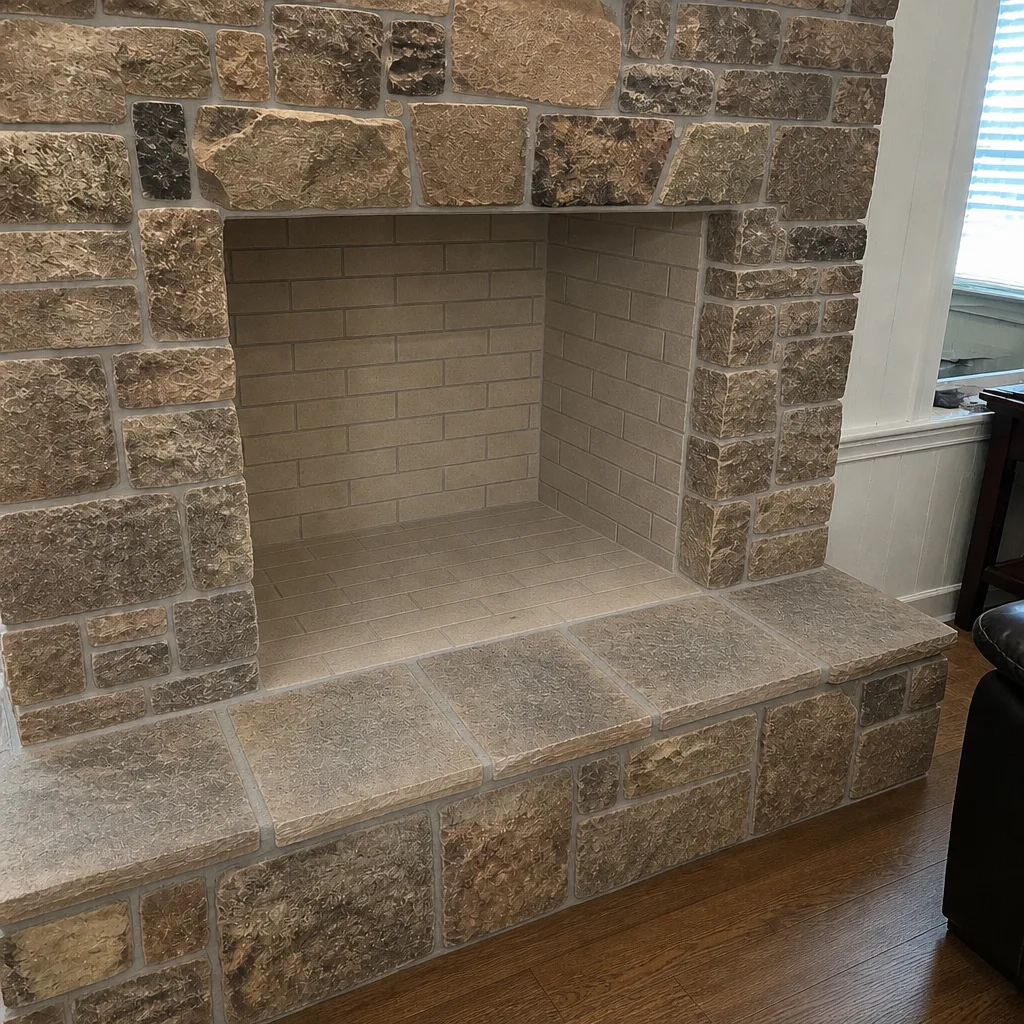
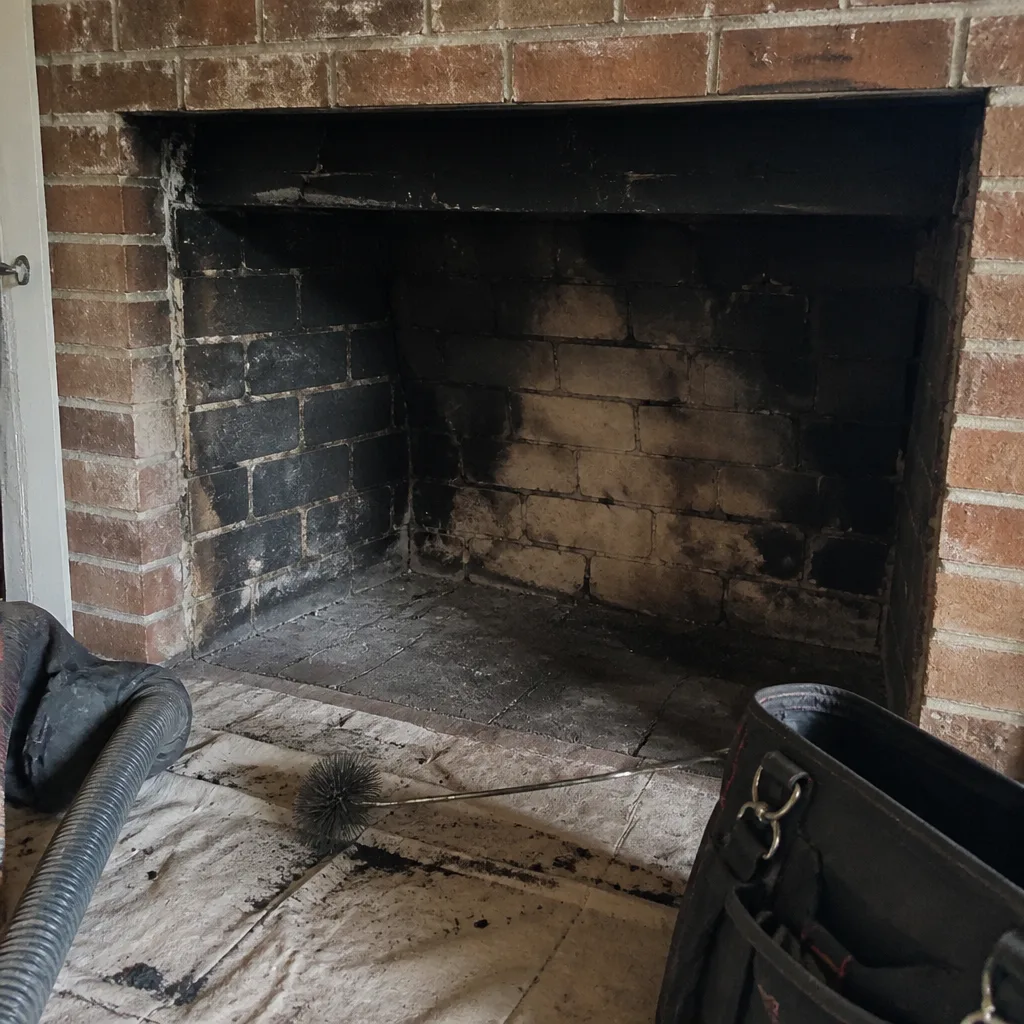
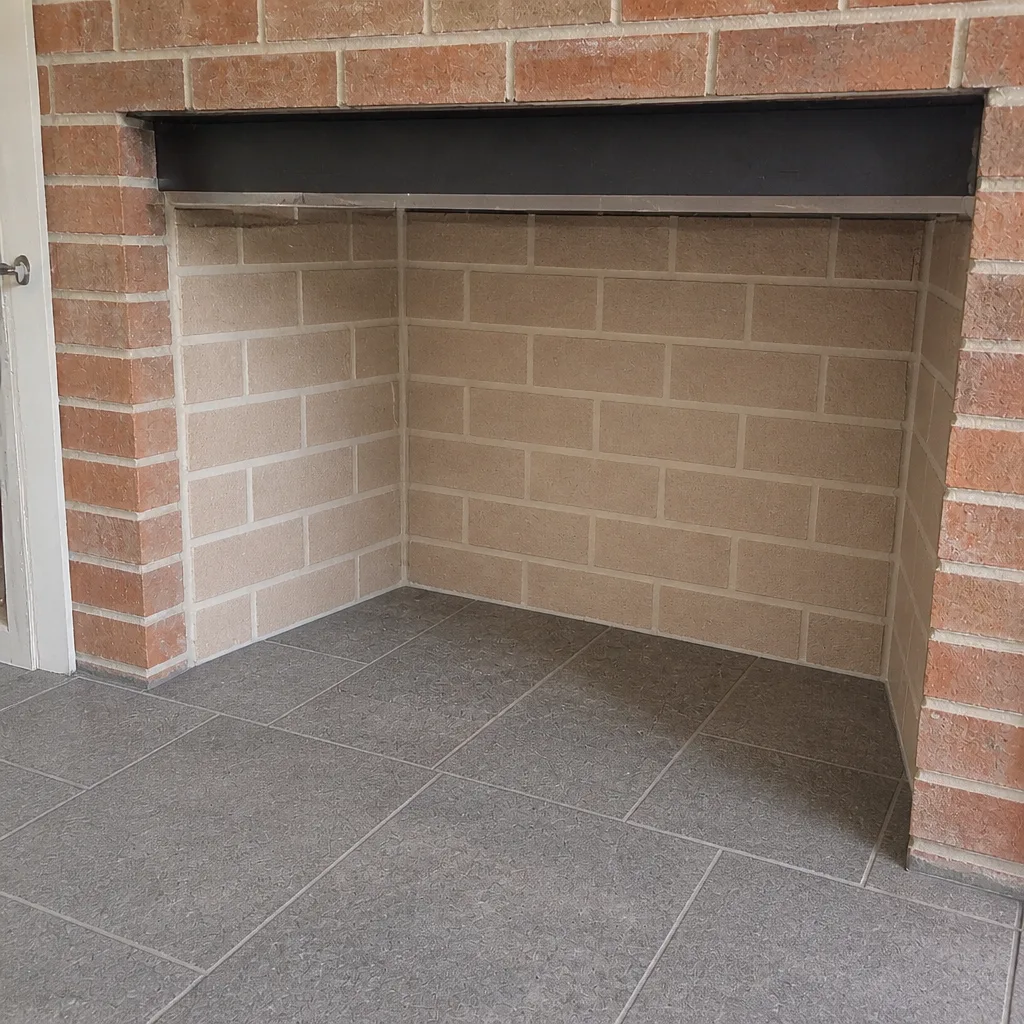
See the difference
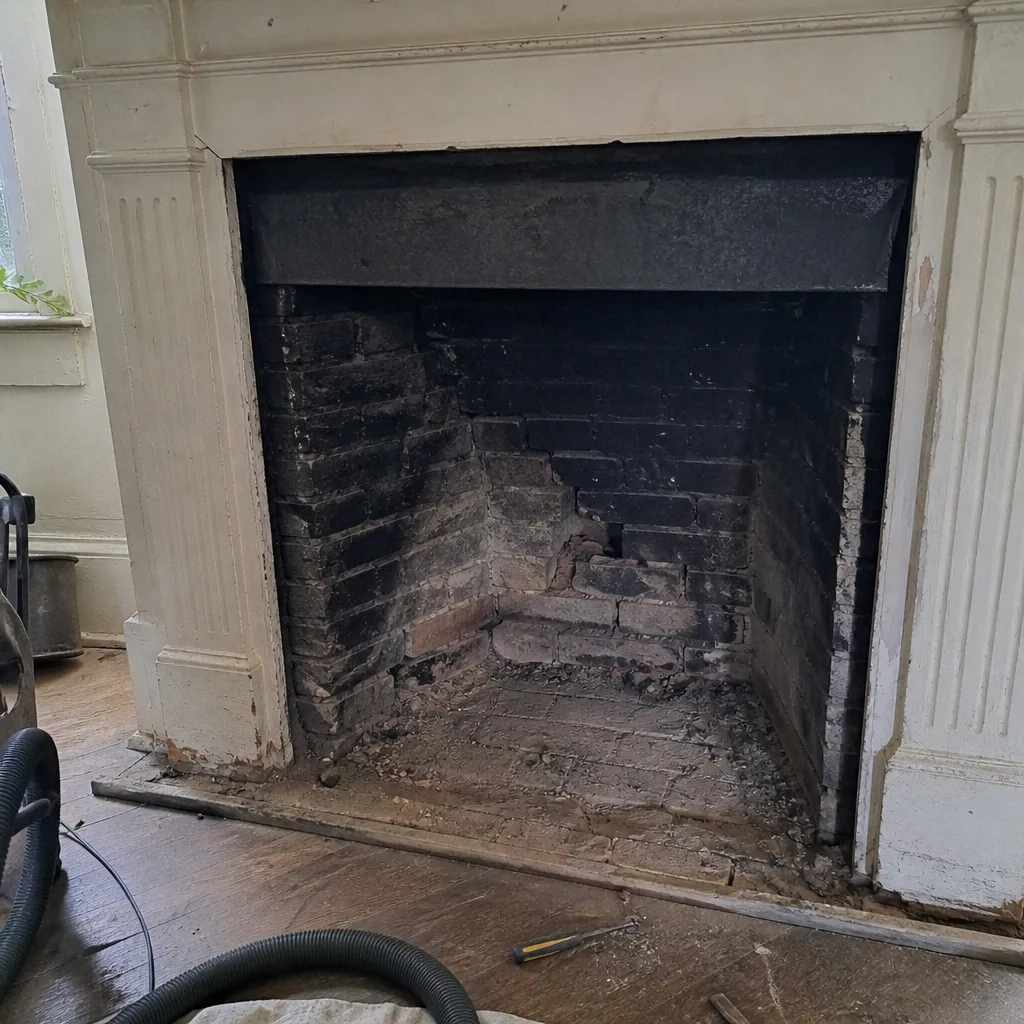 Before
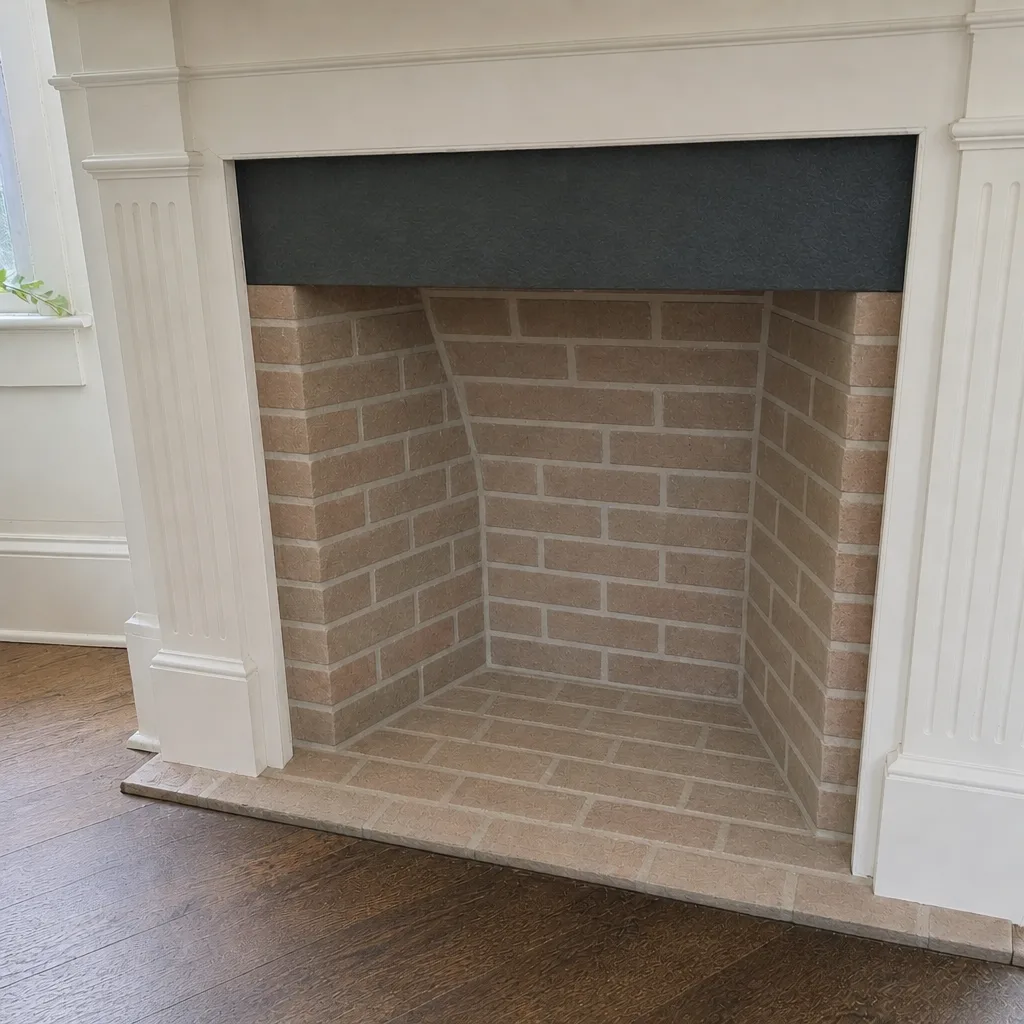 After
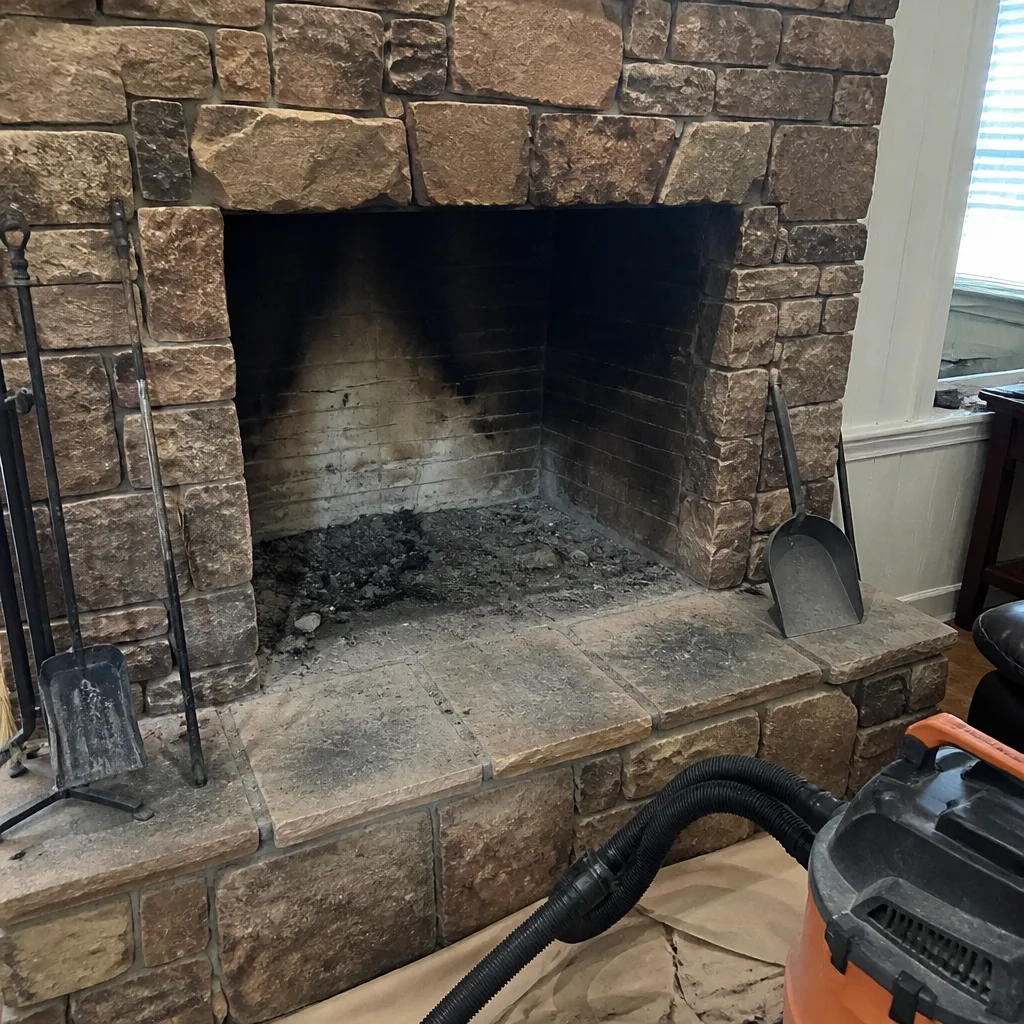 Before
 After
 Before
 After
When to Call a Professional
Call a professional if the fireplace ever puffs smoke into the room, if you notice a smoke or creosote smell during the off-season, if the firebox shows cracks wider than a coin, if the damper is seized or won’t seal, or if the exterior mortar or crown is cracked. Call immediately if the fire ever sounded like a low roar or you saw a puff of black smoke from the chimney – that can be a chimney fire, and the liner needs to be checked before the next burn. Call before the burning season starts if you can’t remember the last sweep. Rutherford Chimney Sweep offers free estimates in Columbia – call (844) 940-3007. We answer 24/7, with fast dispatch from 7am to 7pm, Sunday through Friday.
Frequently Asked Questions
A standard chimney sweep is priced per job by the written estimate, and the estimate is free. The scope of the job depends on the deposit level and the number of flues, so the technician quotes after looking at the system rather than before. Call (844) 940-3007 for an exact quote; estimates are free.
Not always. A camera inspection determines whether the flue is actually cracked or failing, and a HeatShield resurfacing can restore a deteriorating liner where a full reline isn’t needed. A DuraFlex flexible liner is the right answer where the flue has failed structurally. We don’t recommend a reline without showing you the camera evidence first. Call (844) 940-3007 for an exact quote; estimates are free.
For a home that burns regularly through the cooler months, a sweep before the burning season and an inspection after any chimney fire or strange burning event is a sensible baseline. Homes that burn a fire every night benefit from an inspection more than once a season. The right interval depends on the fuel and the appliance, so ask during the estimate. Call (844) 940-3007 for an exact quote; estimates are free.
Creosote keeps building in the flue, the risk of a chimney fire rises, and a blocked or damaged flue can back combustion gases into the home. Those are the two hazards. Neither requires anything dramatic to become a problem – just time. Book the sweep. Call (844) 940-3007 for an exact quote; estimates are free.
It’s the stack effect pulling air down the flue and across creosote deposits on the walls, then back into the house. A professional sweep removes the deposits, and a well-sealed damper plus a proper cap stop the airflow that carries the smell indoors. Call (844) 940-3007 for an exact quote; estimates are free.
Often, yes, once the cause is identified. A blocked flue that needs a sweep can be handled on the visit. A negative pressure problem from a tight house may need a different fix, such as an outside air source or a top-sealing damper, and that gets quoted after the diagnosis. For an exact quote, call (844) 940-3007; estimates are free.
The Bottom Line
Most chimney problems in Columbia trace to a diagnosable root cause, not a mystery. Smoke backdraft is either a blockage or a pressure problem, and the fix is different for each. Summer smoke smell is the stack effect pulling through creosote deposits on the flue walls. A failing damper, a cracked smoke chamber, and a deteriorated liner all have specific visual signs, and all of them are cheaper to fix when caught early. A Level 2 camera inspection is what separates a guess from a real diagnosis, and the photo evidence is one of the reasons to ask for one before agreeing to any repair. The right order is: clean, inspect, then fix what the camera actually shows.
Rutherford Chimney Sweep handles chimney sweep, chimney repair including HeatShield resurfacing and DuraFlex relining, and dryer vent cleaning, with professional-grade components from Olympia Chimney, Copperfield, Gelco, and Famco. If your fireplace has been smoking, smelling, or misbehaving, we’d rather look at it now than after a problem gets expensive. Call (844) 940-3007 for a free estimate. We answer 24/7. Fast dispatch, 7am-7pm.
Written by the team at Rutherford Chimney Sweep.