
Last updated November 15, 2026
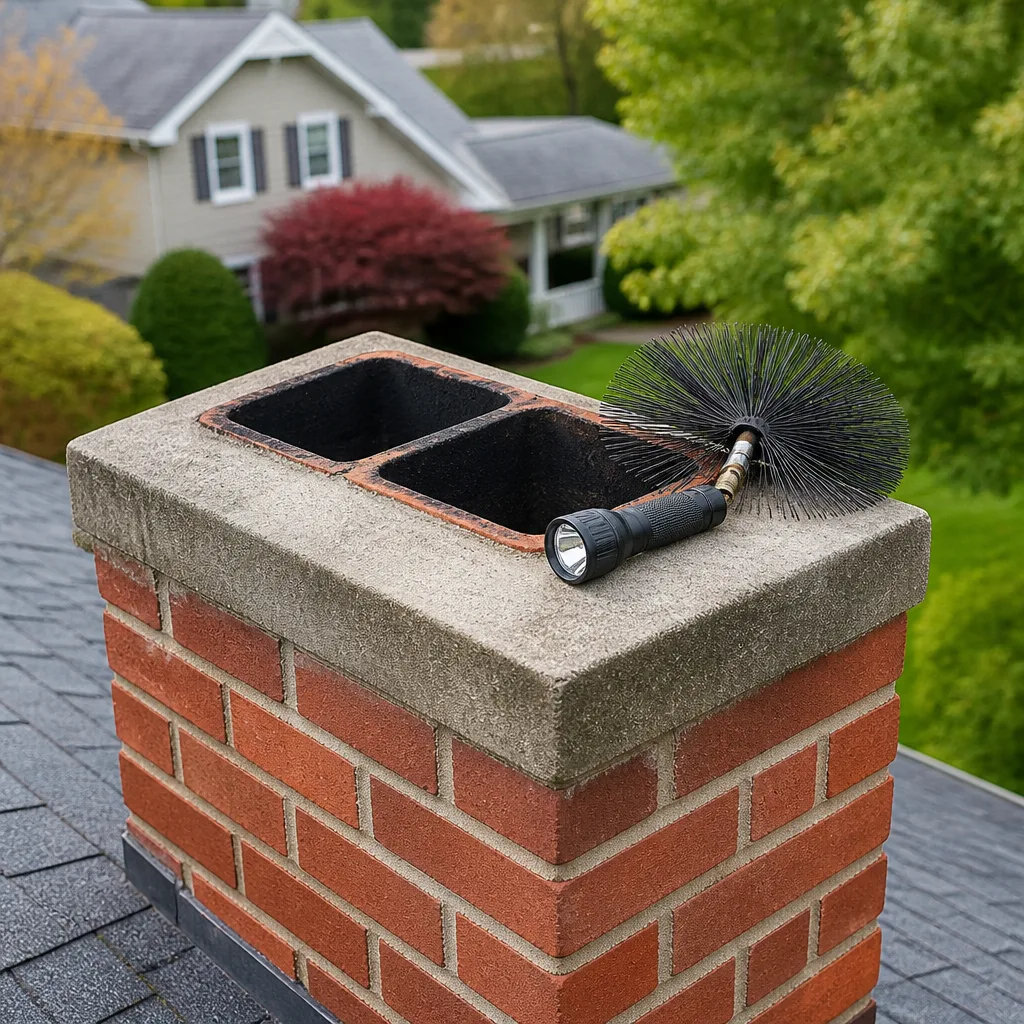 Sweep & inspection
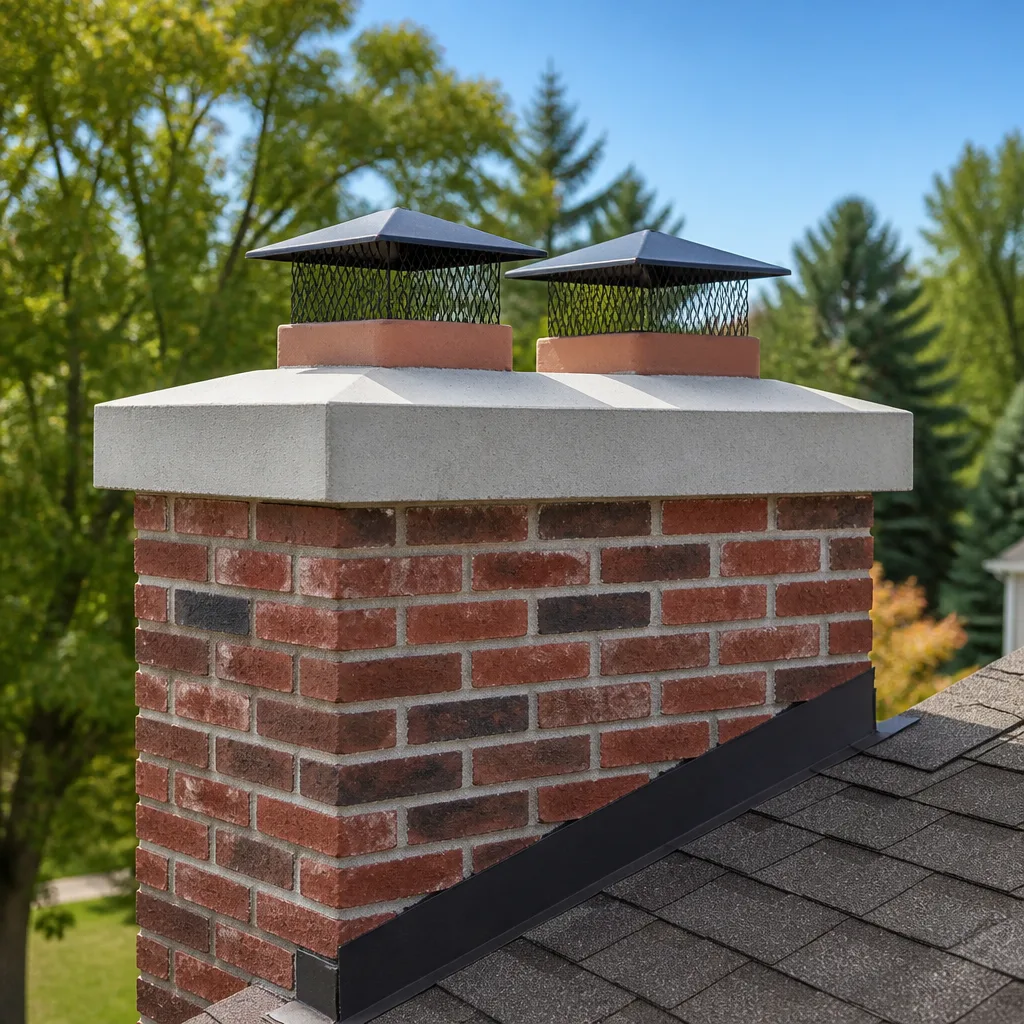 Caps & crowns
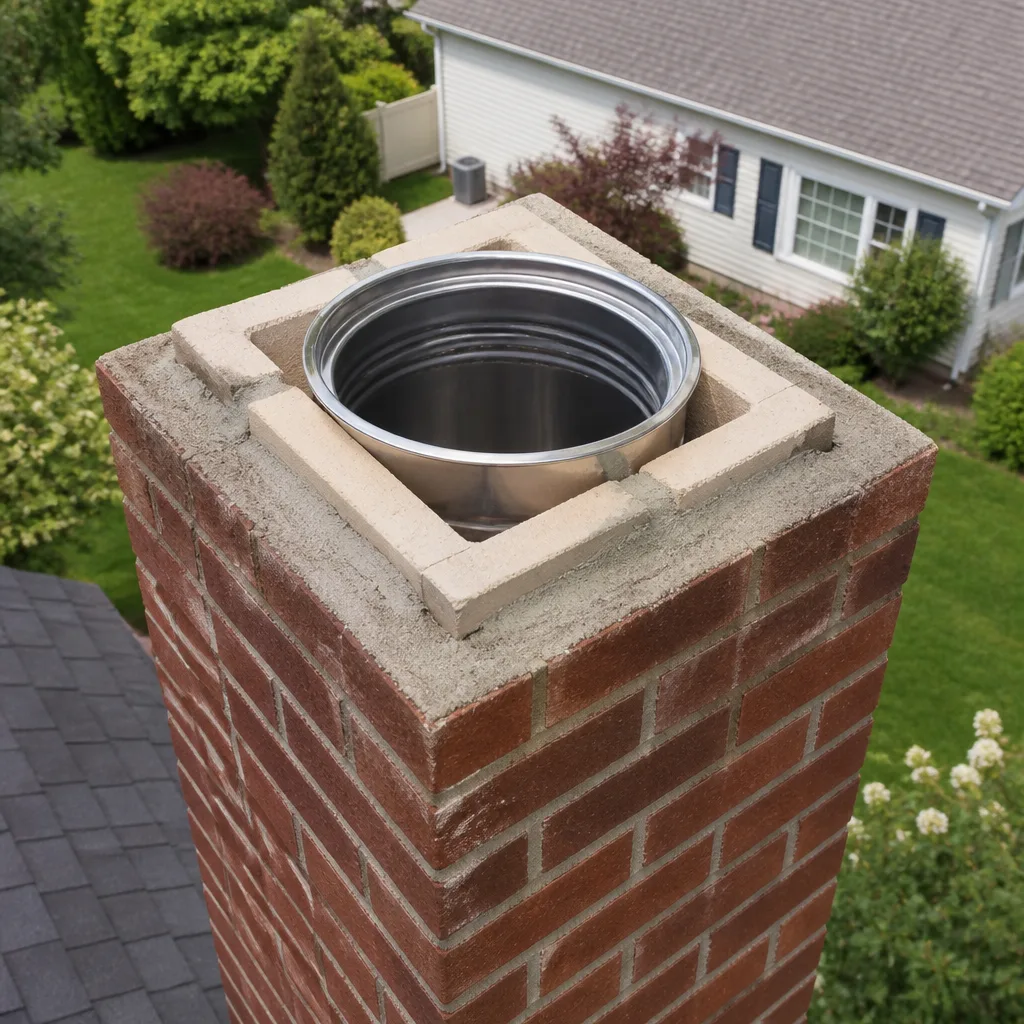 Flue relining
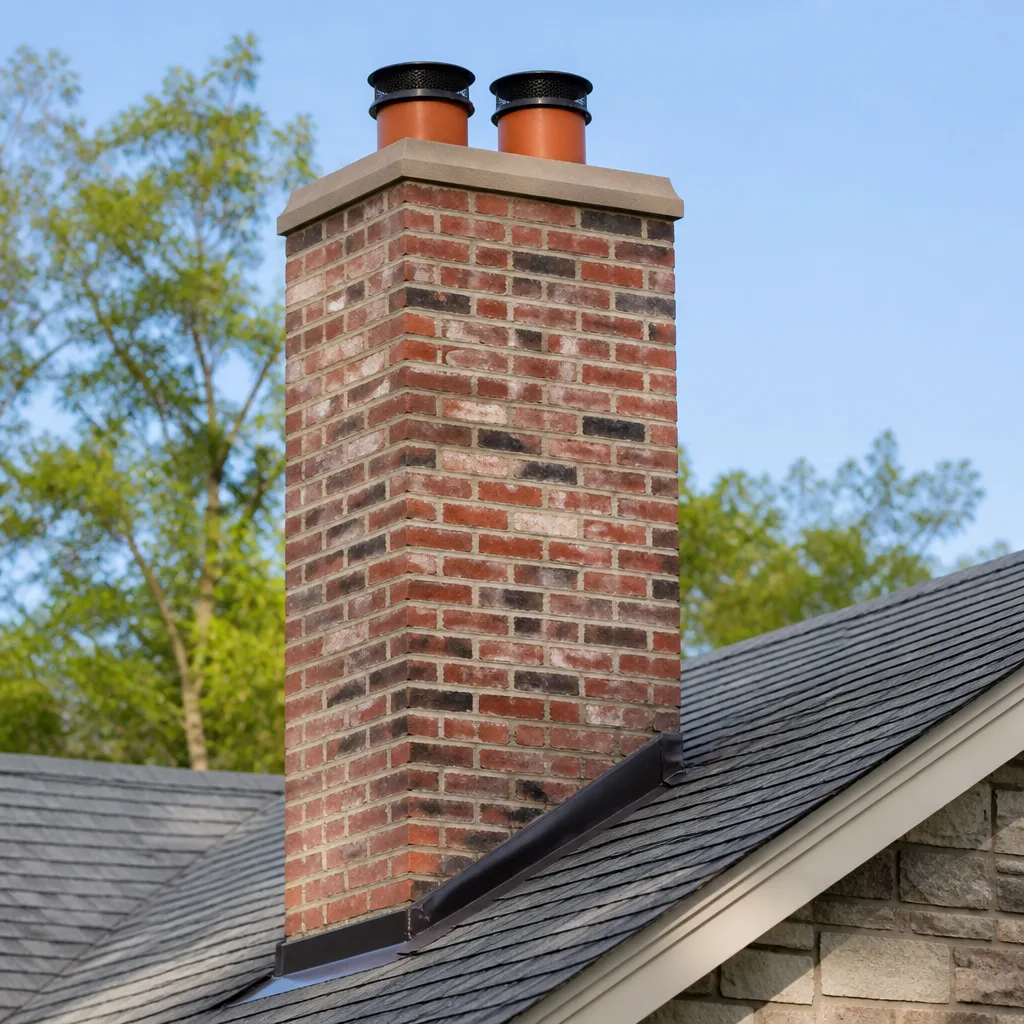 Masonry repair
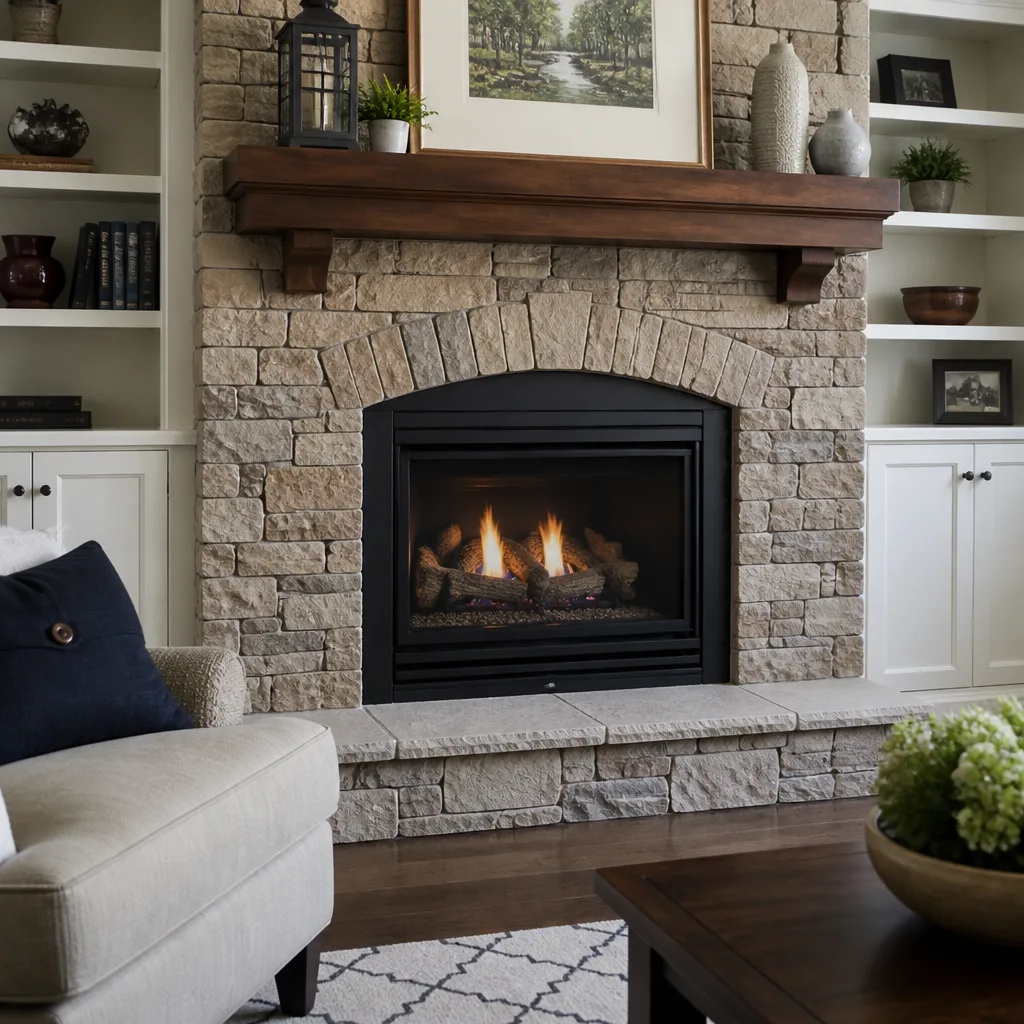 Gas fireplace service
Level 1 sweep and inspection to the NFPA 211 annual standard - flue, crown, cap, and flashing checked and photographed
Chimney sweep logs do not sweep chimneys. They loosen some creosote - which then falls where a brush and vacuum still have to collect it.
Choosing the Right Chimney Cleaning Brand: A Buyer’s Guide for Columbia
When a contractor swaps out your chimney cap, the gap between a generic galvanized unit and a stainless steel cap from a recognized manufacturer isn’t cosmetic. In Columbia’s humid summers and damp winters, it’s roughly the difference between a cap that lasts a decade and one that starts rusting through in a few seasons. Most homeowners never think to ask what brand goes on their chimney, which is exactly why the question matters. The products a chimney company specifies tell you more about their standards than any sales pitch. This guide shows you how to read a contractor’s supply chain, the brands worth knowing, and the questions that separate a specification-minded technician from someone sourcing on cost.
Quick Answer
The right chimney cleaning and repair company is the one whose materials you can verify by name. Professional-grade brands like HeatShield, DuraFlex, Olympia Chimney, Famco, and Copperfield exist because chimney components are engineered products, not interchangeable hardware. A contractor who names their suppliers, measures before quoting, and can explain why a specific product suits your flue is holding themselves to a technical standard. In Columbia, where humidity punishes cheap metal and consumer sealers, that distinction shows up fastest in caps, crowns, and liners.
Styles & brands we work with
- Sweep & inspection
- Caps & crowns
- Flue relining
- Masonry repair
- Gas fireplace service
Table of Contents
- Why Professional Chimney Brands Are a Separate Category
- Waterproofing: ChimneySaver Versus Consumer Sealers
- Flue Repair and HeatShield Resurfacing
- Chimney Caps and Chase Covers: Material and Sizing Standards
- How to Ask a Contractor About Their Supply Sources
- Reading a Quote: What Specification-Grade Looks Like
- What Columbia’s Climate Demands From Materials
Why Professional Chimney Brands Are a Separate Category
Walk into a home improvement store and you’ll find chimney caps, mortar, and sealers on the shelf. They’re sold as commodities, priced for a weekend project, and tested to consumer-grade expectations. Professional chimney supply brands sit in a different tier entirely. They’re distributed through trade channels and specialty suppliers rather than big-box retail, and their products are specified for installers who have to stand behind the work.
That separation exists for good reason. A chimney is a structure under constant thermal stress and weather exposure. The materials in and around it have to hold up to creosote, moisture cycling, and the expansion and contraction that comes with every fire. Consumer products are formulated for occasional use and light duty. Specification-grade products are formulated for the decades a chimney is expected to serve.
What makes a brand “professional-grade” comes down to a few things:
- Formulation and materials: Stainless steel alloys chosen for corrosion resistance, mortars and cements engineered for high-temperature and alkaline conditions, sealers designed to breathe rather than trap moisture.
- Testing and documentation: Manufacturers publish performance data, installation standards, and application guidance that a technician can point to. Consumer products often carry only a basic label.
- Installation standards: Professional products come with specific instructions for substrate preparation, thickness, cure time, and environmental conditions. Those instructions are the difference between a repair that lasts and one that fails in a year.
- Availability through trade distribution: Brands like Olympia Chimney and Copperfield are stocked by suppliers that serve the chimney trade, not by general hardware retailers.
When a contractor in Columbia tells you the brand they’re using, they’re telling you which tier of product they’ve chosen to work with. That’s a meaningful signal, and it’s one you can verify.
Waterproofing: ChimneySaver Versus Consumer Sealers
Water is the most common cause of masonry chimney damage, and in Columbia’s humid climate, that pressure never really lets up. Homeowners often reach for a masonry sealer at the hardware store thinking they’re protecting their chimney. In many cases they’re doing the opposite. The wrong product on a chimney exterior can trap moisture inside the masonry and accelerate the very decay it’s supposed to prevent.
Here’s why that happens. Brick and mortar are porous. They absorb water and release it as vapor when conditions dry out. A film-forming sealer – the kind that cures into a solid coating – blocks that release. Water gets in through cracks or from below, then can’t escape. Freeze-thaw cycles and constant dampness push the masonry apart from the inside. Spalling, flaking, and crumbling mortar follow.
ChimneySaver’s vapor-permeable formula takes a different approach. It penetrates the masonry and lines the pores, blocking liquid water from entering while still allowing vapor to pass out. That’s a real physical difference, not a marketing claim, and it’s why the product is specified by chimney professionals rather than sold alongside generic sealers.
What to look for in any waterproofing discussion:
- Vapor permeability: Ask whether the product is breathable. If the answer is “it seals the surface,” that’s a film-former and worth avoiding on masonry.
- Surface preparation: A breathable product still needs a clean, sound substrate. Applying it over failing mortar hides the problem rather than fixing it.
- Application conditions: Temperature and moisture at the time of application affect cure and performance. A technician should account for that.
- What’s underneath: Waterproofing is not a substitute for repairing cracks, crown damage, or failed flashing. Those come first.
If a contractor recommends waterproofing for your Columbia home, ask which product and why. A technician who names the brand and can explain vapor permeability is working from specification, not guesswork.
Flue Repair and HeatShield Resurfacing
When a clay tile flue liner starts to deteriorate, the traditional answer is a full tear-out and rebuild. That’s expensive, disruptive, and sometimes unnecessary. HeatShield is a ceramic resurfacing system designed to restore a damaged flue from the inside, and it’s one of the clearest examples of why professional products matter.
A standard mortar patch is a surface repair. It fills a gap and looks fine on the day it’s installed. But mortar in a flue operates under conditions that punish surface repairs: heat, corrosive flue gases, and the constant cycling of firing and cooling. A patch that isn’t formulated for those conditions can crack, spall, or separate. It’s a stopgap, not a repair.
HeatShield works differently. It’s a ceramic-based material applied to the interior of the flue to resurface deteriorated sections, restoring a smooth, continuous liner surface. The manufacturer publishes performance documentation behind the system, and the installation requires specific training and application technique. That’s why authorized installers exist as a category – the process isn’t a DIY patch, it’s a specified repair.
What HeatShield resurfacing does that a mortar patch cannot:
- Restores a continuous surface: Rather than filling individual gaps, it resurfaced the flue interior as a working system.
- Addresses the cause, not just the symptom: Deterioration often traces to gaps between tiles and corrosive condensation. Resurfacing seals those pathways.
- Extends the life of an existing liner: In many cases it keeps a serviceable liner in service without a rebuild.
- Carries documented performance standards: The system comes with manufacturer specifications an installer can show you.
Ask any contractor who proposes flue repair whether resurfacing is an option for your liner. If the answer is only “we’ll patch it,” ask why. A specialist should be able to explain when a patch is appropriate and when a system like HeatShield makes more sense.
Chimney Caps and Chase Covers: Material and Sizing Standards
The chimney cap is one of the most overlooked components on a home, and it’s also one of the most revealing. A cap keeps rain, animals, and debris out of the flue. It also takes the brunt of weather exposure at the top of the chimney, where wind, moisture, and temperature swings are most severe.
Material specification is where the difference shows up first. Galvanized steel is the budget option. It’s coated, and once that coating fails, rust sets in quickly. In Columbia’s humidity, that failure can come sooner than most homeowners expect. Stainless steel, particularly 16-gauge stainless, is the specification-grade choice. It resists corrosion far longer, and it holds its structural integrity in wind and weather.
Sizing standards matter just as much as material. A cap has to fit the flue or chase opening precisely. An oversized or undersized cap leaves gaps, allows water intrusion, or fails to secure properly. That’s why a contractor who measures before quoting is telling you something about their process. Someone who estimates the size and orders a standard unit is working from assumption. Someone who measures is working from spec.
Questions worth asking about a cap:
- What material is it? Get the answer in gauge and alloy terms, not just “steel.”
- Does it fit the flue or the chase? Masonry chimneys and prefab systems take different cap styles.
- How is it attached? Screws, adhesive, or a fitted mount – the attachment affects how well it holds.
- What brand is it? Products from brands like Famco or Olympia Chimney are purpose-built for chimney and venting use.
- Is the crown in good shape? A cap protects the flue, but the crown protects the chimney top. They work together.
None of this is a sales tactic. A cap is a small component with an outsized role, and a contractor who treats it as an engineered part of the system is a contractor who treats the rest of the chimney the same way.
How to Ask a Contractor About Their Supply Sources
Asking a contractor about their materials can feel awkward. It shouldn’t. Any technician who takes the work seriously is used to the question and can answer it without hesitation. The trick is asking in a way that’s curious rather than confrontational. You’re not auditing them. You’re learning how they work.
Here’s a sequence that gets you real information without friction:
- “What brands do you typically use for liner work?” A professional will name them without pausing. Vague answers like “we use quality materials” are a red flag.
- “Do you work with Olympia Chimney or Copperfield?” These are recognized suppliers in the chimney trade. If the answer is “never heard of them,” that tells you where they source.
- “Can you show me what the HeatShield process looks like?” If resurfacing comes up, ask them to walk you through it. A trained installer can explain the steps.
- “What’s the spec on the cap you’d install?” Ask for material and gauge. The answer should be specific.
- “Do you measure before you quote, or estimate?” Measuring is the signature of a process-driven contractor.
- “What does the written estimate include?” A real estimate names the products and the scope. It doesn’t wave in the general direction of “repairs.”
If a contractor gets defensive at any of these questions, that’s information too. A specialist welcomes the conversation. It’s the generalist who added chimney work to their service list who’ll have the hardest time answering.
Reading a Quote: What Specification-Grade Looks Like
A written estimate is a document, and documents reveal how a company thinks. Two quotes can cover the same scope and still be miles apart in what they actually tell you. Knowing how to read one is a skill worth having.
A specification-grade quote typically includes:
- Product names and materials: DuraFlex for the liner, a named cap brand, a specific waterproofing product. Not “a stainless liner” or “a new cap.”
- Scope in plain language: What gets done, and in what order. A sweep, then an inspection, then a recommendation. Not just a lump sum.
- What’s included and what’s not: If the crown repair is separate, say so. If a permit applies, note it.
- Conditional language: A technician who’s inspected the flue honestly might write “pending confirmation of tile condition.” That’s a sign of honesty, not weakness.
- Your name and the property address: A written estimate is job-specific. Generic handouts aren’t.
A bare-bones quote – one line, one number, no product names – isn’t always bad, but it’s not a specification-grade document. Ask for more detail. Ask what brand and what process. If you get a real answer, you’ve learned something.
What Columbia’s Climate Demands From Materials
Columbia’s weather puts pressure on chimney materials in ways that a drier or colder climate wouldn’t. Between the humid summers, the damp winters, and the seasonal swings, masonry, metal, and sealants all face consistent moisture cycling. That cycle is what wears materials down.
What that means in practice:
- Metal corrodes faster here than in dry climates. A galvanized cap that might last a decade in a dry region can start showing rust in a few seasons. Stainless resists that.
- Masonry absorbs moisture and holds it. Breathable waterproofing matters more here than in places where the air dries out quickly. A film-forming sealer traps water and accelerates spalling.
- Mortar joints take a beating. Constant moisture cycling widens cracks. Small repairs done early prevent larger rebuilds later.
- Liners see more condensation. Cooler spring and fall evenings combined with firing schedules can create corrosive condensation inside the flue. Resurfacing and proper lining address that.
This isn’t alarmist. It’s the reality of building in this region. A Columbia homeowner who specifies professional-grade materials is simply working with what the climate demands. A homeowner who doesn’t gets the inevitable results.
Common Mistakes to Avoid
- Hiring on price alone. The lowest quote is often the lowest because it’s using the cheapest materials and skipping steps. Ask what’s underneath the number before you commit.
- Assuming all stainless steel is equal. Gauge and alloy matter. A thin, low-grade stainless cap isn’t the same as 16-gauge specification-grade.
- Using hardware-store sealer on a chimney. Film-forming sealers trap moisture. That accelerates spalling, especially in Columbia’s humidity.
- Accepting an estimate without measurement. A contractor who hasn’t measured your flue or cap opening is guessing. Guessing leads to fitting problems.
- Skipping the interior inspection. What’s inside the flue can’t be seen from the ground or the roof. A proper inspection includes the interior, ideally with a camera.
- Not asking for product names. If you don’t know what’s being installed, you can’t compare quotes or evaluate quality. Ask.
- Treating a mortar patch as a full repair. Patching a flue liner is a surface fix. If the underlying deterioration is significant, ask about resurfacing before agreeing to a rebuild.
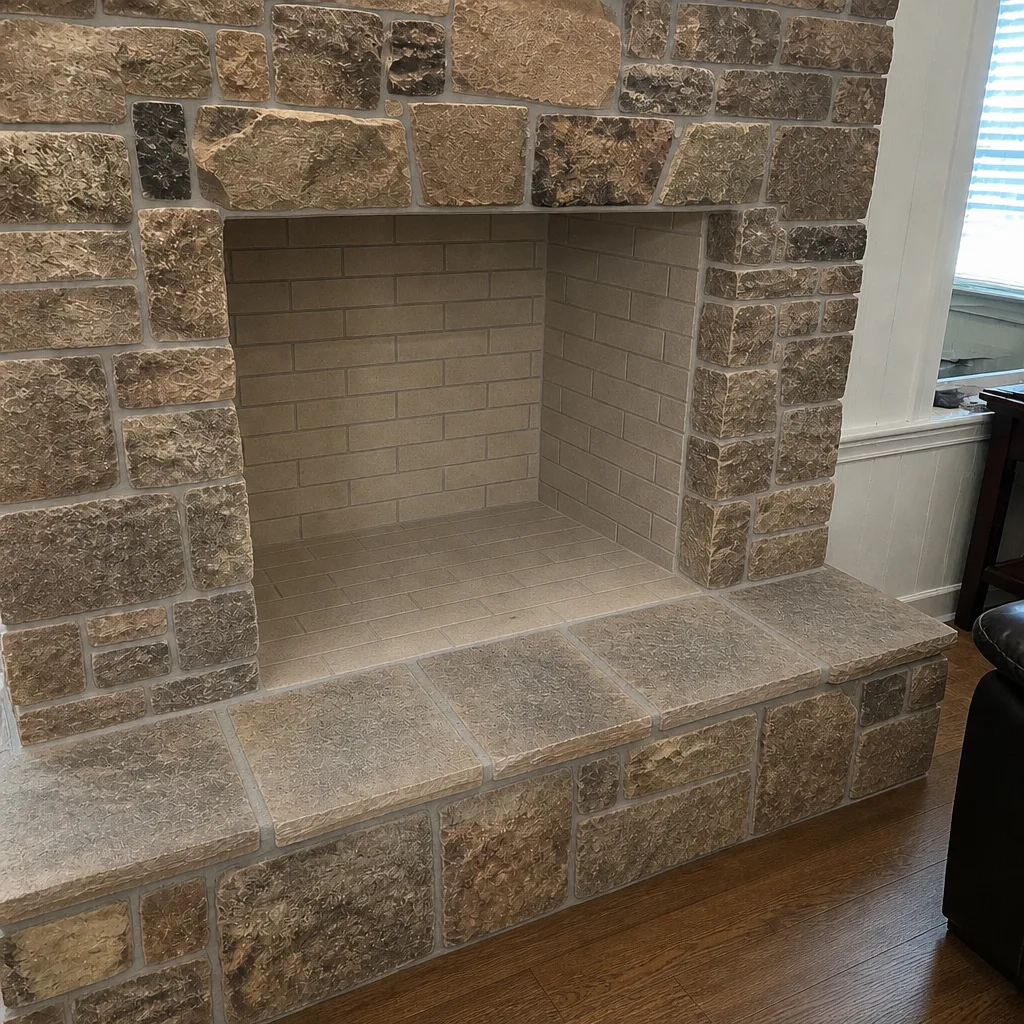
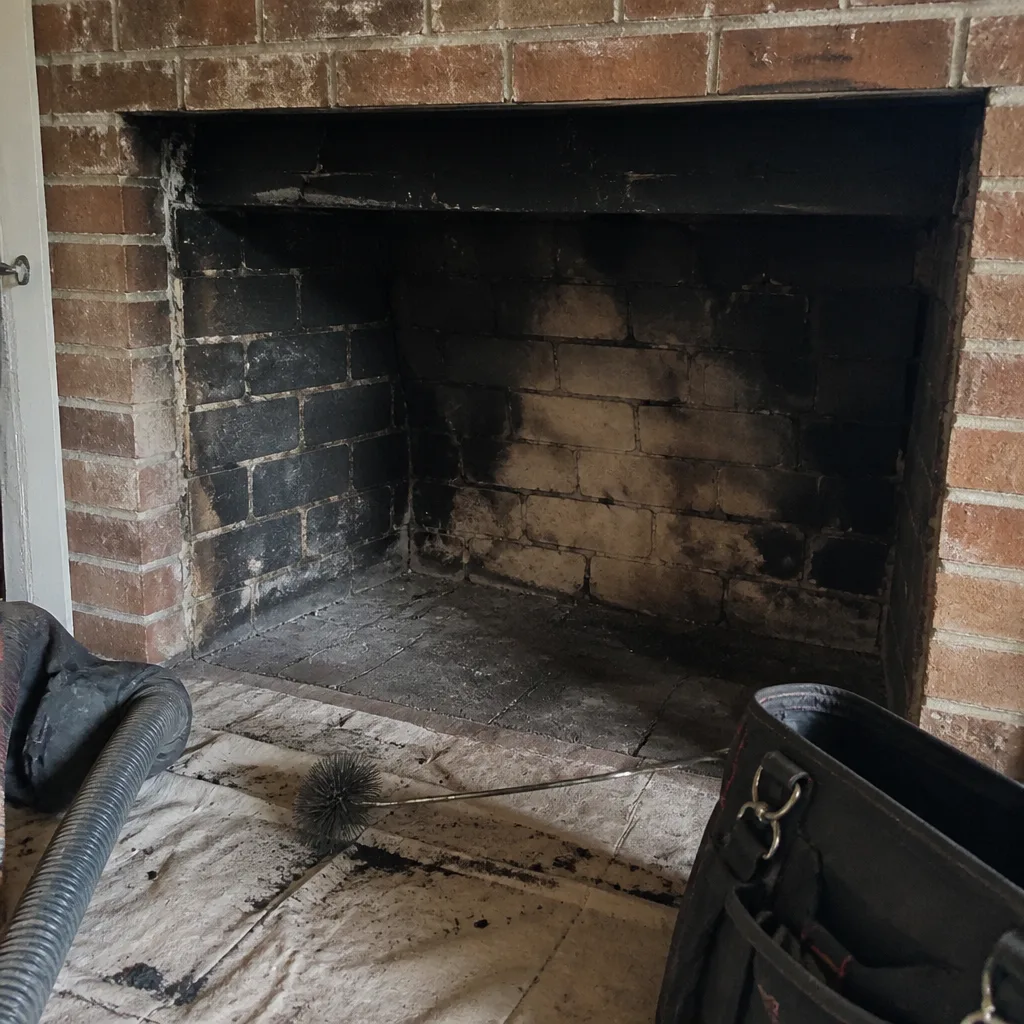
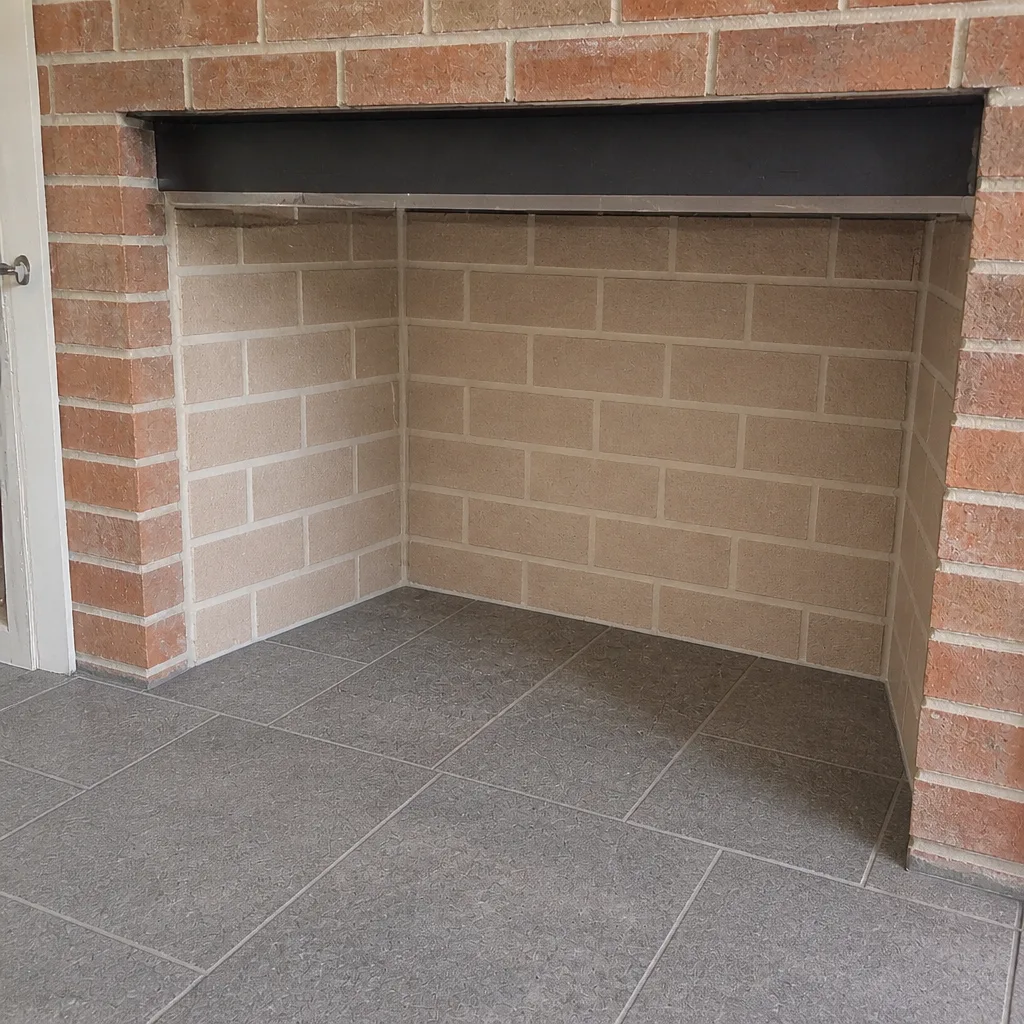
See the difference
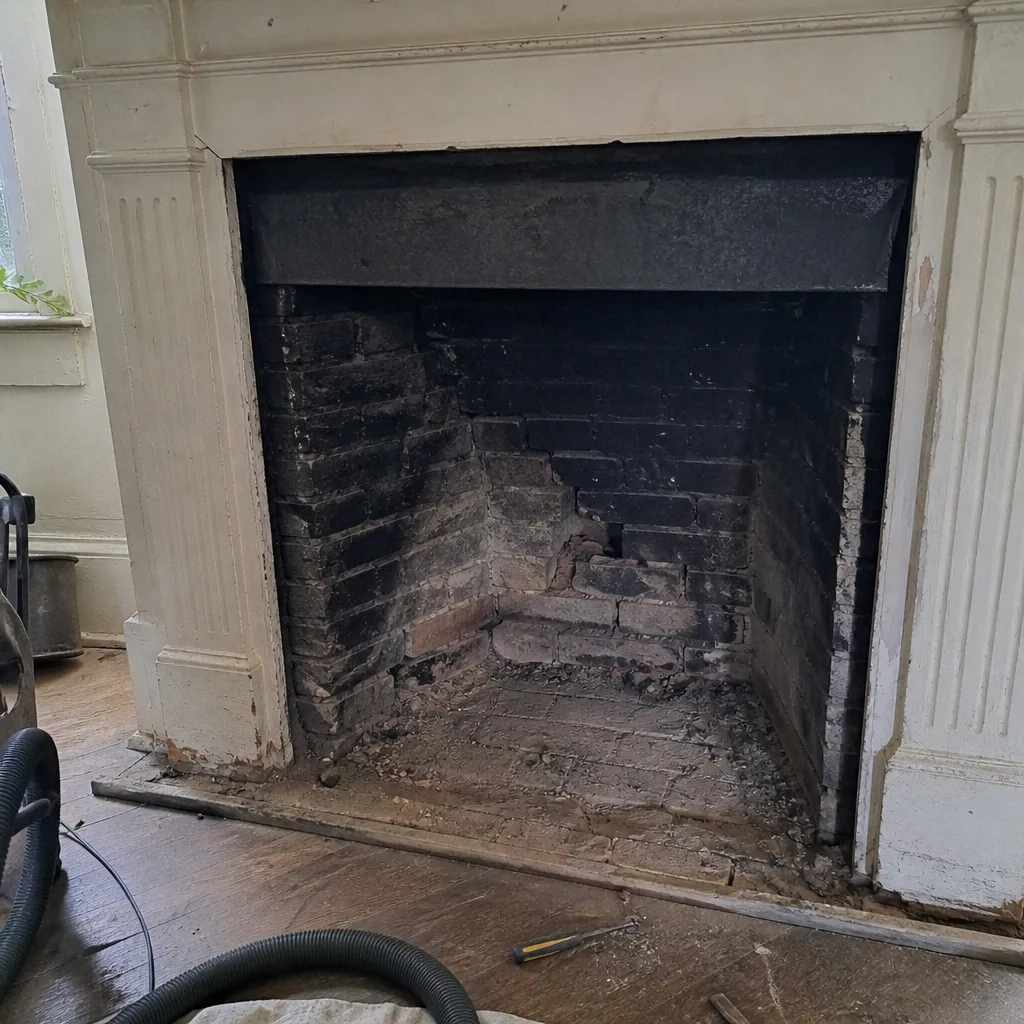 Before
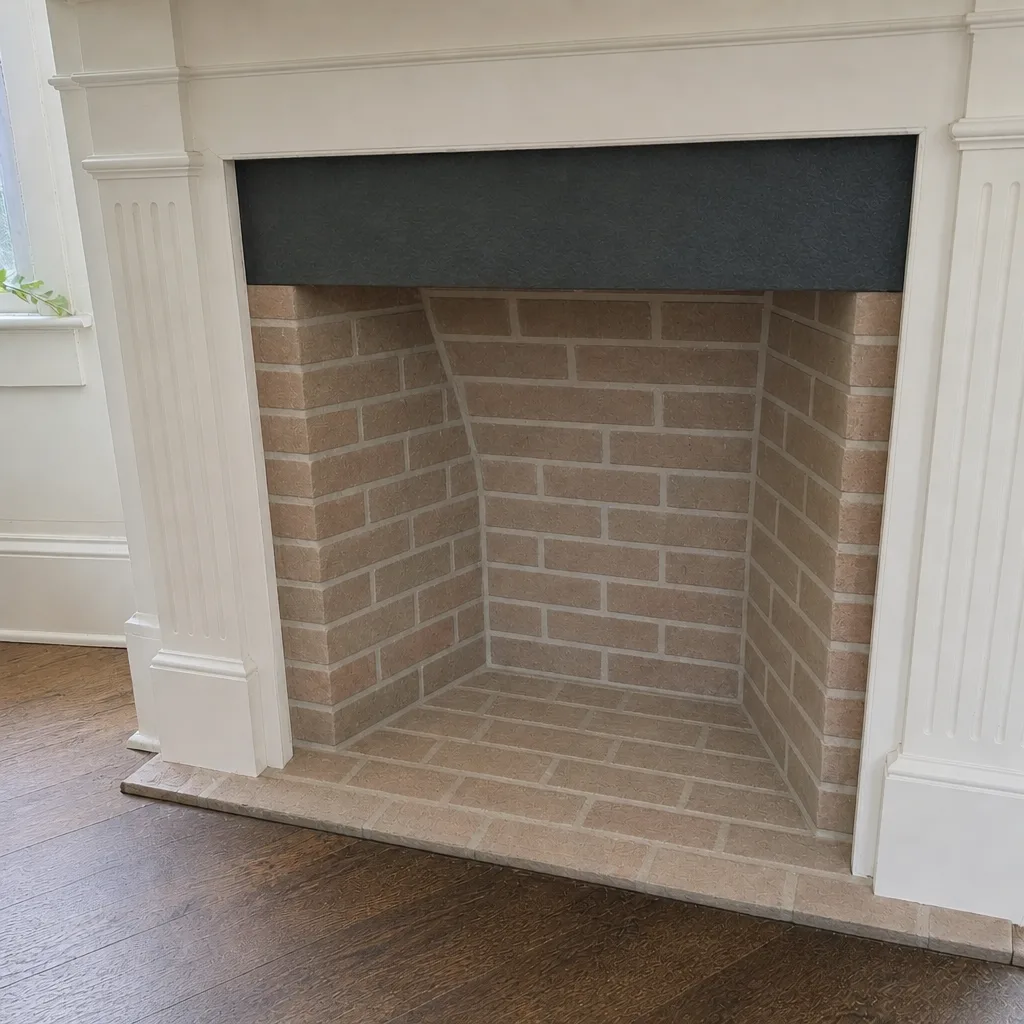 After
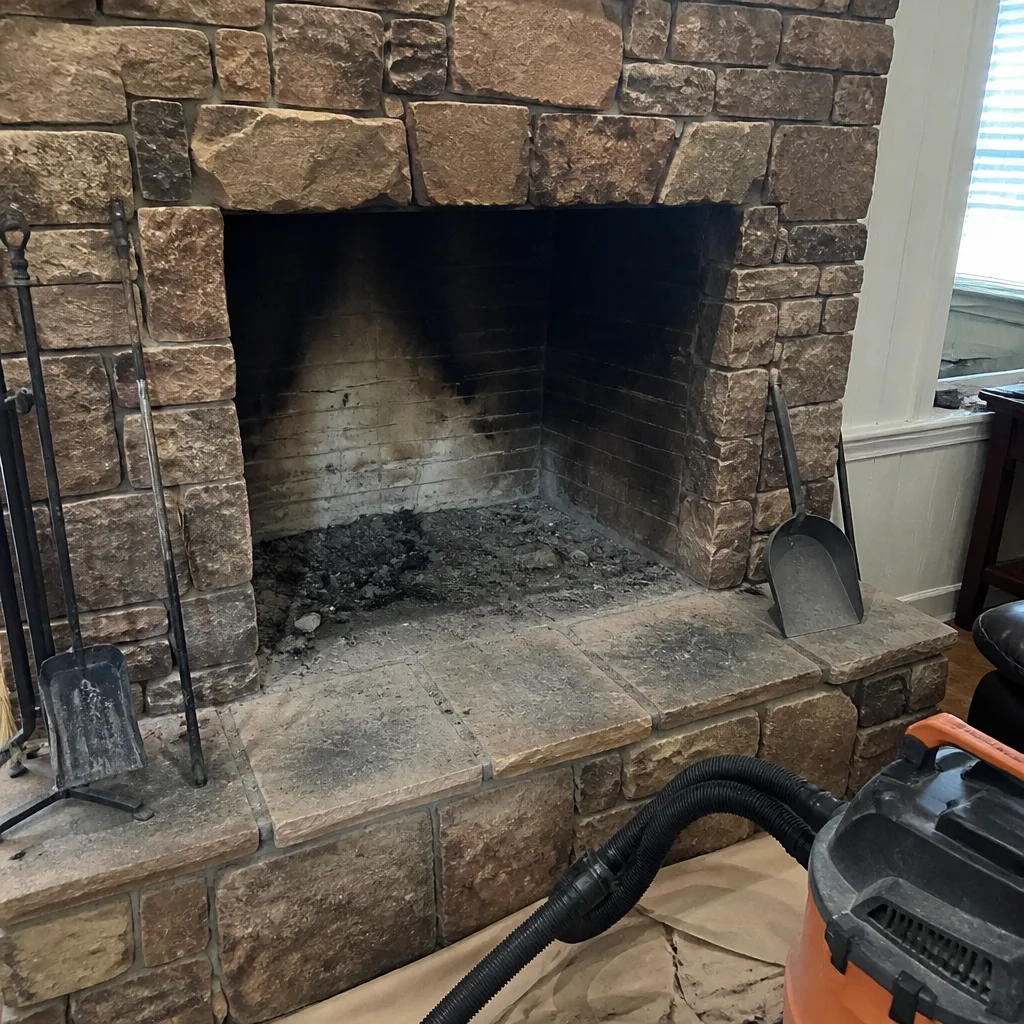 Before
 After
 Before
 After
When to Call a Professional
Some chimney issues can wait. Others shouldn’t. Call a professional when you notice crumbling mortar between bricks, a cap that’s loose or rusted through, water staining on the chimney or ceiling below it, or visible cracks in the flue from inside the firebox. Call if your fire smokes or smells wrong, or if it’s been a while since the last sweep and you burn wood regularly.
More directly: call when you don’t know what’s going on and you’d rather find out from someone who can inspect it. At Rutherford Chimney Sweep, we connect Columbia homeowners with local professionals who use specification-grade materials and can walk you through what they find. We can also put together a chimney sweep and a dryer vent cleaning in the same visit when both are due. Estimates are free.
Frequently Asked Questions
The brands worth knowing are the ones distributed through the chimney trade: HeatShield for flue resurfacing, DuraFlex for flexible liner systems, Olympia Chimney and Copperfield for liners and related components, Famco for caps and ventilation, and ChimneySaver for waterproofing. These brands are specified by professional installers because they publish installation standards and performance guidance. If a contractor can’t name a brand, that’s your cue to ask more questions.
Yes, more than most homeowners expect. Columbia’s humidity accelerates corrosion on galvanized steel, while 16-gauge stainless holds up far longer. The difference often comes down to a decade versus a few seasons. Call (844) 940-3007 for an estimate on a cap replacement.
They solve different problems. A mortar patch is a surface repair that can crack under heat and corrosive flue gases. HeatShield is a ceramic resurfacing system applied to the flue interior to restore a continuous liner surface, and it’s specified for deterioration that a patch can’t address. Ask your contractor which applies to your flue before agreeing to either. If you’re in Columbia, call (844) 940-3007 for a free estimate.
Ask for product names and specifications, and see how specific the answer is. A specification-minded contractor names the brand and material. A generalist gives you generic language. Also ask whether they measure before quoting. If they do, they’re working from a process rather than a guess.
Yes. Film-forming sealers can trap moisture inside masonry, and in Columbia’s humid climate that trapped moisture accelerates spalling and mortar decay. Vapor-permeable products like ChimneySaver let moisture escape while blocking liquid water. Ask what product a contractor intends to use and why.
That depends entirely on what’s inside your flue. A deteriorated clay tile liner is a real safety issue, but a liner that’s in good condition doesn’t need replacement. The right answer comes from an inspection, ideally with a camera, and a written report. If a contractor recommends a new liner without showing you what they found, ask to see it.
The Bottom Line
The materials a chimney company uses are the clearest signal of their technical standards. When you can name the brand behind your cap, your liner, and your waterproofing, you’re working with someone who treats chimney components as engineered products. Rutherford Chimney Sweep connects homeowners in Columbia with local professionals who source from brands like HeatShield, DuraFlex, Olympia Chimney, Famco, and Copperfield. Our technicians have up to 15 years of experience, and we cover chimney sweep, chimney repair, and dryer vent cleaning in one call. Choosing well starts with asking what’s behind the estimate.
When you’re ready to book a sweep, get an inspection, or ask about a specific product, call (844) 940-3007 for a free estimate. We answer 24/7. Fast dispatch from 7am to 7pm, Sunday through Friday. If you’d rather start with a broader look at what we do, see Rutherford Chimney Sweep and our coverage of Columbia.
Written by the team at Rutherford Chimney Sweep.